 Confidential by federal law
 Any gender
 Your language







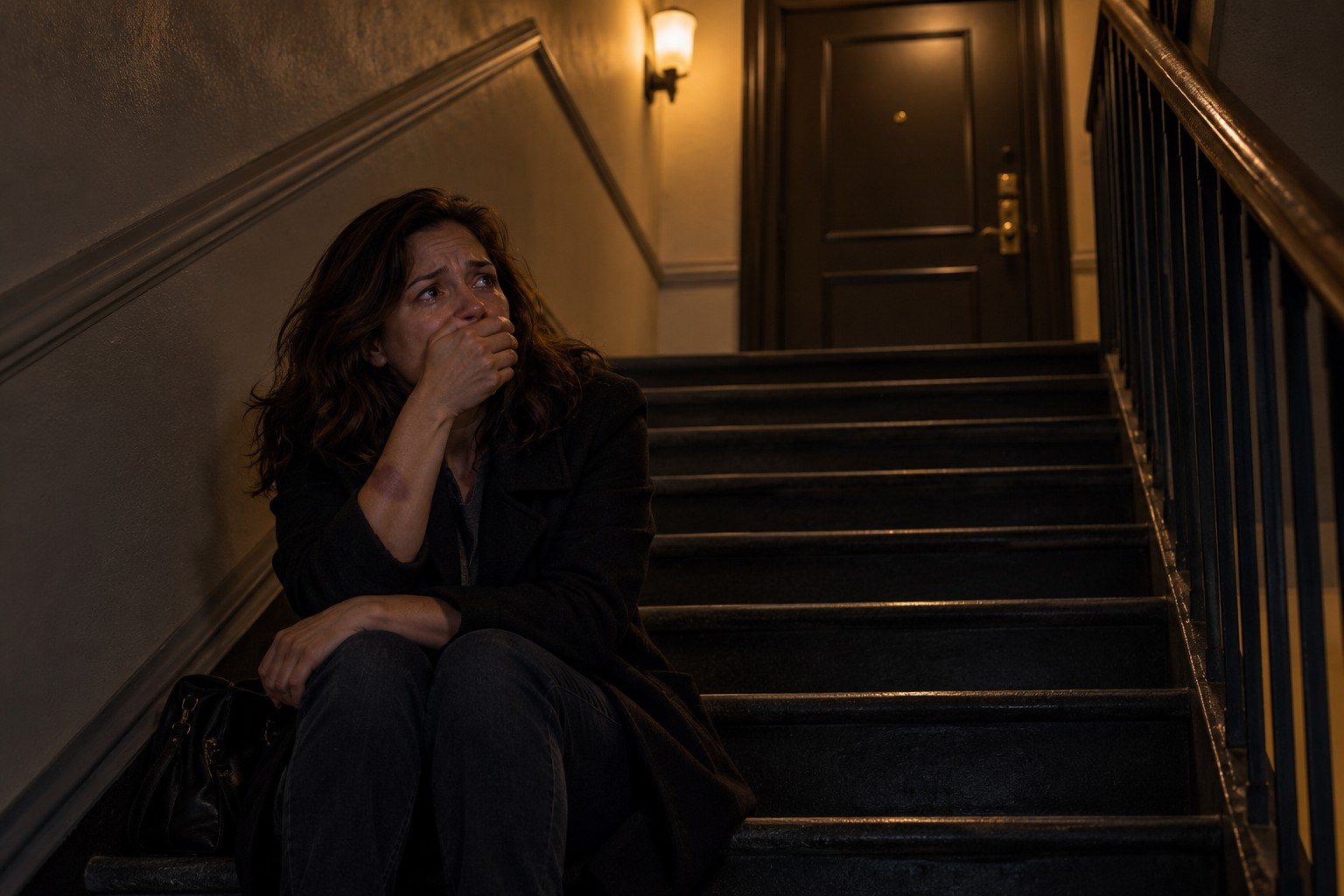
Physical
Hitting, shoving, or threatening to
Any act or threatened act of violence, including holding you so you cannot leave.
8 C.F.R. 204.2(c)(1)(vi)
If a U.S. citizen or green card holder spouse, parent or adult son or daughter abuses you, federal law lets you petition for yourself. They do not sign. They are not told. And the abuse does not have to leave a mark to count.
Immediate relative self-petition. No wait for a visa number.
Read →Second preference self-petition, on the Visa Bulletin.
Read →Abused children and parents can file too.
Read →VAWA cancellation and the VAWA motion to reopen.
Read →Not a call center and not a form letter. When you ask for a call back, one of these attorneys calls you, at the number and the time you chose. Usher Law Group, P.C., Brooklyn, since 2013.



The Violence Against Women Act lets abused family members of citizens and permanent residents file Form I-360 for themselves. Despite the name, it protects people of any gender.
Current and former spouses, intended spouses, abused children, and parents of adult citizens. INA 204(a)(1).
Who qualifies →Threats, isolation, control of money and documents. Extreme cruelty is part of the law.
What counts →USCIS must consider any credible evidence. Your own account is the center of the case.
Building evidence →Once approved, adjustment with rules built for survivors, even after entry without inspection.
The green card →An approved self-petitioner is eligible for employment authorization. INA 204(a)(1)(K).
Working →The I-751 abuse waiver, the U visa, and protection in immigration court, compared.
Other paths →Battery or extreme cruelty covers violence, and also threats, isolation, and control of your money, phone and papers, when it is used to gain or keep power over you. It happens to women and to men.
Any act or threatened act of violence, including holding you so you cannot leave.
8 C.F.R. 204.2(c)(1)(vi)
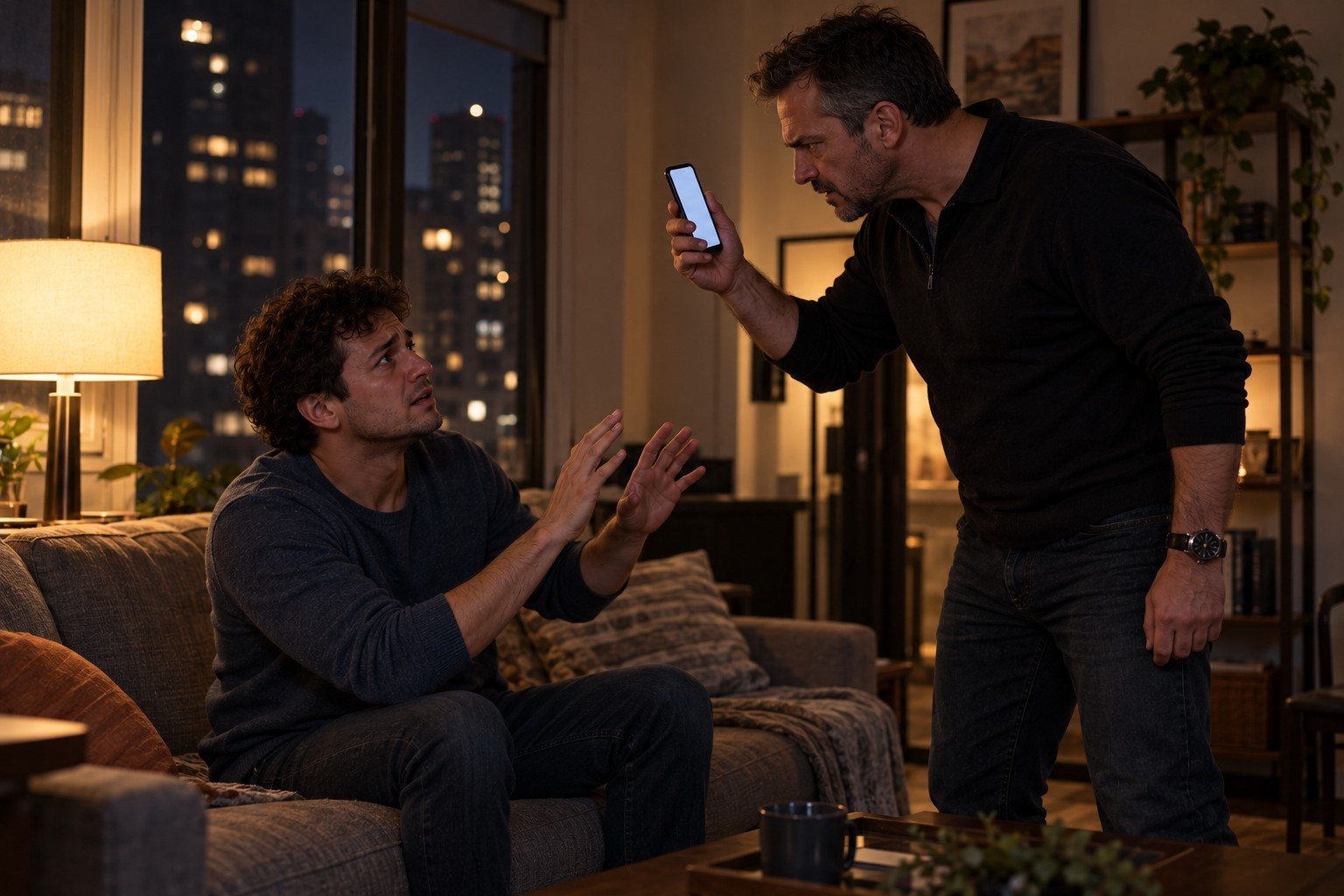
Using your status as a weapon to keep you afraid and obedient can be part of a pattern of control.
3 USCIS-PM D.2(E)(1)
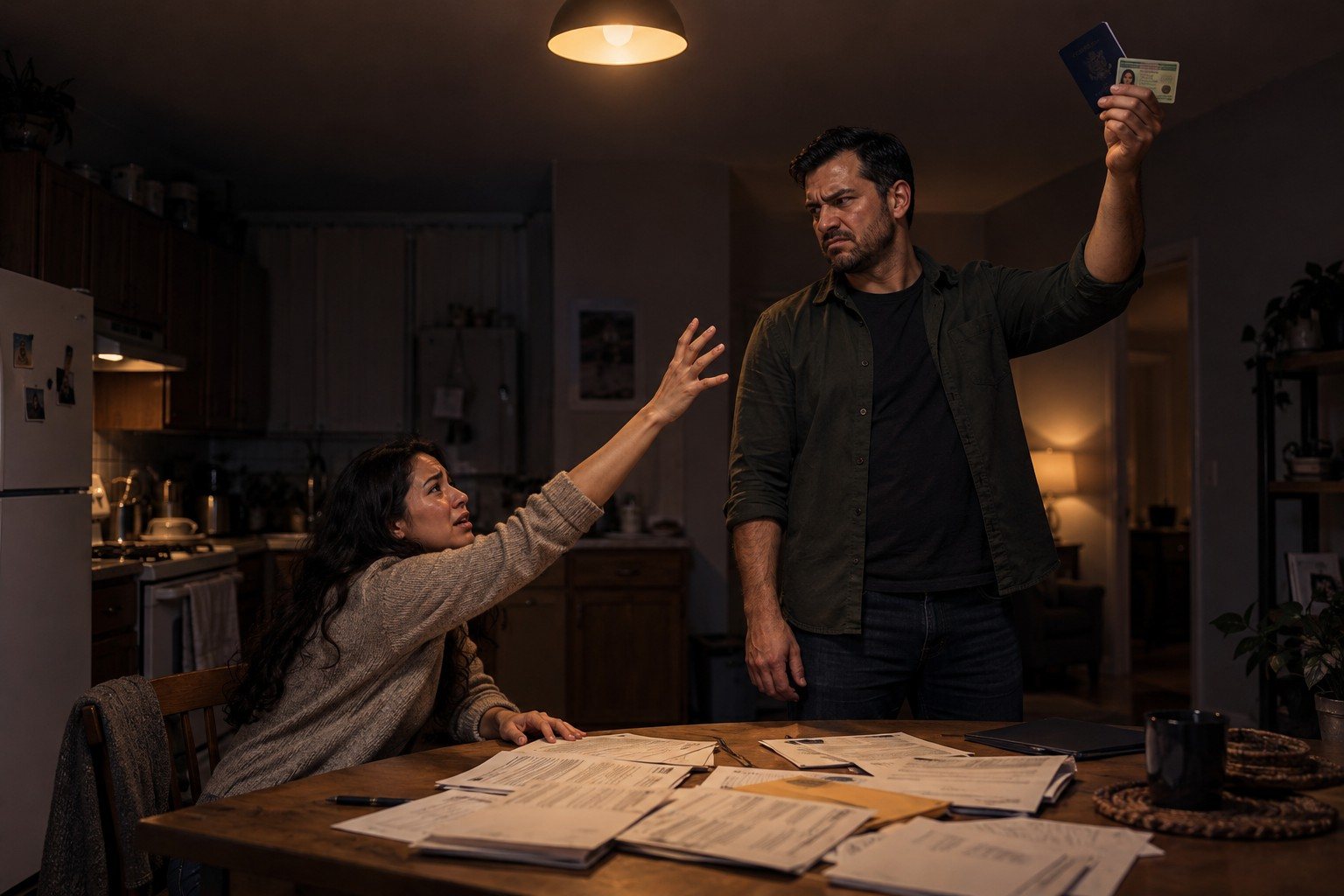
Keeping your papers from you is a common way abusers control a spouse who depends on them for status.
3 USCIS-PM D.2(E)(1)
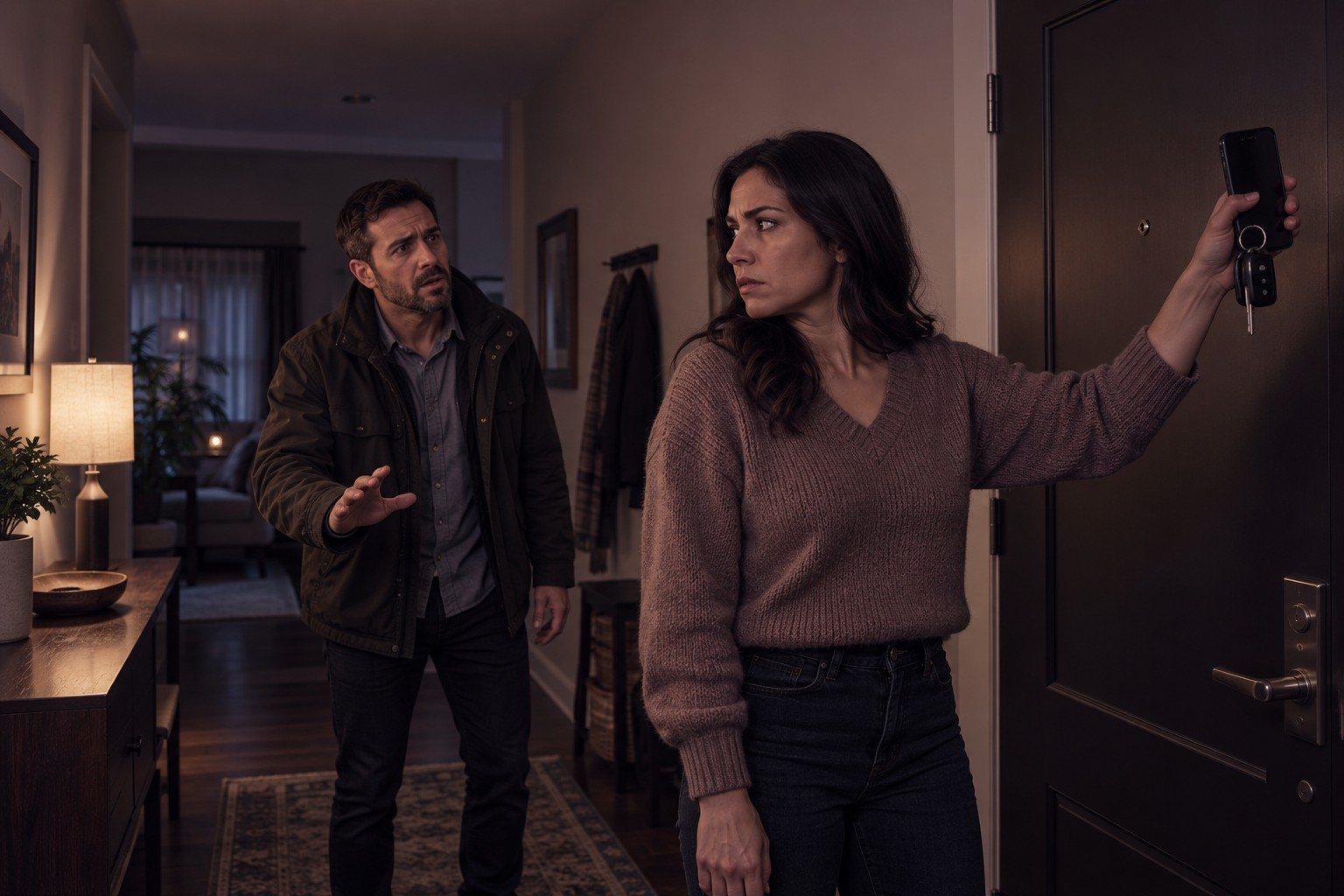
Taking your keys or phone, keeping you from family or friends. Forced confinement or isolation is on the Policy Manual’s list.
3 USCIS-PM D.2(E)(1)
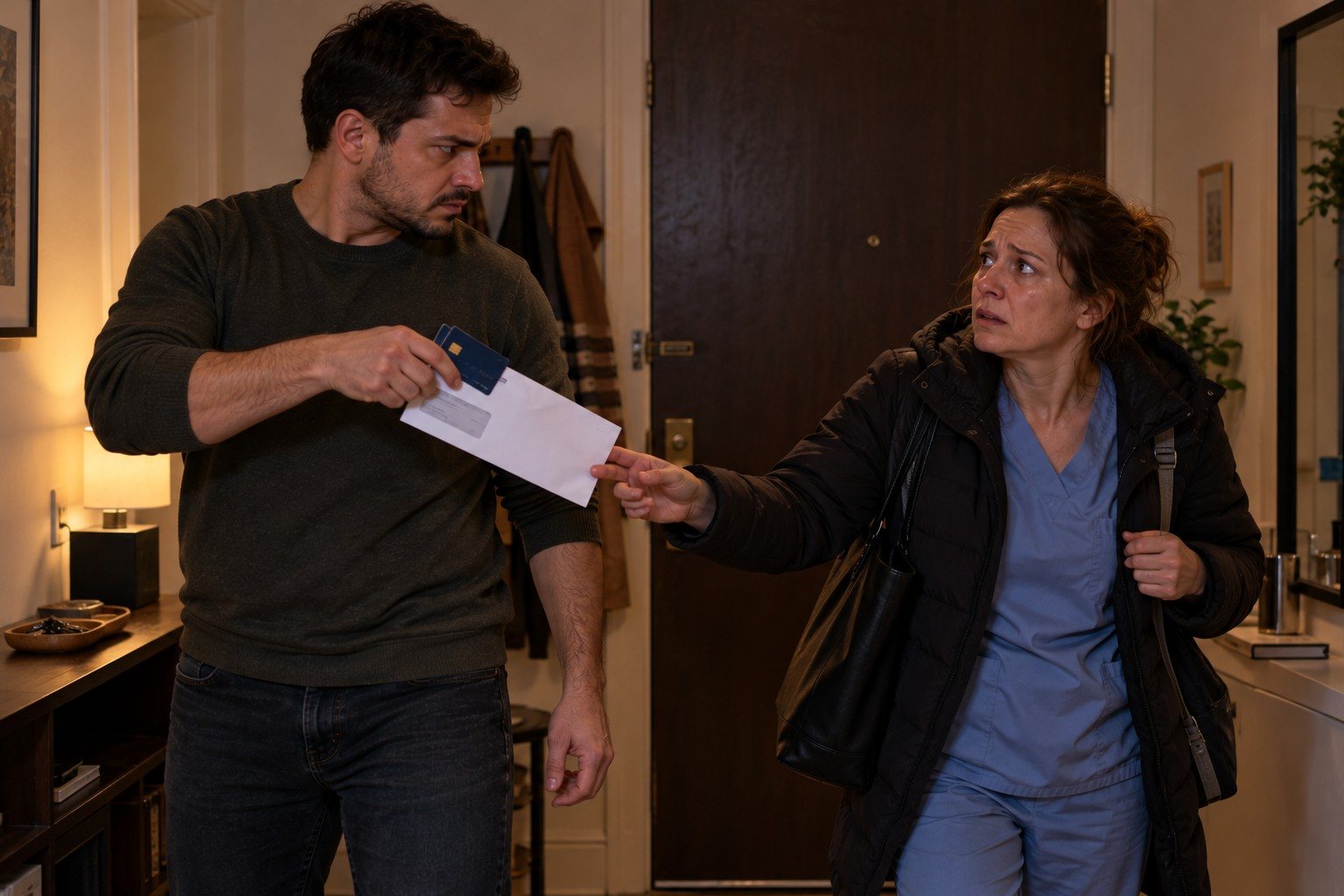
Taking your pay, your cards, or keeping you from working, so leaving feels impossible.
3 USCIS-PM D.2(E)(1)
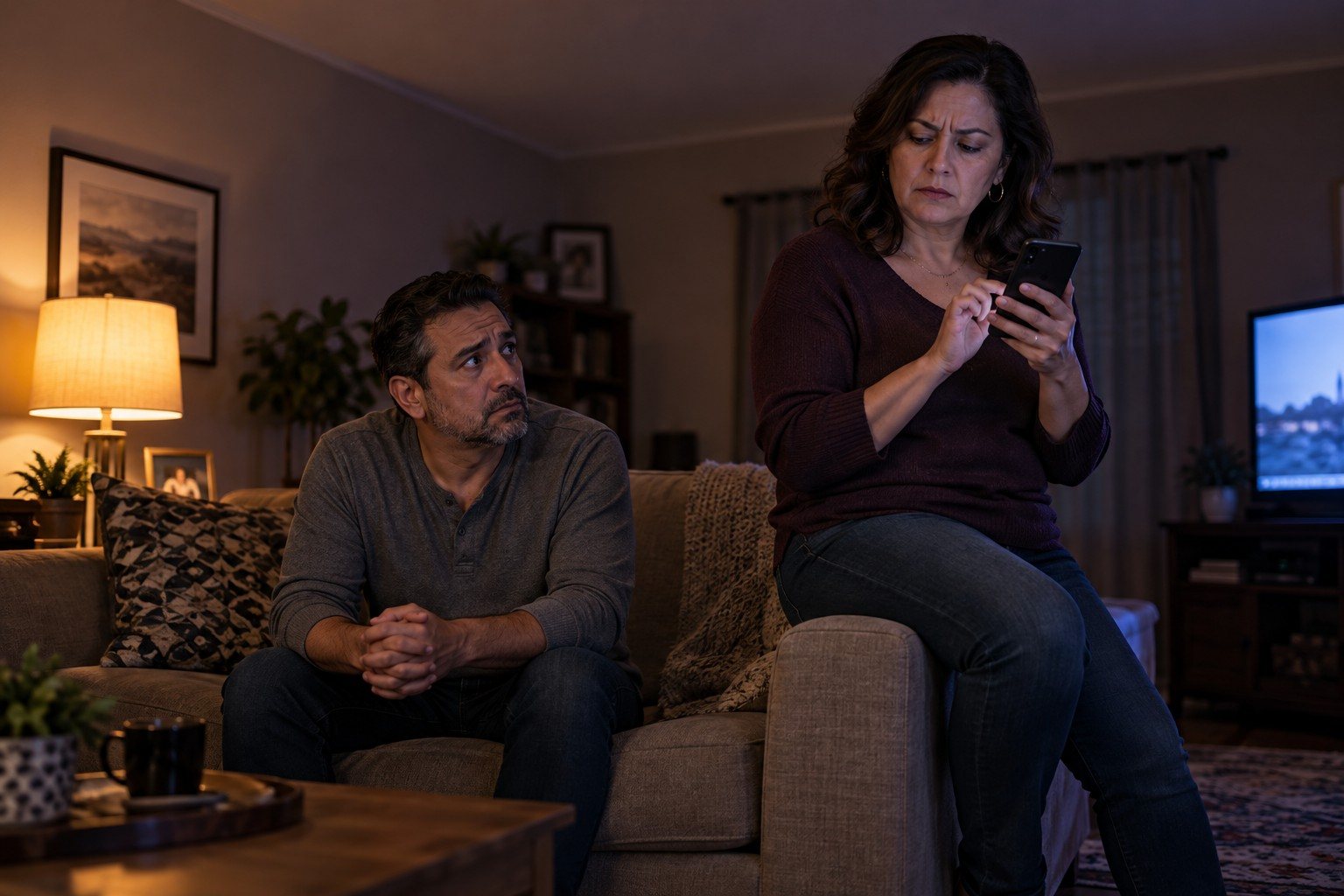
Checking every message, tracking where you go, demanding passwords: surveillance used for control.
3 USCIS-PM D.2(E)(1)
Threats about immigration status are one of the most common ways abusers keep control.
A self-petition needs no signature, cooperation or knowledge from the abuser. With narrow exceptions, officials may not find you deportable based only on information from the abuser. 8 U.S.C. 1367(a)(1).
If the abuser filed for you and withdrew it, or never filed, you can file your own. An earlier petition’s priority date can sometimes carry over. 8 C.F.R. 204.2(h)(2).
No police report, arrest or conviction is needed. USCIS must consider any credible evidence, INA 204(a)(1)(J). Careful declarations and people around you count.
The order things usually happen in a self-petition case. Every case is different, and we tell you honestly where yours stands.
You choose the number and the time. We listen once, then tell you which path fits.
Your declaration, then corroboration from records and people around you, gathered safely. What good evidence looks like.
We file the self-petition with USCIS. The abuser is not notified. No government filing fee, as of October 2026.
After approval, a work permit and the green card application, with the VAWA fee exemptions.
You self-petition as an immediate relative. No waiting line for a visa number.
Spouse of a citizen → 02You self-petition in the second preference. Your place in line follows the Visa Bulletin.
Spouse of a resident → 03Two-year windows apply after a divorce connected to the abuse, a death, or a loss of status.
Former spouses → 04Unmarried children under 21 can file, and in some cases up to age 25.
Abused children → 05A parent abused by a U.S. citizen son or daughter who is 21 or older can file.
Abused parents → 06VAWA may not fit, but the U visa covers domestic violence by anyone.
The U visa →“A toxic marriage, my son was taken away from me and I was a money cow. He assured me he will help me out of my situation … I got my green card approved few hours after the interview.”
Five stars on Google and Avvo, quoted in part as written. Read it in full. 4.8 on Google from 191 reviews as of October 27, 2026. Prior results do not guarantee a similar outcome.
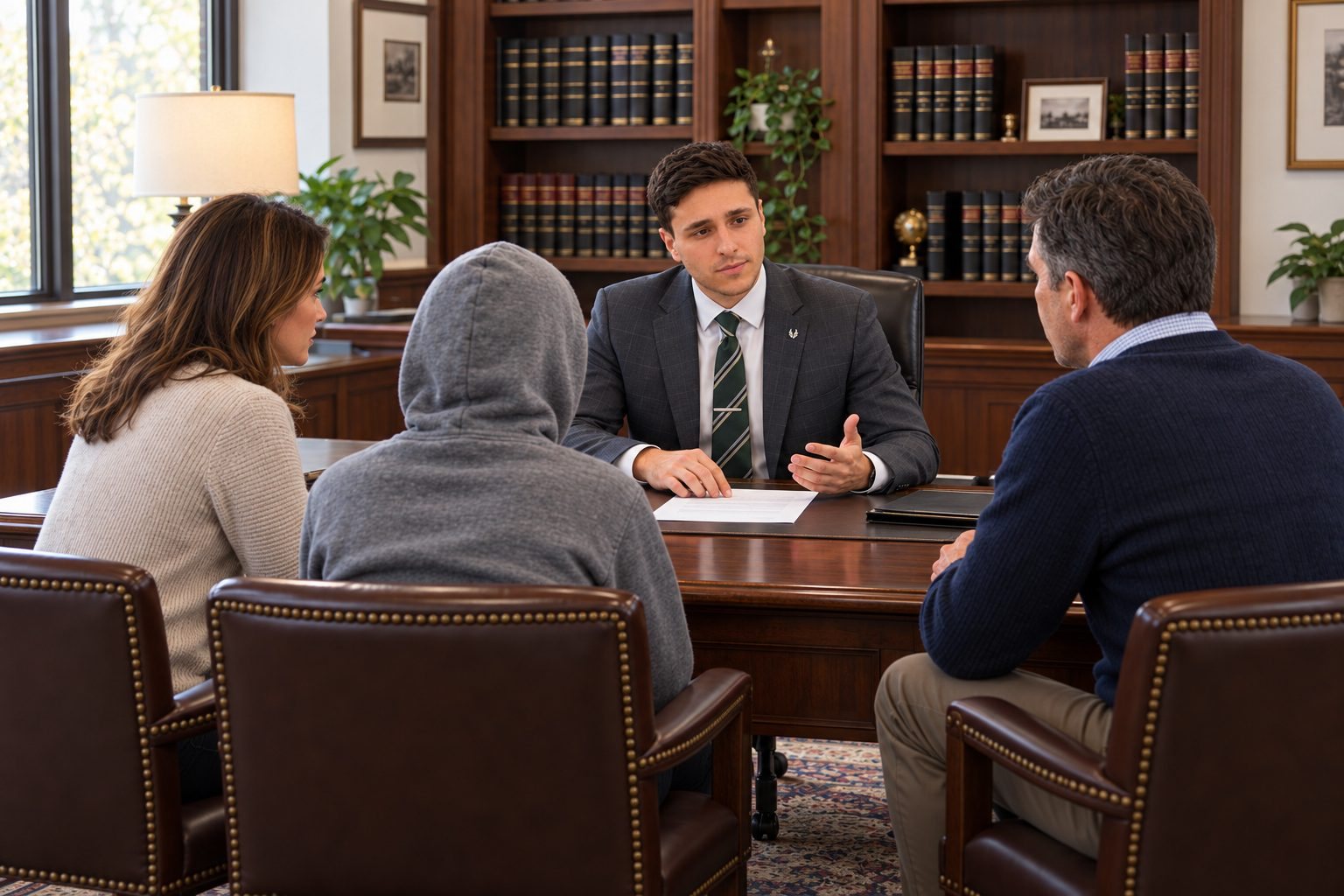
You will not be asked to prove yourself to us. You tell an attorney what happened, once, in your language, and we build the evidence USCIS needs around it.
In-depth guides and short, dated posts on what changed. Every rule cites its source.
 What a VAWA case costs: our legal fee and the government filing feesOur flat legal fee for a VAWA I-360 self-petition, the government filing fees (the I-360 has none), the VAWA fee exemptions, and what is quoted separately.Read →
 No police report, no arrest, no conviction: what VAWA really requiresNo conviction, arrest or police report is needed for a VAWA self-petition. What evidence works instead, how the U visa differs, and what to do if you were arrested.Read →
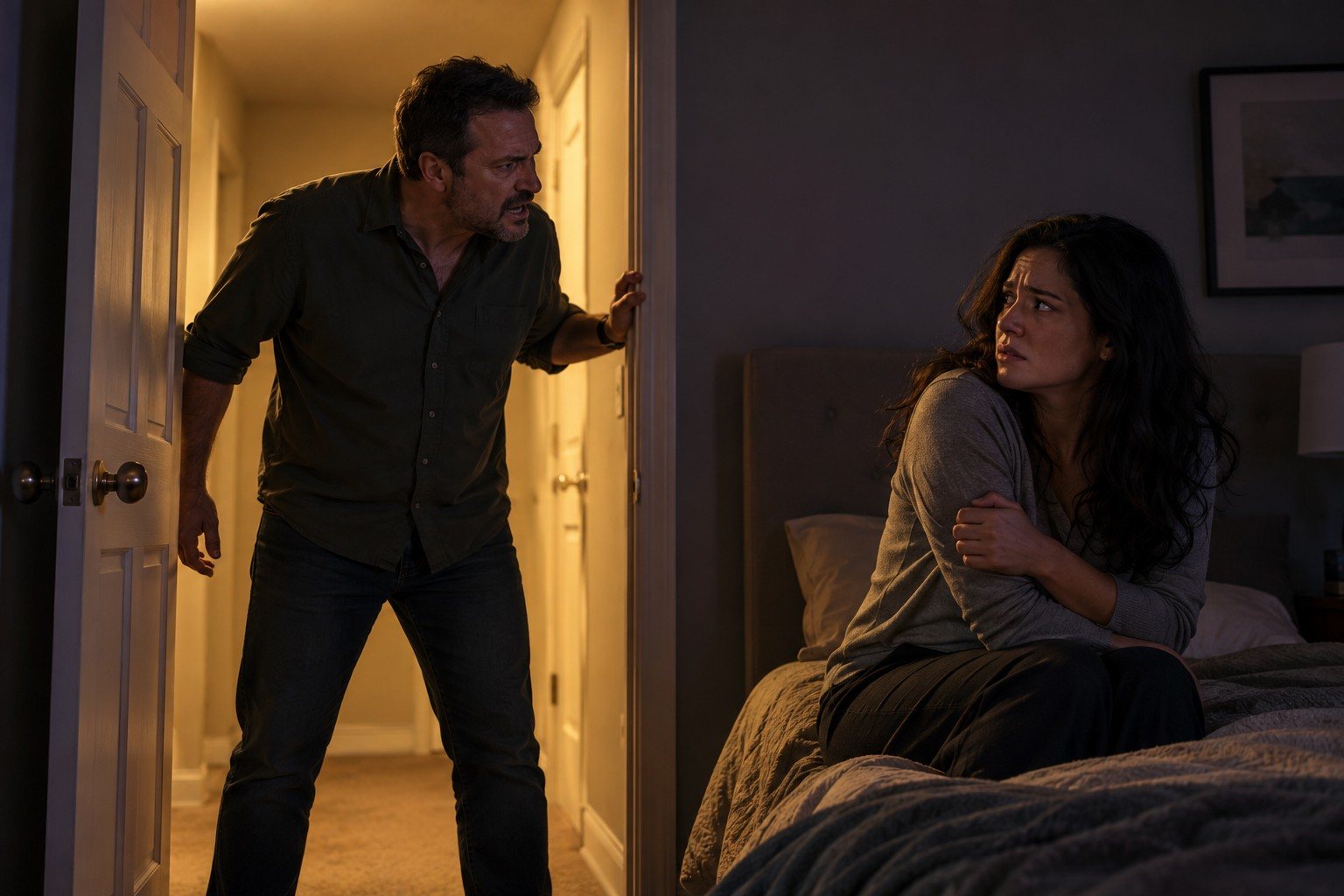 Filing a VAWA self-petition from outside the United StatesThe three situations that let a survivor file from outside the United States, how USCIS reads them, and what happens after approval.Read →
 Every kind of abuse VAWA covers, one by onePhysical, sexual, emotional, immigration, financial and technology abuse, threats about the children and patterns of control: what each looks like and the law behind it.Read →Filing in private: VAWA confidentiality, and filing while you still live with the abuserFiling without the abuser's knowledge, while still married or living together: what 8 U.S.C. 1367 protects, where it stops, and how to plan mail, phone and devices.Read →
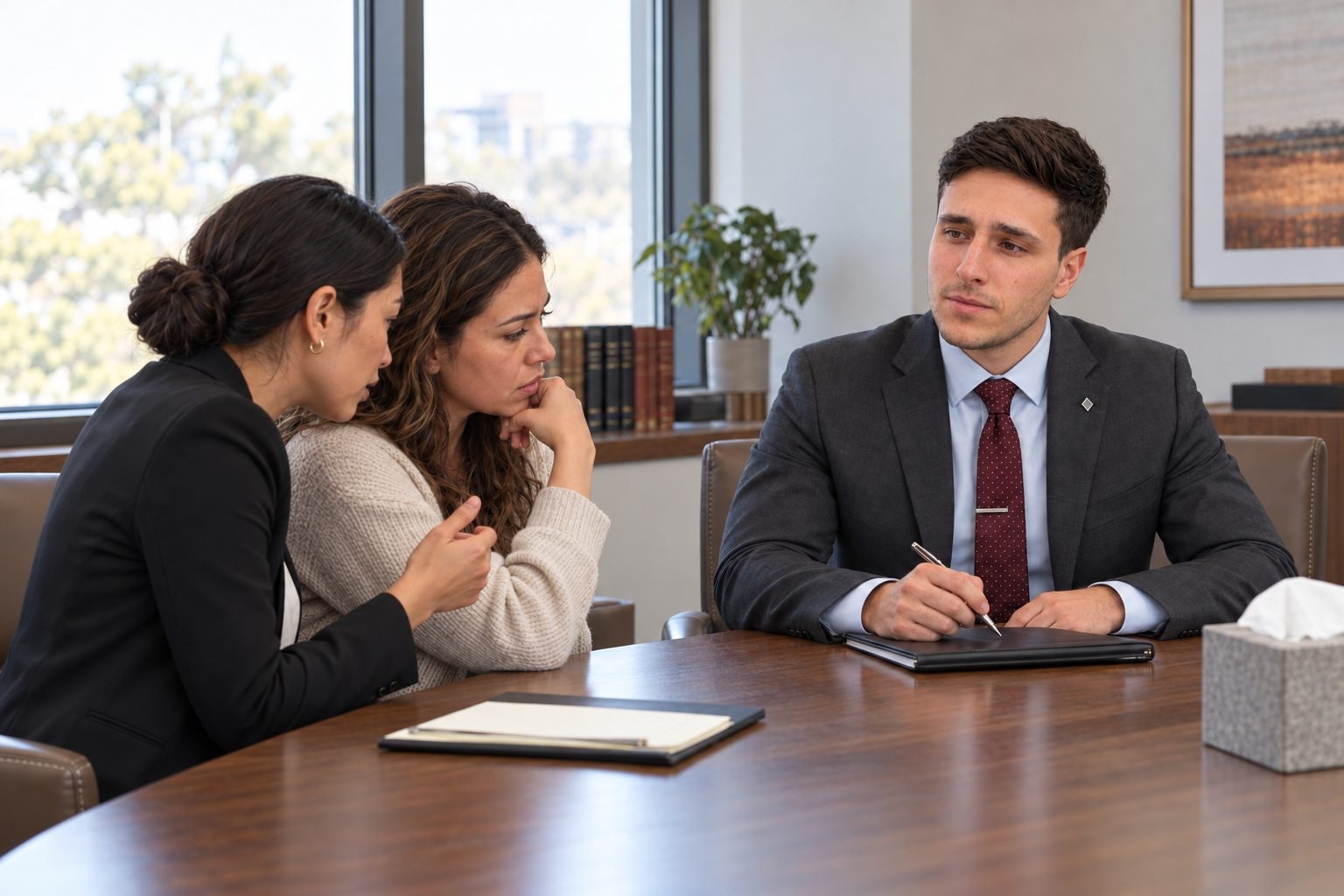 Abused parents of U.S. citizens: the VAWA self-petition, at home and abroadThe VAWA self-petition for parents abused by an adult U.S. citizen son or daughter: the elements, the limits, and filing from outside the United States.Read →
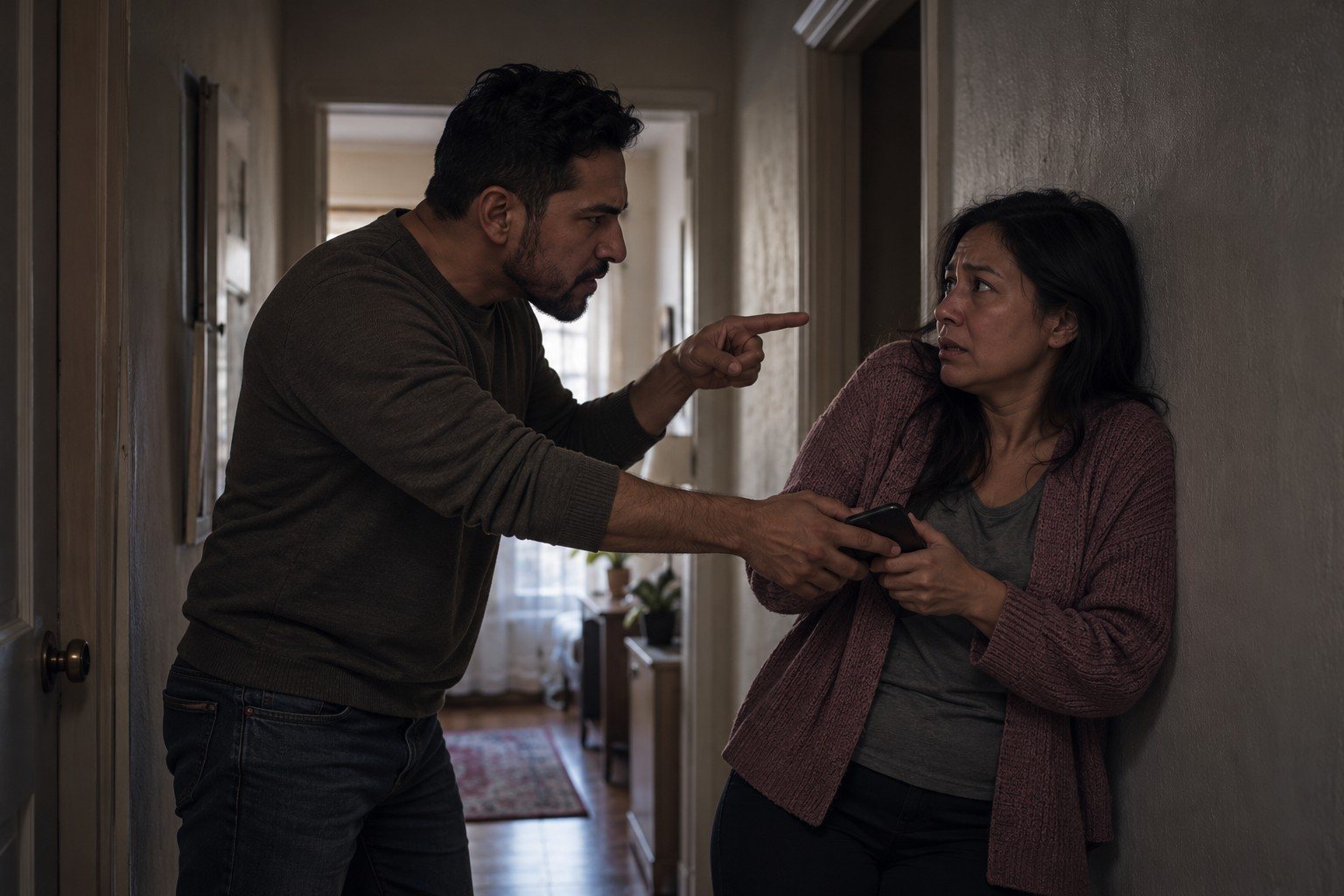
The red Leave site button at the top of every page closes this site at once and opens a weather page. Pressing Esc twice does the same. It cannot erase your history, so read how to cover your tracks if someone checks your phone or computer.
Divorce and custody, a criminal charge, detention, or an ordinary family petition each have their own site, built the same way and run by the same attorneys.
Usher Law Group, P.C. Family law, divorce and custody, criminal defense, and every other practice area.
Visit →visa4love.comFamily immigrationThe ordinary marriage and family petition, when there is no abuse and both spouses file together.
Visit →immigrationtrial.comRemoval defenseDeportation defense in immigration court: every defense and every form of relief the judge can grant.
Visit →asylumadvocate.comAsylumAsylum, withholding of removal and protection under the Convention Against Torture.
Visit →icebail.comDetention and bondBond hearings and federal habeas corpus for a person held in ICE custody.
Visit →myimmigrationplea.comCriminal pleasWhat a criminal charge or plea does to immigration status, before it is entered and after.
Visit →uscisdelay.comUSCIS delayA writ of mandamus in federal court when USCIS sits on a petition for too long.
Visit →immigrationlawinsider.comImmigration blogThe firm’s blog on asylum, immigration court and changes in immigration policy.
Visit →singleasap.comUncontested divorceFlat-fee uncontested divorce in New York, New Jersey and Florida.
Visit →Talk to us privatelyThis siteTell us a safe number and a safe time. An attorney calls you back. Free and confidential.
Ask for a call back →Yes. A VAWA self-petition is filed by you, for you. The abuser does not sign anything, is not asked to take part, and is not told by the government. Federal law, 8 U.S.C. 1367, forbids immigration officials from disclosing information about your case to the abuser, and, with narrow exceptions, from finding you deportable or inadmissible based only on what the abuser tells them.
Possibly. The law covers battery or extreme cruelty. Under 8 C.F.R. 204.2(c)(1)(vi), extreme cruelty includes threats, psychological abuse, forced isolation and acts that are part of an overall pattern of violence, even when no single act looks violent on its own. Threats to have you deported and control of your documents are common parts of that pattern.
No. The law is written for any spouse, child or parent, of any gender. Husbands, wives and same-sex spouses file under the same rules.
Not necessarily. A former spouse can still file within two years after the marriage ended if the end of the marriage was connected to the abuse. Other timing rules apply when the abuser died or lost their status. Ask before you assume the door is closed.
Many people do not. USCIS must consider any credible evidence under INA 204(a)(1)(J). A detailed declaration in your own words, supported by whatever exists, such as messages, counseling notes, or statements from friends, neighbors or clergy, can carry a case.
Yes. An immigration judge can grant VAWA cancellation of removal, and a special VAWA motion to reopen exists for people with old removal orders. Each has its own requirements and deadlines, so talk to us before your next hearing.
Tell us a safe number or email and a safe time, and whether we can leave a message. We never contact the person who hurt you, and we never call from a number or send anything that names this site. The first conversation is free and confidential, in English, Russian, Spanish or Uzbek, with a live interpreter for any other language.