
Evidence, and what makes it good
Evidence is anything that helps show USCIS that what you say is more likely true than not. In a VAWA self-petition USCIS must consider any credible evidence, and no single document is required. What wins a case is not a stack of paper. It is specific, consistent proof of each thing the law asks for.
Current as of October 2026. We re-check this page every quarter and after any change in the law.

Most immigration cases ask for specific documents. A VAWA self-petition is different on purpose. Under INA 204(a)(1)(J) and 8 C.F.R. 204.2(c)(2)(i), USCIS must consider any credible evidence, because abusers so often control the papers an ordinary case depends on. Your own sworn statement counts. So do statements from people who know you, records you can request yourself, messages and photos.
But USCIS decides how much each piece weighs. Each element is proved by a preponderance of the evidence, "more likely than not," and detailed, specific, corroborated evidence carries more weight (3 USCIS-PM D.2(A), D.5(B), as of October 2026). This page explains what you have to prove, what you can use, and how to tell strong evidence from weak.
Gather only what you can reach safely. No document is worth your safety, and the pile should not be kept at home. Tell us what exists, and we work out a safer way to get it or prove it.

Six things, one record
For an abused spouse, the elements come from INA 204(a)(1)(A)(iii) and (B)(ii) and 8 C.F.R. 204.2(c)(1)(i). Children and parents have their own versions; see abused child and abused parent.
The abuser's status
That the abuser is a U.S. citizen or green card holder. A passport, birth or naturalization certificate, or green card copy. If you have none, details you know (date and place of birth, an old petition) let USCIS search its records.
The relationship
A marriage certificate, and divorce or death records for any earlier marriage of either of you. A certified copy can usually be requested in your own name.

A real marriage
That you married in good faith, not for papers. Joint lease, accounts, insurance or tax returns; children's birth certificates; photos over time; letters from people who knew you as a couple.

You lived together
That you lived with the abuser during the marriage. There is no minimum period. Lease, mail, IDs, school or medical records at one address, or detailed statements from a landlord, neighbor or family.

The abuse
Battery or extreme cruelty during the marriage, including abuse that never left a mark. Your declaration first, then whatever records, messages, photos and witnesses exist. See what counts.
Good moral character
Your own affidavit, and police clearances for each place you lived six months or more in the three years before filing (8 C.F.R. 204.2(c)(2)(v)). A child under 14 is presumed to have it.
Six kinds of evidence survivors use
Most strong cases use several of these together. You do not need all of them.
Your declaration
Your own sworn account, in your words. In many cases it is the center of the record, and every case has one. We draft it with you. See writing your declaration.

People who saw it
Signed letters from friends, relatives, coworkers, neighbors or clergy who saw the abuse or its effects on you, or whom you told afterward, even much later.

Professionals
A letter from a counselor, therapist, advocate, doctor or social worker. You can start seeing a counselor now; a letter can describe what they observe.
Official records
Police reports and 911 records, court files, protective orders, medical records, school records, and letters from a shelter or advocacy program. Helpful if they exist. Never required.

Messages
Texts, emails, voicemails and social media. If they are gone, or unsafe to keep, your description of what was said is evidence too.
Photos and records in your name
Photos of injuries or damage, with who took them, when and where. Your own phone, bank or delivery records showing an address or messages.
Weaker or stronger: the difference

The same fact can be proved well or badly. These are the four things that give evidence weight, with examples of how each one looks.
Detail
Dates or close anchors, places, what was said, who was there.
“The abuse happened often.”
Three specific events, each with when it happened, where, what was said, and who was there or saw you afterward.
Consistency
Your declaration, your forms and your witnesses tell the same story.
A date or address on the form that does not match the declaration, with no explanation.
Everything lines up. Small differences in memory are normal; where something differs, the record says why.
A source
Every statement from another person shows who they are and how they know.
A letter that says only that the writer heard there were problems at home.
A signed letter saying who the writer is, how they know you, and what they saw or heard for themselves, and when.
Honesty about gaps
A missing document is explained, not ignored.
No lease and no word about why. An unexplained gap invites a request for evidence.
“The lease was in my spouse's name and I was not allowed to see it,” plus what you offer instead. An explained gap is part of the record.
Three more rules that matter

- Organized beats more. Volume does not replace relevance. We build an index that ties every exhibit to the element it supports.
- Translations. Every foreign-language document needs a full English translation, certified by the translator as complete and accurate, with the translator's certification of competence (8 C.F.R. 103.2(b)(3)).
- Expert evaluations need a real expert. A psychological evaluation carries weight only if a qualified professional who treated or thoroughly evaluated you prepared it with established tools, with their CV or certification attached (3 USCIS-PM D.2(E)(2)).
USCIS rewrote its VAWA policy on December 22, 2025 (Policy Alert PA-2025-33). It requires that you lived with the abuser during the qualifying relationship, and primary evidence of a good-faith marriage where it is available, for pending and new filings. USCIS still must consider any credible evidence.
The detailed guides
Evidence checklist
Element by element, with what to use when the usual paper is out of reach.
Open the checklist →Any credible evidence
The legal standard, what it does and what it does not do.
Read →When you have no documents
Building the record when the abuser kept the papers.
Read →Your declaration
How to tell what happened so it carries weight.
Read →Common questions
What is the best evidence in a VAWA case?
There is no single best document. The strongest record usually combines your own detailed declaration with at least one other kind of proof for each element: a record, a message, a photo, or a statement from someone who saw what happened. Under INA 204(a)(1)(J) and 8 C.F.R. 204.2(c)(2)(i), USCIS must consider any credible evidence, and it decides how much each piece weighs.
Do I need a police report?
No. Police reports and court records help if they exist, but they are not required, and many survivors never called anyone. Your declaration, statements from other people and records you can request in your own name can prove the abuse.
How much evidence is enough?
Each element is proved by a preponderance of the evidence, which means more likely than not. USCIS may not deny a petition for failing to submit one particular document, but detailed, specific, corroborated evidence carries more weight (3 USCIS-PM D.2(A), D.5(B), as of October 2026). Send what proves each element, organized so the officer can follow it.
My documents are in another language. Can I use them?
Yes, with a full English translation. The translator must certify that the translation is complete and accurate and that they are competent to translate (8 C.F.R. 103.2(b)(3)).
The lawyers who will handle your case
One of them calls you back, privately, on your terms.
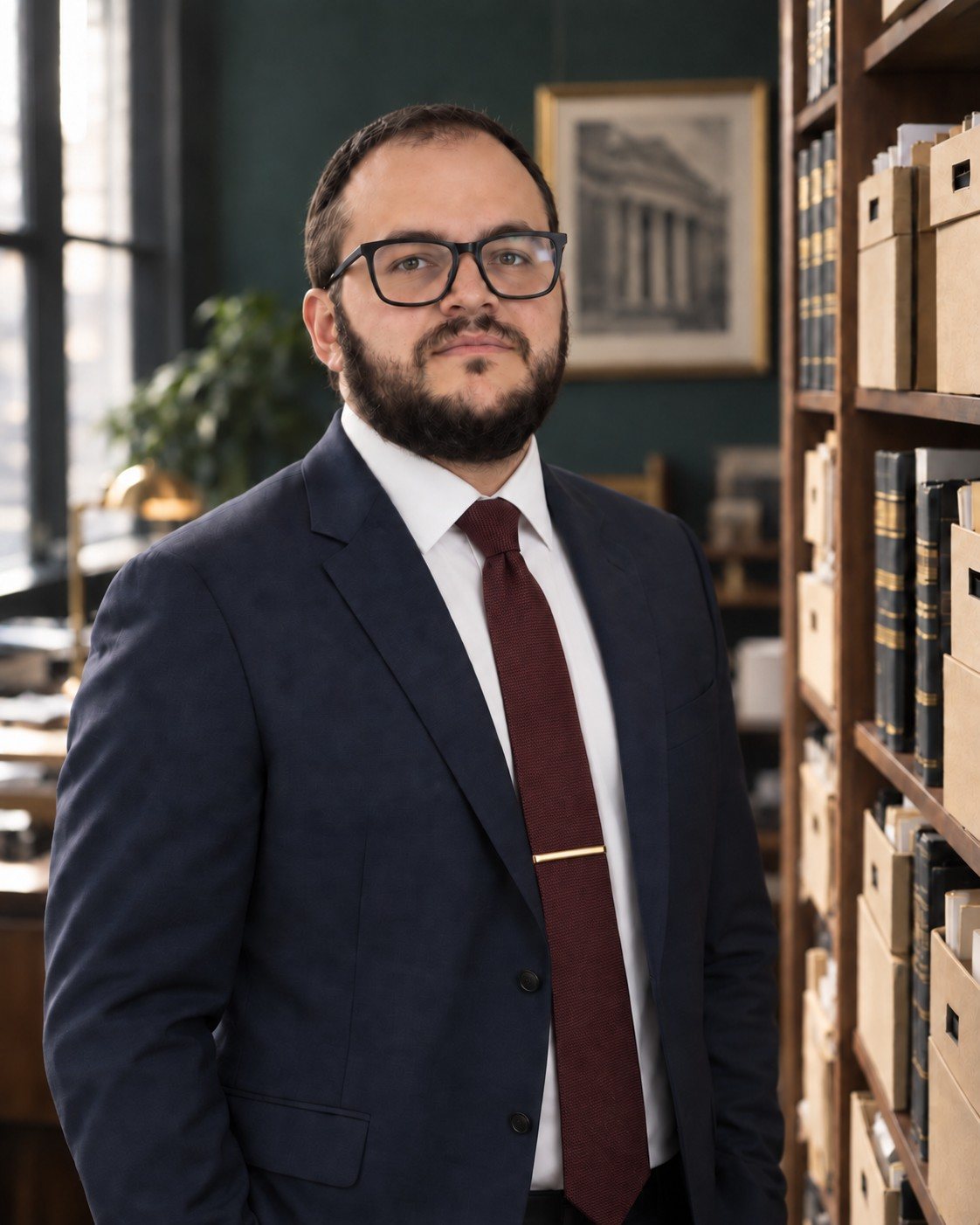
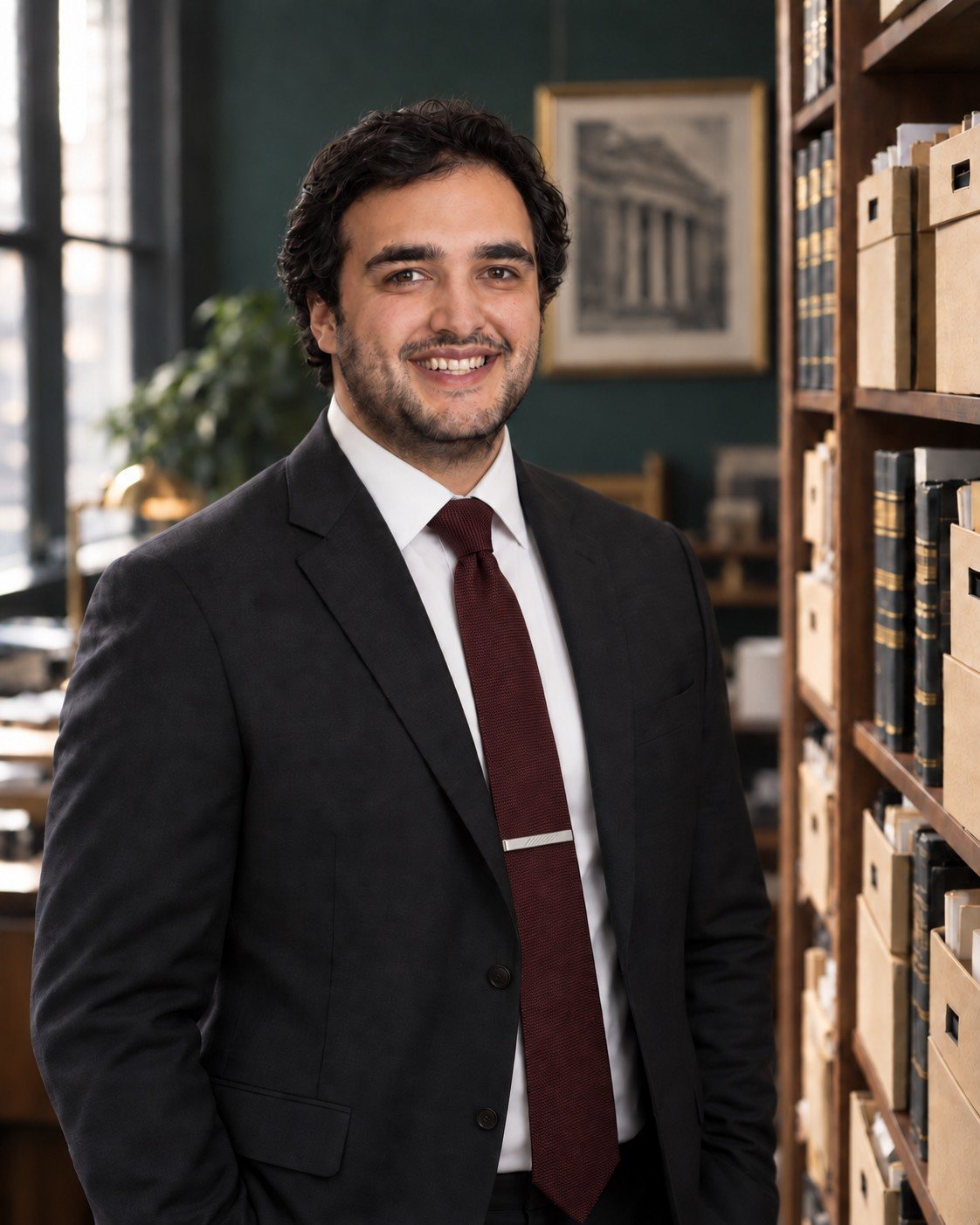
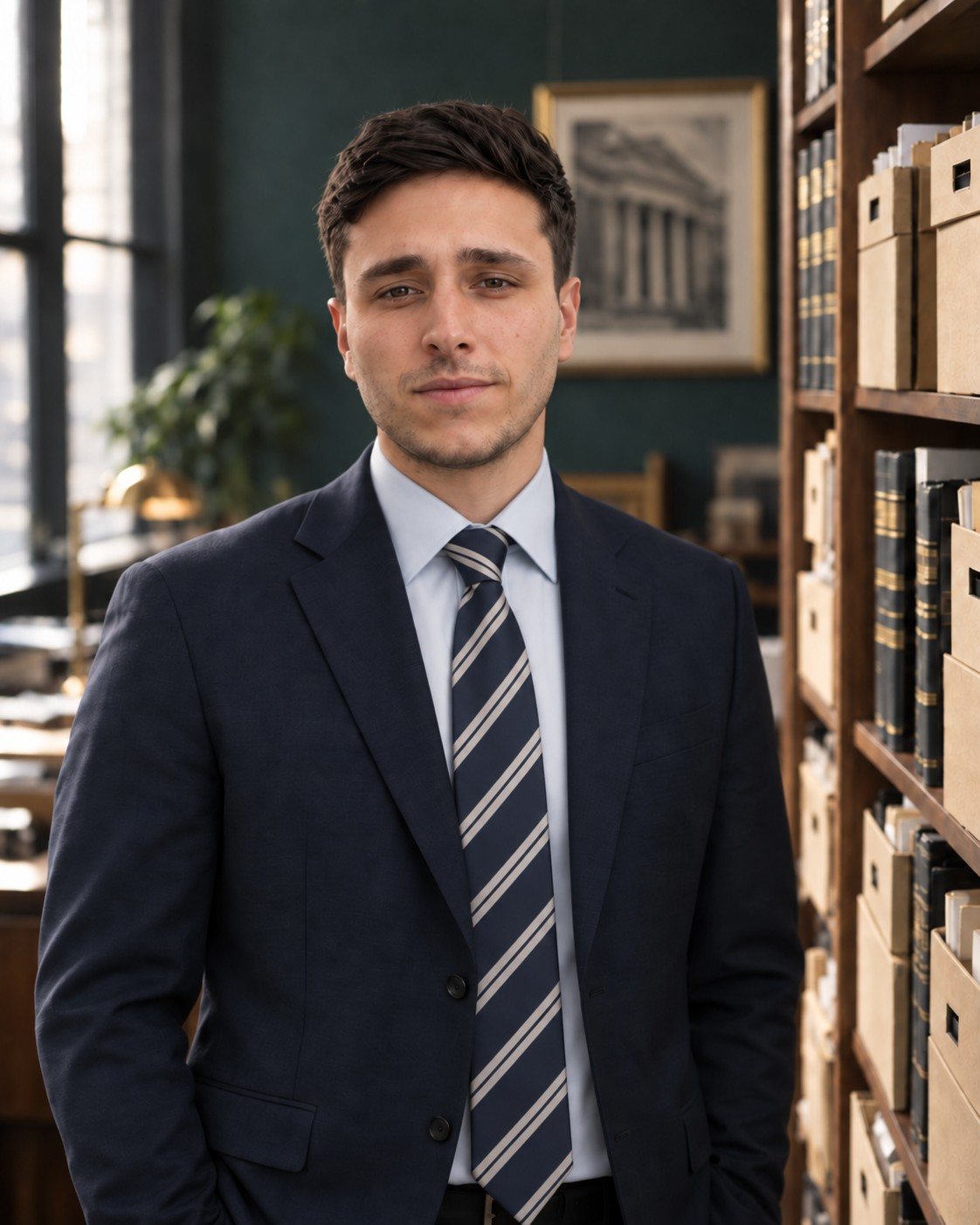
Talk to a lawyer privately. You decide how we reach you.
Tell us a safe number or email and a safe time, and whether we can leave a message. We never contact the person who hurt you, and we never call from a number or send anything that names this site. The first conversation is free and confidential, in English, Russian, Spanish or Uzbek, with a live interpreter for any other language.