
Checklist: filing safely
The law keeps the government from telling the abuser about your case. Your own mail, phone and papers are the part you control. Before anything is filed, settle three things: where notices will go, how we will reach you, and where the copies will live.
Current as of October 2026. We re-check this page every quarter and after any change in the law.

Under 8 U.S.C. 1367(a)(2), the immigration agencies may not disclose information about your case to anyone, with limited exceptions. See confidentiality. When an abuser does learn about a case, it is usually through something at home. This checklist closes those doors. Go through it with your lawyer, and with an advocate if you have one.
1. A safe mailing address

- Pick an address the abuser cannot reach. Notices about an immigration case come by mail to the mailing address you list, and they will keep coming for as long as the case is open. That includes the green card stage and the work permit.
- Options to discuss with your lawyer: a person you trust who lives elsewhere, or the lawyer's office. Confirm what the current form instructions allow on the USCIS Form I-360 page.
- Agree on what happens to a letter. Who opens it, how they tell you, and how fast.
- Plan for a move. If the safe address changes, tell your lawyer first so every agency gets the new one.
- Nothing goes to the shared home. Not the petition, not a work permit, not a card.
We do not publish shelter addresses
This site never lists the address of a shelter or a program, and you should not give one to anyone you have not chosen to tell. An advocate can tell you what a program allows.
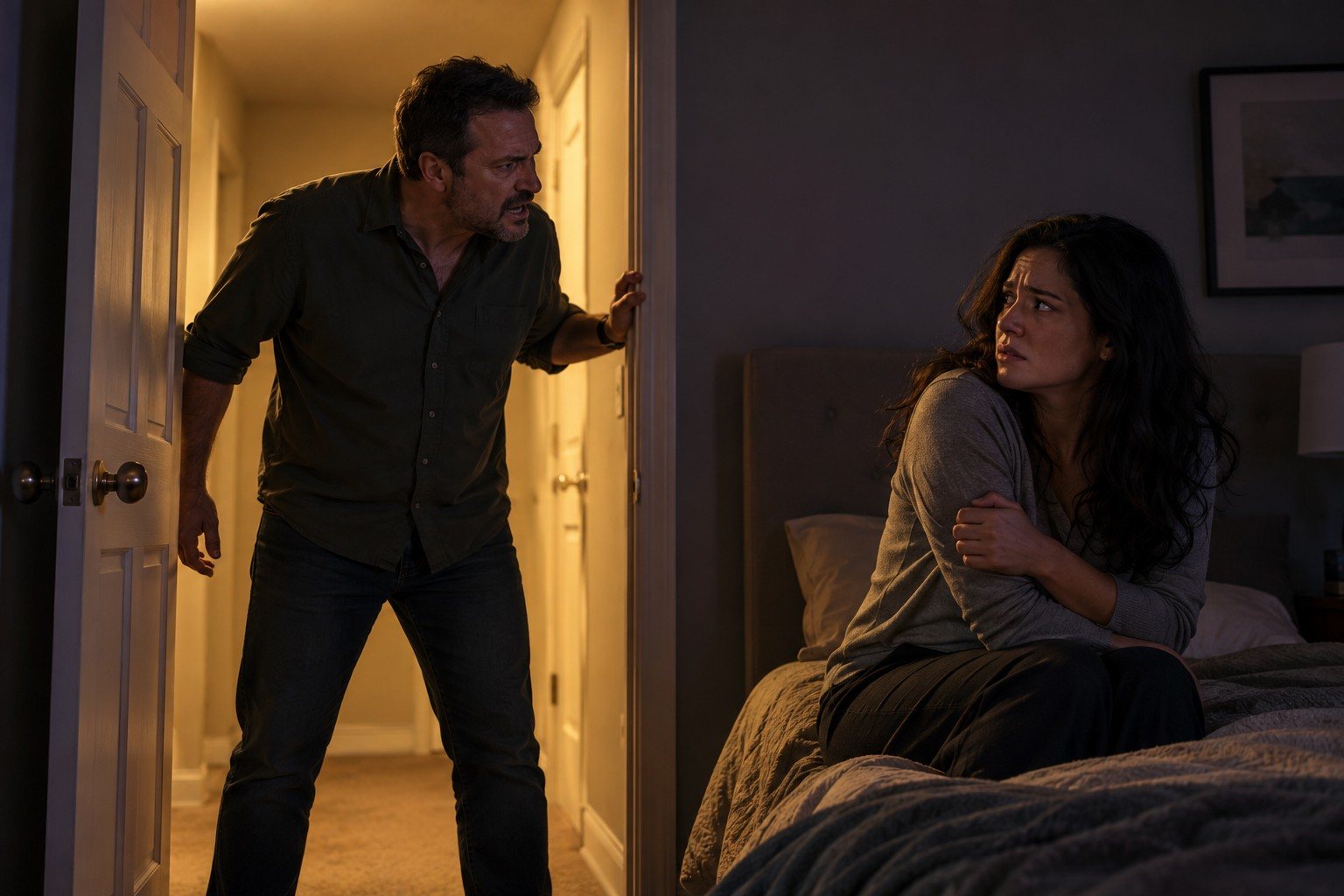
2. A safe phone and a safe email
- A number the abuser does not know. Not on a shared family plan, where call logs and texts can be seen. A prepaid phone kept outside the home is one option.
- A new email account, created on a device the abuser does not use, with a password they cannot guess and a recovery number that is yours alone.
- Turn off location sharing on the safe phone, and check whether the old phone shares your location. See staying safe online.
- Tell us when it is safe to call, and whether we may leave a message. We call only when you say, and we never leave a message without your permission.
- Do not save the firm's name in a shared phone's contacts. Our number is (718) 484-7510; you can save it under any name.
3. Where to keep copies

- The full set lives with your lawyer. We keep the complete petition, every notice and every original you give us.
- Your own set, if you want one, lives outside the home: with a person you trust, or at work if that is private.
- Not in a shared cloud account. Photos of documents sync. Check which accounts a phone uploads to before you photograph anything.
- Drafts of your declaration belong in the same safe place. See the declaration checklist.
- Keep a short list in your head: the firm's phone number and your receipt dates, so you can reach us without your papers.
4. Before the day you file

- Know who to call if the abuser finds something: your lawyer, at (718) 484-7510, and an advocate.
- If there is any criminal charge, talk to your criminal lawyer before filing. Read arrested or charged.
- If there is a family court case, decide with your family lawyer what will be said there about immigration. See divorce, custody and VAWA.
If you are in danger now, call 911
The National Domestic Violence Hotline answers at 1-800-799-7233, or text START to 88788. In Florida, the statewide Florida Domestic Violence Hotline answers at 1-800-500-1119. A safety plan is made with an advocate. We build the filing around it.
Read next: will my abuser find out, staying safe online, the evidence checklist, or confidentiality.
Common questions
Does the mailing address on my petition have to be where I live?
Your mailing address is where notices about the case will be sent, and it does not have to be the home you share with the abuser. Many survivors use the address of a trusted person or their lawyer's office. Read the current Form I-360 instructions on uscis.gov, or ask us, before you choose.
Can I use my lawyer's office as my mailing address?
Ask your lawyer. Usher Law Group discusses the options with each client at the consultation, including what the form instructions currently allow. The point is that notices go somewhere the abuser cannot reach.
Is it safe to email my documents to you?
Only from an email account the abuser does not know and cannot open, on a device they do not use. If you are not sure, bring paper copies to the office or ask us for another way. Delete sent copies from shared devices.
The lawyers who will handle your case
One of them calls you back, privately, on your terms.
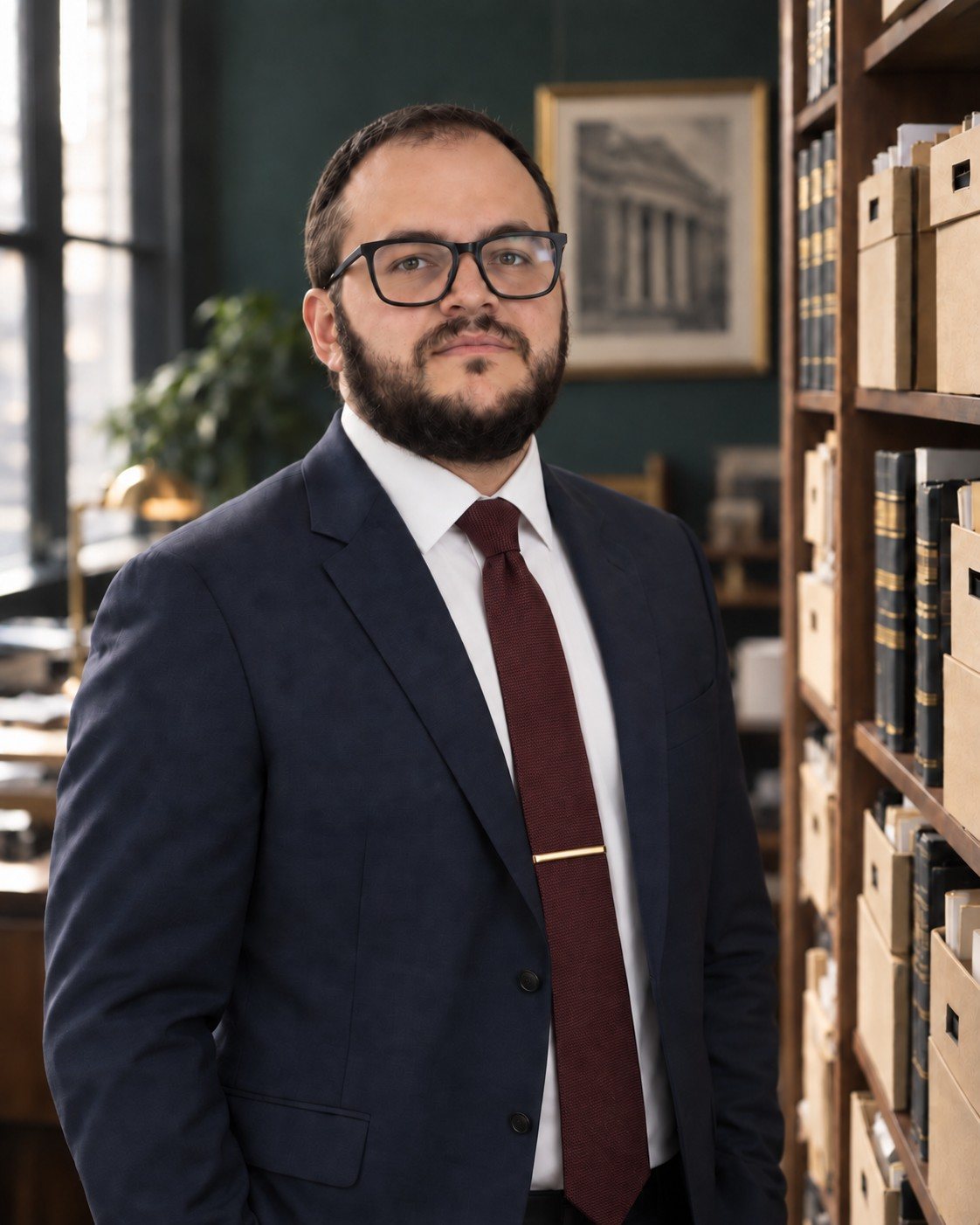
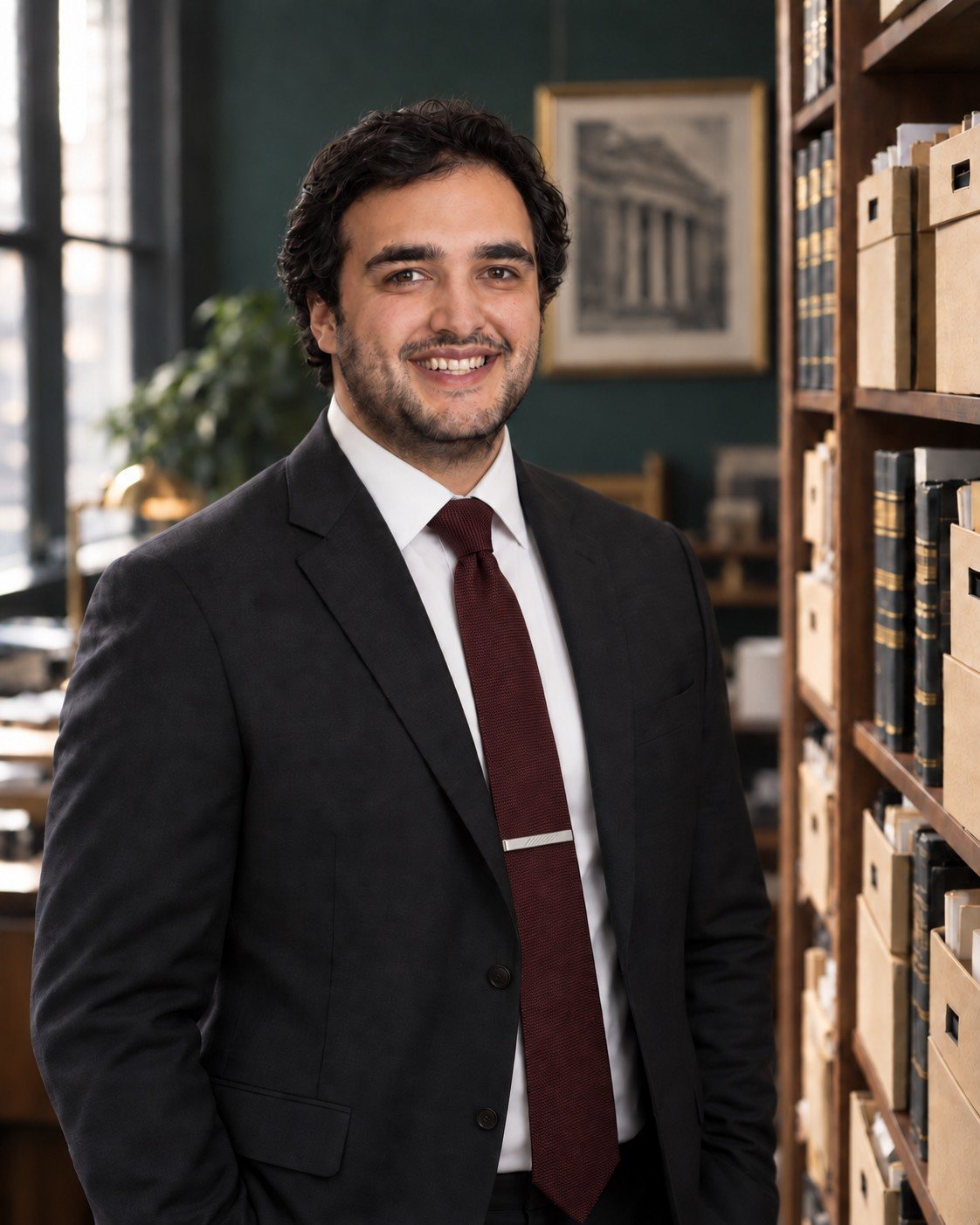
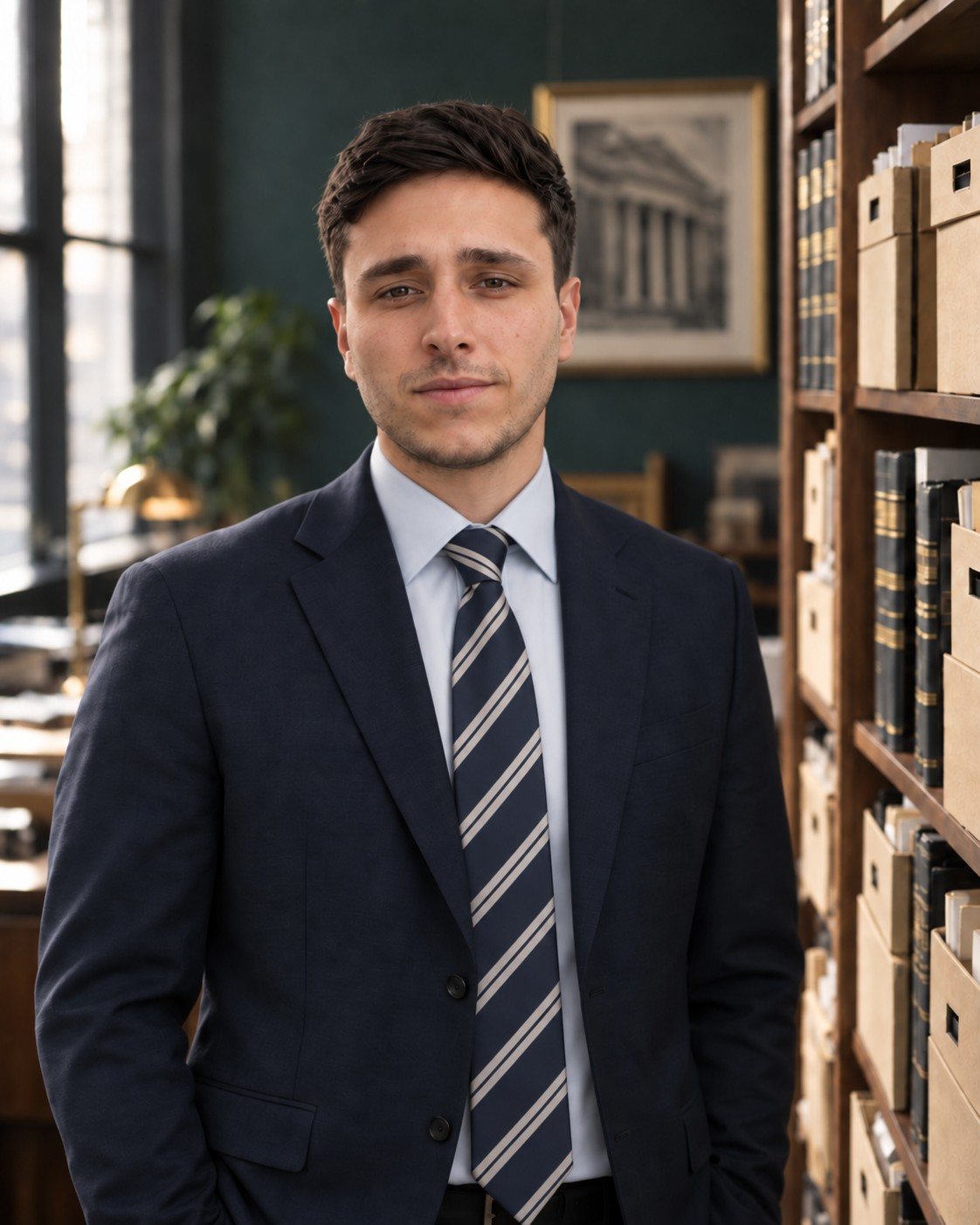
Talk to a lawyer privately. You decide how we reach you.
Tell us a safe number or email and a safe time, and whether we can leave a message. We never contact the person who hurt you, and we never call from a number or send anything that names this site. The first conversation is free and confidential, in English, Russian, Spanish or Uzbek, with a live interpreter for any other language.