
Arrested or charged
If you were arrested or charged, including on a complaint the abuser made, talk to your criminal lawyer before you write anything down about what happened. Then make sure your criminal lawyer and an immigration lawyer speak before any plea. A charge can be survived. A plea entered without immigration advice is much harder to undo.
Current as of October 2026. We re-check this page every quarter and after any change in the law.
Before anything else
Talk to your criminal lawyer before you write down anything about what happened: not a diary, not a text to a friend, not a declaration for immigration. Then ask your criminal lawyer to speak to an immigration lawyer before any plea. If you do not have a criminal lawyer yet, get one.
Arrests happen in abusive relationships, and not only to the person who caused the harm. The police may arrest both people. The abuser may call first, or file a cross-complaint after you report. A survivor who defended themselves may be the one who is charged. None of that means your immigration case is over. It means the order of steps matters.
The order of steps

- Criminal lawyer first. They control what is said and written while the case is open.
- Immigration advice before any plea. Your criminal lawyer and your immigration lawyer speak to each other. A plea that looks minor can carry serious immigration consequences.
- Get the records. After the case ends, your lawyer pulls the charge, the plea, the disposition and the sentence for every arrest.
- Then the immigration declaration. Written with your immigration lawyer, consistent with how the criminal case was resolved.
What immigration law says about survivors with arrests
- The self-petition. INA 204(a)(1)(C) provides that a self-petitioning spouse or child (not an abused parent, whom the text does not name) is not barred from good moral character by an act or conviction that is waivable for purposes of the petition and connected to the abuse.
- The domestic-violence deportability ground. INA 237(a)(7) provides a waiver for a person who was battered or subjected to extreme cruelty and was not the primary perpetrator, if the judge also finds self-defense, a violation of a protection order meant to protect them, or a crime with no serious bodily injury connected to the abuse. See the 237(a)(7) waiver.
- VAWA cancellation. Under INA 240A(b)(2), specified grounds and an aggravated felony conviction bar relief. See VAWA cancellation.
- The abuser's word alone. Under 8 U.S.C. 1367(a)(1), DHS and the Justice Department may not make an adverse determination of admissibility or deportability using information furnished solely by the abuser or the abuser's family. That rule does not apply if you have been convicted of a crime listed in INA 237(a)(2), which is one more reason the criminal case comes first. USCIS also does not apply it to the denial of an I-360, I-751 or I-765V (PA-2025-34).
None of these rules reaches the criminal court. Under the firm's reading, 8 U.S.C. 1367 does not bind state criminal or family courts. The criminal case is defended on its own terms.
Protective orders

Sometimes the abuser asks a family court for an order of protection against the survivor. That is a family-court matter, with its own consequences. We do not tell anyone to seek or contest an order; we explain what each choice does to the immigration case. See protective orders.
If ICE is involved
An arrest can lead to ICE custody. If you or someone you love is detained, read detained survivors. If you are already in removal proceedings, start at VAWA in immigration court.
What a domestic-violence charge or plea does to immigration status, explained for you and for your criminal lawyer.
Domestic-violence offenses and immigration →
usherlegal.comCriminal defense and family court are handled by Usher Law Group's other practices, so the cases stay in one firm.
Criminal defense at usherlegal.com →
Read next: the 237(a)(7) waiver, good moral character, protective orders, or how your information is protected.
Common questions
Why should I not write down what happened?
While a criminal case is open, a written account can be requested, used, or compared against your testimony in that case. Your criminal lawyer decides what is written, by whom and when. Your immigration declaration comes after that conversation, not before.
Does an arrest end my VAWA case?
Not by itself. For the self-petition, INA 204(a)(1)(C) provides that a self-petitioning spouse or child is not barred from good moral character by an act or conviction that is waivable for purposes of the petition and connected to the abuse; the text does not name abused parents. In court, INA 237(a)(7) offers a waiver of the domestic-violence deportability ground for a person who was abused and was not the primary perpetrator, if the judge also finds self-defense, a violation of a protection order meant to protect them, or a crime with no serious bodily injury connected to the abuse. Which rules apply depends on the outcome of the criminal case.
The abuser told police I attacked them. Can immigration use that?
Under 8 U.S.C. 1367(a)(1), DHS and the Justice Department may not make an adverse determination of admissibility or deportability using information furnished solely by the abuser or the abuser's family. That rule does not apply if you have been convicted of a crime listed in INA 237(a)(2), and USCIS does not apply it to the denial of an I-360, I-751 or I-765V (PA-2025-34). A criminal court record is a separate thing, which is why the criminal case is handled with care first.
Should I accept a plea to get out of jail faster?
Not without immigration advice first. Some pleas that look minor carry serious immigration consequences. Ask your criminal lawyer to speak to an immigration lawyer before you decide. Our sister site explains what pleas do to status.
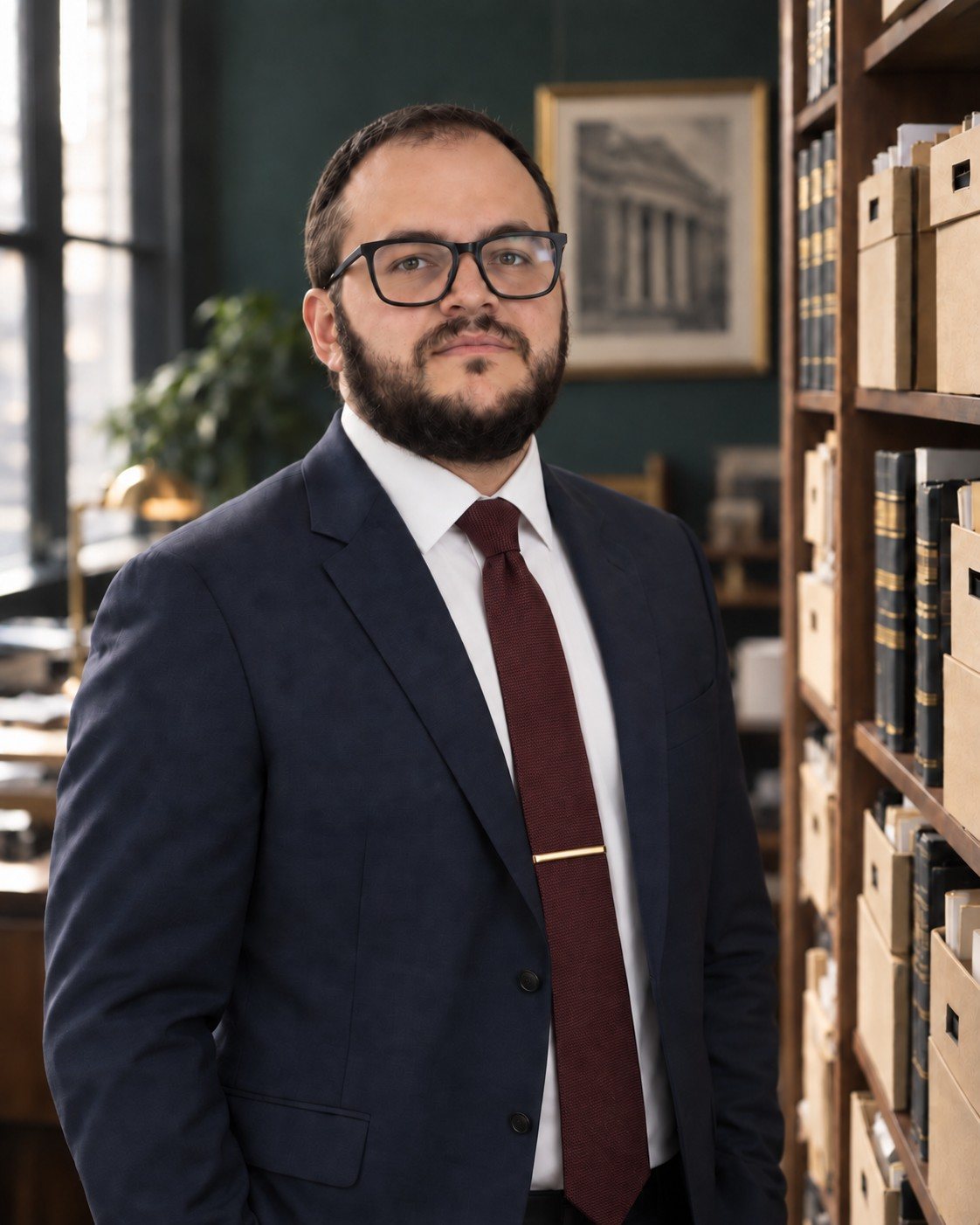
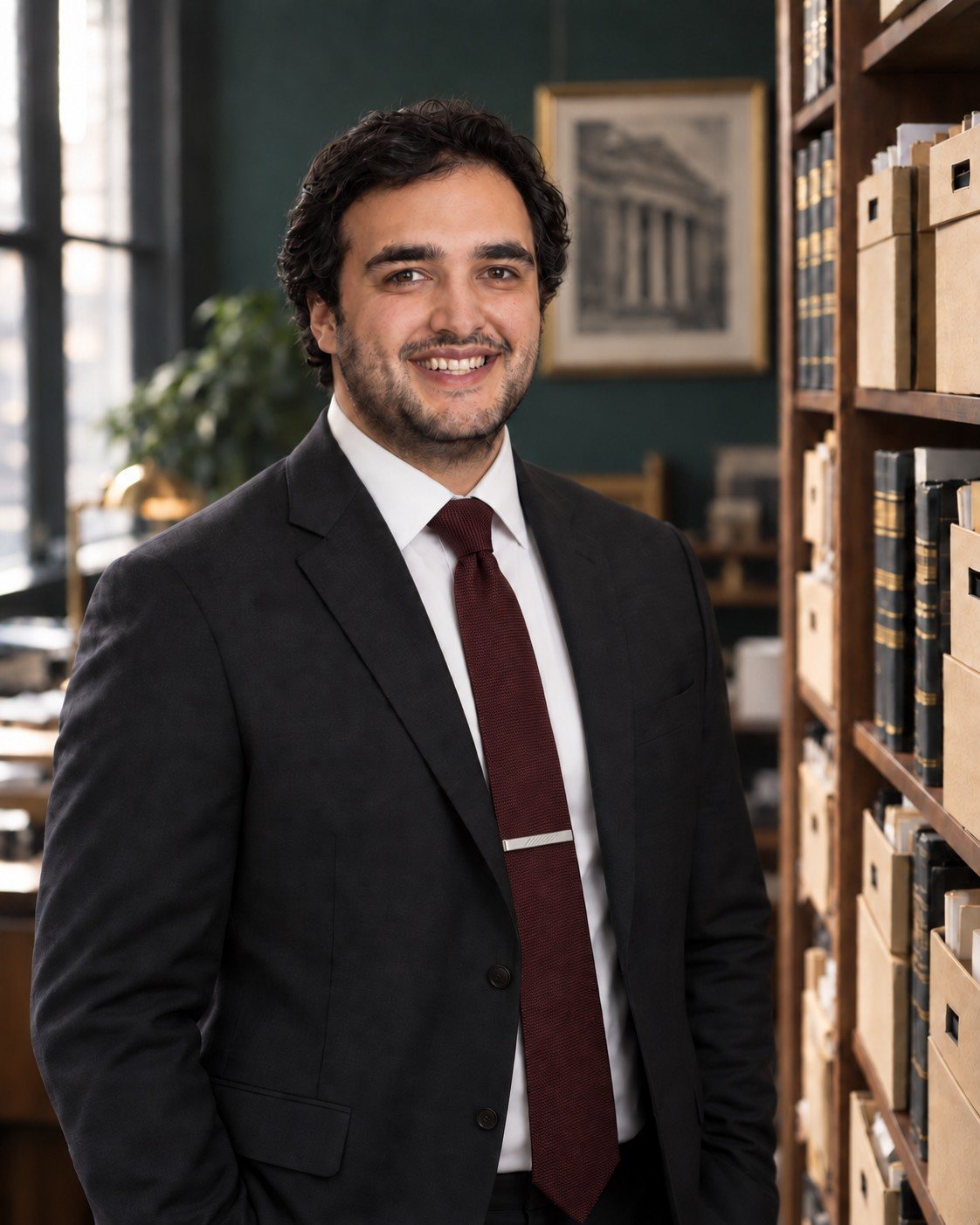
The lawyers who will handle your case
One of them calls you back, privately, on your terms.

Talk to a lawyer privately. You decide how we reach you.
Tell us a safe number or email and a safe time, and whether we can leave a message. We never contact the person who hurt you, and we never call from a number or send anything that names this site. The first conversation is free and confidential, in English, Russian, Spanish or Uzbek, with a live interpreter for any other language.