
VAWA cancellation of removal
If you are in removal proceedings and were abused by a U.S. citizen or green card holder spouse or parent, an immigration judge can cancel your removal and grant you a green card under INA 240A(b)(2). You need 3 years of continuous physical presence, good moral character, no disqualifying ground, and extreme hardship to you, your child or your parent. The abuser has no part in it.
Current as of October 2026. We re-check this page every quarter and after any change in the law.
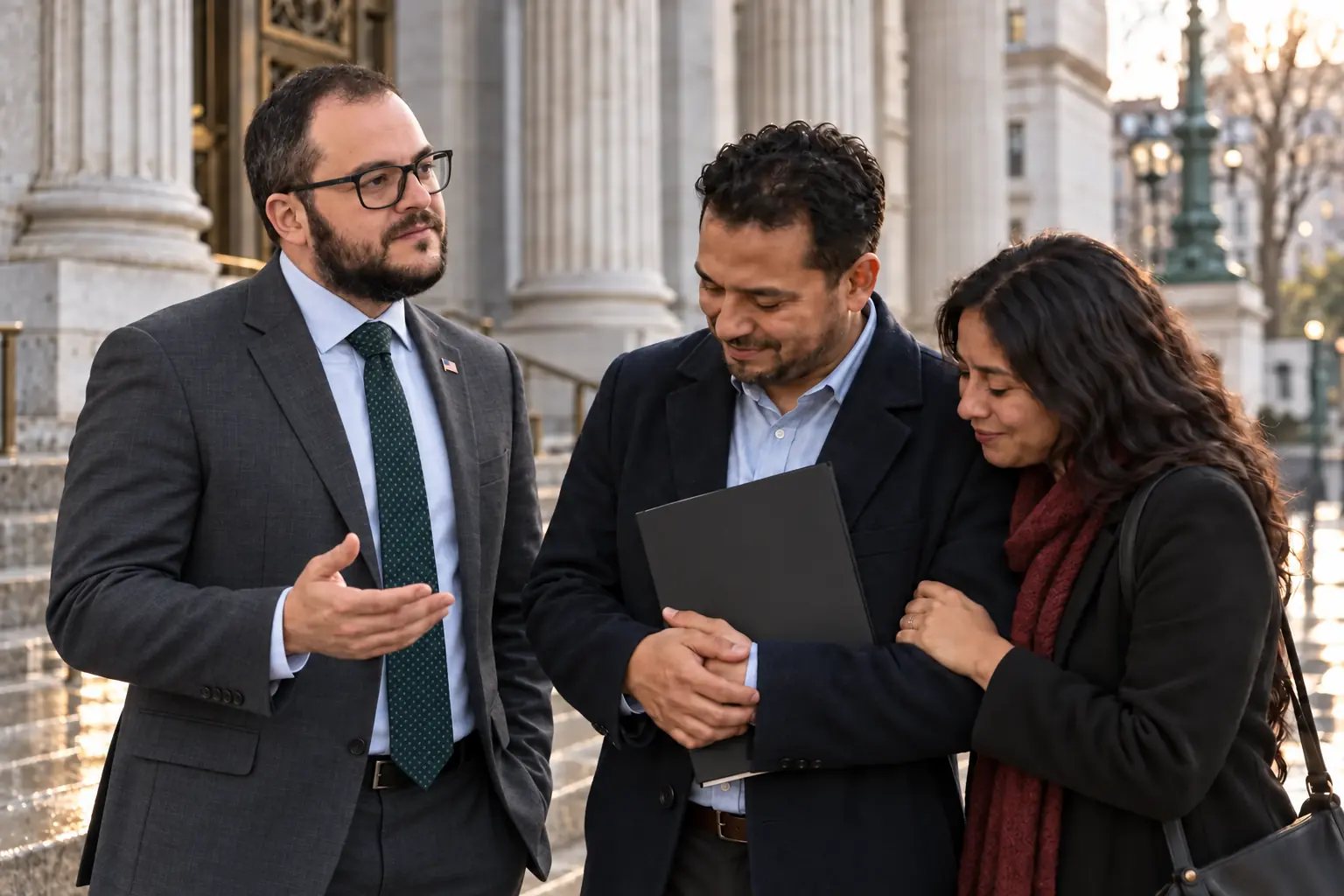
This is relief that only an immigration judge can grant, and only in removal proceedings. It is the court-side counterpart to the VAWA self-petition, which is filed with USCIS. The two have different elements. Keep them apart in your mind, because many websites do not.
Who can apply

Under INA 240A(b)(2)(A)(i)(I) to (III), there are three ways in:
- You were battered or subjected to extreme cruelty by a spouse who is or was a U.S. citizen or green card holder. An intended spouse, who married in good faith a person whose earlier marriage made the wedding invalid, also qualifies.
- You were battered or subjected to extreme cruelty by a parent who is or was a U.S. citizen or green card holder.
- You are the parent of a child who was battered or subjected to extreme cruelty by such a citizen or green card holder parent.
"Is or was" matters: the abuser's later loss of status does not by itself close this door. These rules are stated as of October 2026.
The elements
| Element | What you show |
|---|---|
| Abuse | Battery or extreme cruelty by a U.S. citizen or green card holder spouse or parent, or you are the parent of such a child |
| Presence | Continuous physical presence for 3 years immediately before the application. The Notice to Appear does not toll it. An absence connected to the abuse does not break it, even past 180 days, and is not counted toward the 90-day or 180-day limits. The excluded time does not count toward the 3 years. INA 240A(b)(2)(A)(ii), (B) |
| Good moral character | Required for the 3-year period. An act or conviction connected to the abuse that does not bar relief under (A)(iv) does not bar good moral character if a waiver is otherwise warranted. INA 240A(b)(2)(A)(iii), (C) |
| No disqualifying ground | Not inadmissible under 212(a)(2) or (a)(3); not deportable under 237(a)(1)(G), (a)(2), (a)(3) or (a)(4); the deportability limits are subject to the 237(a)(7) waiver authority in 240A(b)(5); and no aggravated felony conviction. INA 240A(b)(2)(A)(iv) |
| Extreme hardship | To you, your child or your parent. INA 240A(b)(2)(A)(v) |
| The general cancellation bars | INA 240A(c) bars crewmen, certain J-1 exchange visitors, persecutors and anyone previously granted cancellation, suspension of deportation or 212(c) relief, but by its text it applies to subsections (a) and (b)(1), not to VAWA cancellation under (b)(2). The 212(a)(3) and 237(a)(4) grounds still bar VAWA cancellation through (A)(iv). Tell us about any earlier grant of relief. INA 240A(c) |
Authority: INA 240A(b)(2); 8 U.S.C. 1229b(b)(2). The judge must consider any credible evidence (INA 240A(b)(2)(D)). The application is Form EOIR-42B, filed with the immigration court.
The stop-time rule works differently here

In most cancellation cases, the clock stops when the Notice to Appear is served. Not in VAWA cancellation. The service prong of the stop-time rule expressly excepts "an alien who applies for cancellation of removal under subsection (b)(2)" (INA 240A(d)(1)(A)), and the VAWA provision itself says the issuance of a charging document does not toll the 3 years (INA 240A(b)(2)(A)(ii)). Time in the United States after the Notice to Appear can still count.
The offense prong still applies. The period ends when you commit an offense referred to in 212(a)(2) that makes you inadmissible under 212(a)(2) or removable under 237(a)(2) or (a)(4) (INA 240A(d)(1)(B)). The offense stops time on the date it was committed, not the date of conviction (Matter of Perez, 22 I&N Dec. 689 (BIA 1999)), and an offense that "renders" a permanent resident inadmissible stops time even though that person is not seeking admission (Barton v. Barr, 590 U.S. 222 (2020)). As of October 2026.
Extreme hardship is required here, and only here
For VAWA cancellation, extreme hardship is an element of INA 240A(b)(2). For the VAWA self-petition, it is not: Congress removed it from the self-petition statute in 2000, even though 8 C.F.R. 204.2(c)(1)(i)(G) still prints it. If you read "extreme hardship" on a page about the self-petition, that page is out of date.
Building the hardship case

The hardship can be to you. That matters. The effects of the abuse, the treatment you need, what you would face in the country of return, whether the abuser has reach there, and what happens to your children are all part of the showing. The record is built from:
- Your declarationSpecific, dated and in your own words.It is written with a lawyer over several sessions, not in one sitting.
- Medical and counseling recordsWhat the abuse did, and what care continues.A letter from a counselor or advocate who has worked with you can help.
- Your children's recordsSchool, medical and counseling records.Statements from teachers or caregivers who know the children.
- Country conditionsWhat a survivor would face where you would be sent.Your lawyer gathers published reports; you do not have to find them.
Proving the abuse

A police report, a protective order or a conviction helps, but none is required. The judge decides on the whole record whether battery or extreme cruelty occurred. Statements from people who saw injuries, heard threats or watched you change can carry real weight. The page on abuse without violence explains how non-physical abuse is shown.
Arrests that came from the abuse
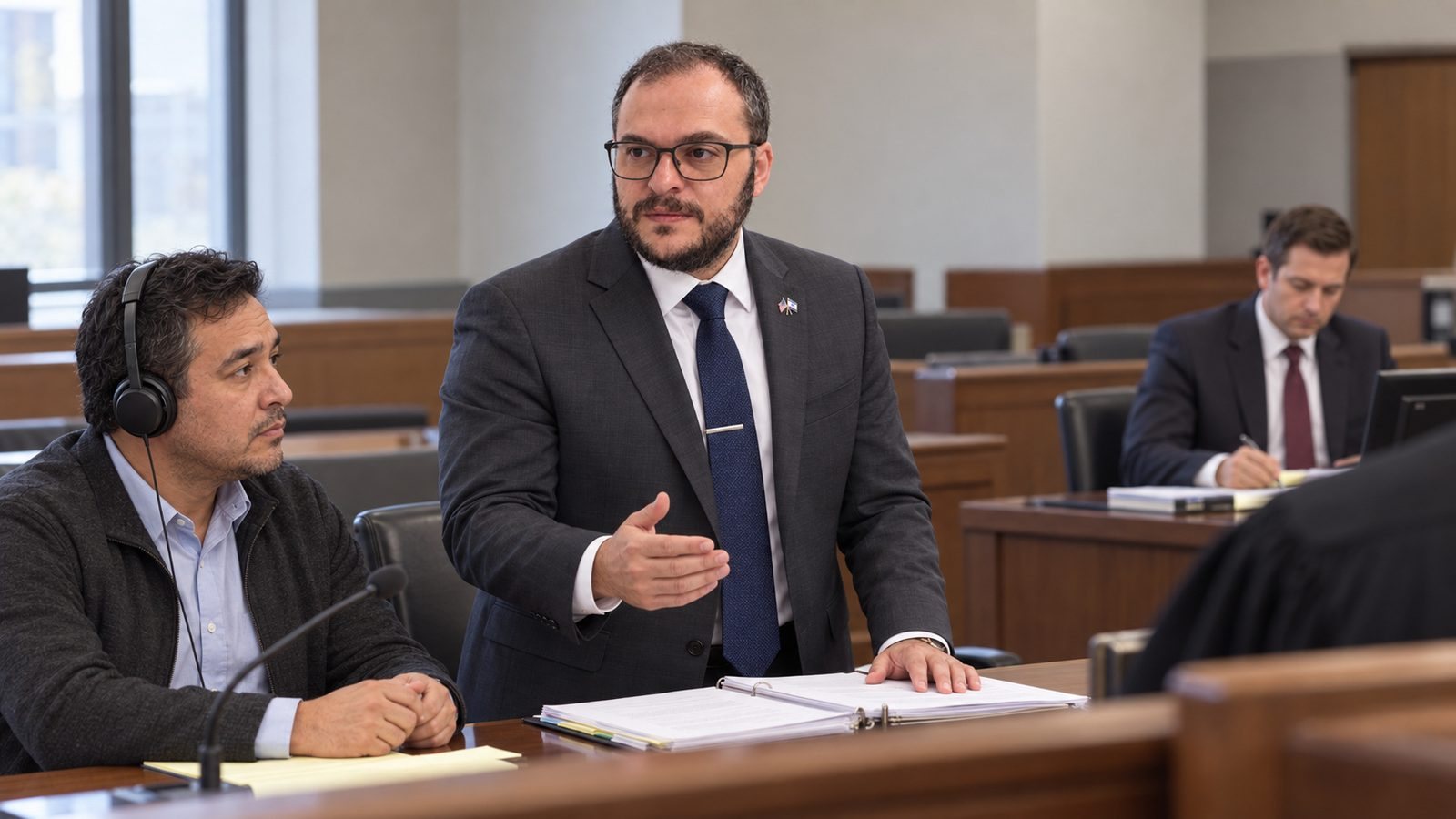
Survivors are sometimes arrested in the same incident, or charged on the abuser's complaint. Every disposition is pulled and read against the bars and the offense prong of the stop-time rule. Two or more DUI convictions during the period create a presumption against good moral character (Matter of Castillo-Perez, 27 I&N Dec. 664 (A.G. 2019)). Read arrested or charged and talk to your criminal lawyer before writing anything down. If you are charged as deportable on the domestic-violence ground, see the 237(a)(7) waiver.
Fees and the cap
The government filing fee for Form EOIR-42B is $1,640 as of September 2026, for filings postmarked on or after February 1, 2026: $100 to EOIR plus $1,540 added by the 2025 reconciliation law, plus a $30 biometrics fee. None of it is our legal fee. The EOIR forms and fees page is the source. VAWA cancellation counts against the annual cap of 4,000 grants under INA 240A(e)(1) and (e)(3).
On the USCIS side, battered spouses and children applying under 240A(b)(2) pay no government filing fee for a work permit (Form I-765) under 8 C.F.R. 274a.12(c)(10) or for Form I-824 (8 C.F.R. 106.3(b)(8)(i)-(ii), as of October 2026). That rule does not decide the court-side fees, and we have not confirmed whether any EOIR fee exemption reaches a VAWA applicant, so we do not say one does.
If the judge grants it: parole for your family

The law gives the family a path too. The government "shall grant parole" under INA 212(d)(5) to a child of a person granted VAWA cancellation, or to a parent of a child granted it (INA 240A(b)(4)(A)(i)-(ii), as of October 2026).
With the self-petition, not instead of it
A person in proceedings can also file a VAWA self-petition with USCIS. The two are often pursued together. A person with an approved VAWA self-petition may adjust status even without inspection and admission or parole under INA 245(a), and the judge can be asked to give USCIS time to decide.
Read next: VAWA in immigration court, the VAWA motion to reopen, the VAWA self-petition, or how your information is protected.
Common questions
Is extreme hardship required for VAWA cancellation?
Yes. Under INA 240A(b)(2), extreme hardship to you, your child or your parent is an element of VAWA cancellation. That is different from the VAWA self-petition filed with USCIS, where Congress removed extreme hardship from the statute in 2000. Do not confuse the two.
I left the country for a while because of the abuse. Does that break my three years?
Not necessarily. Under INA 240A(b)(2)(B), an absence connected to the abuse does not break continuous physical presence, and there is no 180-day cap on a connected absence. But the time you were away for that reason does not count toward the 3 years. Bring every date you can remember to the consultation.
Does the Notice to Appear stop my 3-year clock?
No. For VAWA cancellation, the Notice to Appear part of the stop-time rule does not apply: INA 240A(d)(1)(A) expressly excepts a person applying under 240A(b)(2), and 240A(b)(2)(A)(ii) says the issuance of a charging document does not toll the 3 years. The offense part of the rule still applies (INA 240A(d)(1)(B)), as of October 2026.
How much does it cost to file?
The government filing fee for Form EOIR-42B is $1,640 as of September 2026 for filings postmarked on or after February 1, 2026, plus a $30 biometrics fee. That is not our legal fee. Check the EOIR forms and fees page before filing, because fees change. On the USCIS side, a work permit under category (c)(10) and Form I-824 are fee-exempt for VAWA cancellation applicants (8 C.F.R. 106.3(b)(8), as of October 2026).
If the judge grants it, do I get a green card right away?
Not always. VAWA cancellation counts against the annual cap of 4,000 grants under INA 240A(e)(1) and (e)(3), so a grant can be held until a number is available.
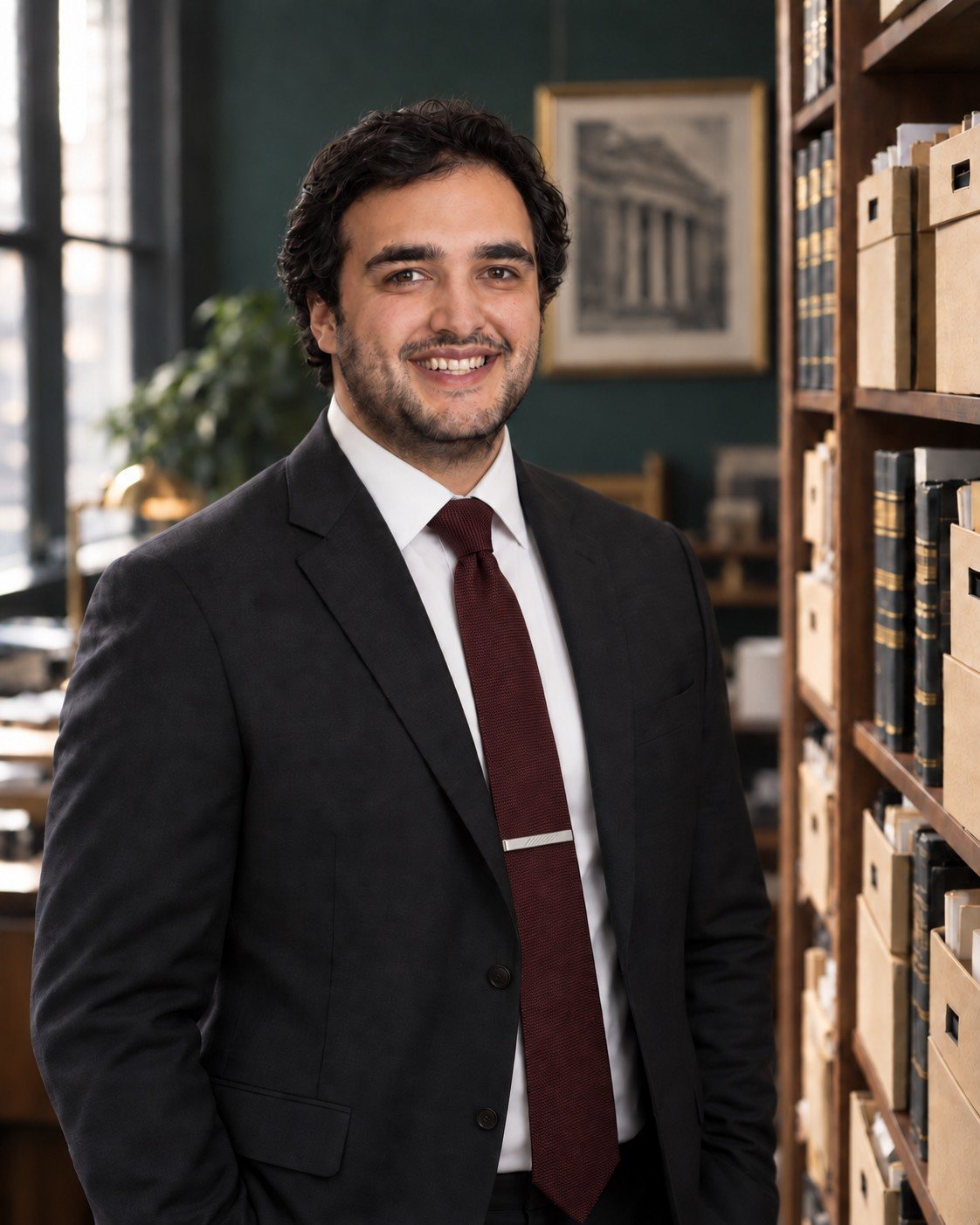
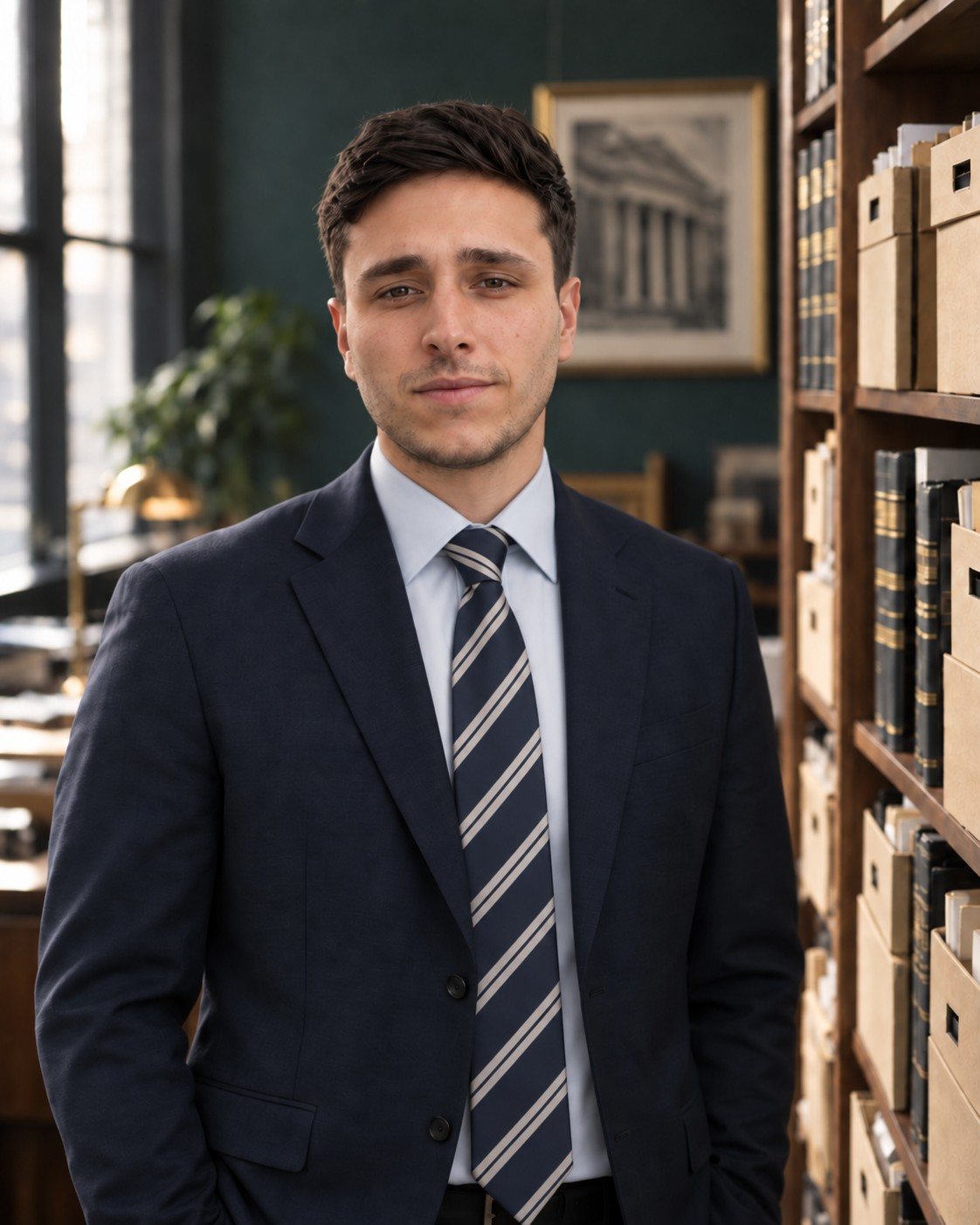
The lawyers who will handle your case
One of them calls you back, privately, on your terms.

Talk to a lawyer privately. You decide how we reach you.
Tell us a safe number or email and a safe time, and whether we can leave a message. We never contact the person who hurt you, and we never call from a number or send anything that names this site. The first conversation is free and confidential, in English, Russian, Spanish or Uzbek, with a live interpreter for any other language.