
The VAWA motion to reopen
If you have a final removal order and were abused by a U.S. citizen or green card holder spouse or parent, INA 240(c)(7)(C)(iv) gives you a motion to reopen of your own. It may be filed within 1 year of the final order, that deadline can be waived for extraordinary circumstances or extreme hardship to a child, the usual one-motion limit does not prevent one such motion, and you must be physically present in the United States.
Current as of October 2026. We re-check this page every quarter and after any change in the law.
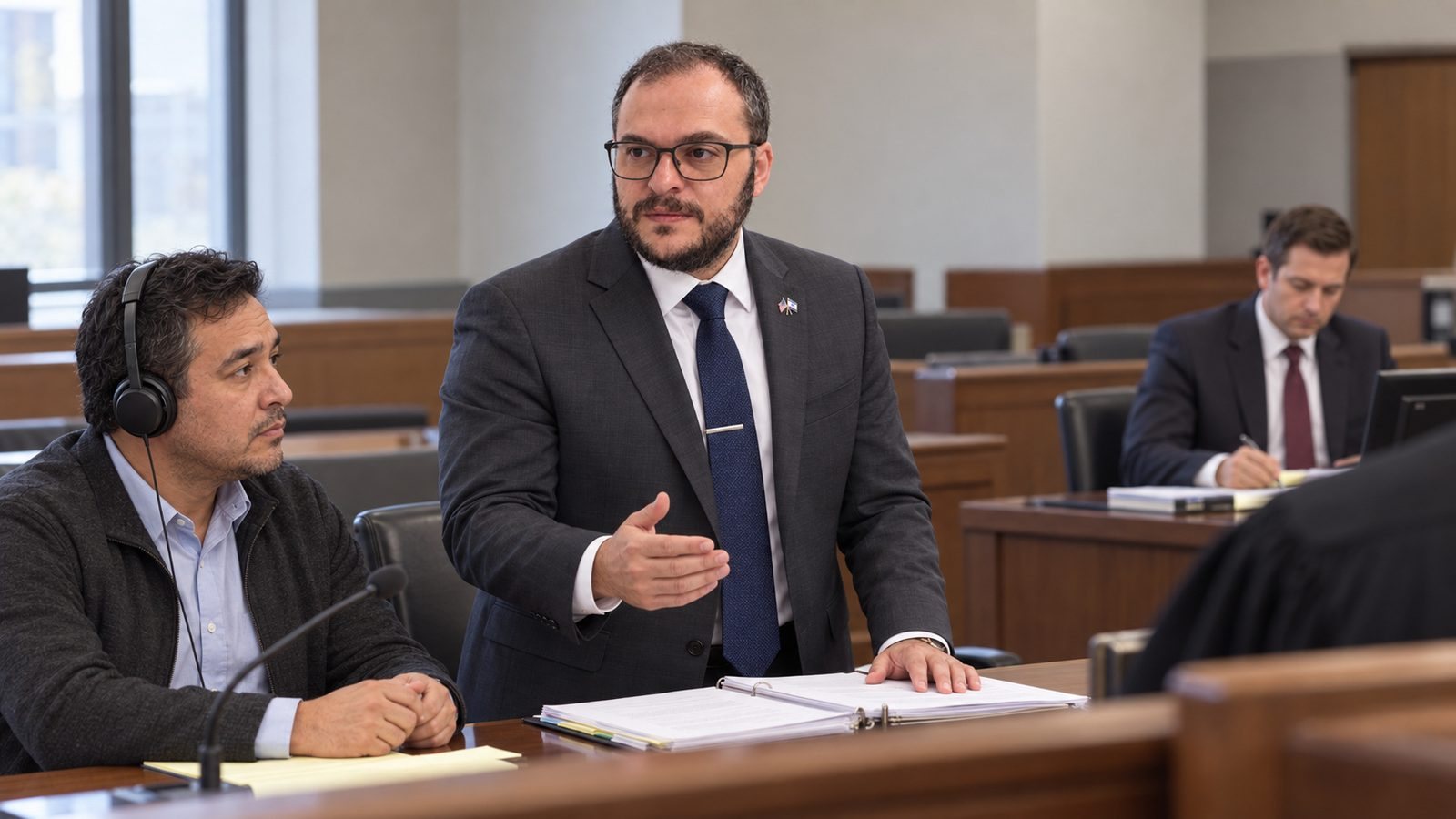
A removal order feels final. For most people, a motion to reopen is limited in time and in number. Congress wrote a separate rule for survivors. It matters because an abuser can control the mail, the documents, and the story told about what happens at home.
If there is a date set for removal, or ICE has told you to report, call a lawyer today. In danger now? Call 911.
What the statute provides

| Rule | VAWA motion to reopen |
|---|---|
| Deadline | 1 year from the final order. INA 240(c)(7)(C)(iv) |
| Late filing | The deadline can be waived for extraordinary circumstances or extreme hardship to your child |
| Number of motions | The one-motion limit does not prevent one VAWA motion. INA 240(c)(7)(A) |
| What it must be for | Relief based on a self-petition by a spouse or child (INA 204(a)(1)(A)(iii), (iv), (B)(ii), (iii)), VAWA cancellation, or former INA 244(a)(3). The abused-parent petition under 204(a)(1)(A)(vii) is not on the list. INA 240(c)(7)(C)(iv)(I) |
| What must go with it | The cancellation application, or a copy of the self-petition that has been or will be filed with USCIS. INA 240(c)(7)(C)(iv)(II) |
| Where you must be | Physically present in the United States |
The ordinary motion to reopen has its own shorter deadline and is limited to one. Those rules are covered on our removal defense site.
The stay of removal
Filing a VAWA motion to reopen stays removal only for a qualified alien as defined in 8 U.S.C. 1641(c)(1)(B), and only if the motion establishes that status. Where it applies, the stay lasts through the final decision on the motion, including appeals (INA 240(c)(7)(C)(iv), closing sentence). For anyone else, filing alone does not stop a removal. Where removal is close, a separate stay request is prepared at the same time as the motion.
What reopening is for

A reopened case lets you ask the judge for VAWA relief you could not ask for before: VAWA cancellation of removal, or a green card based on a VAWA self-petition. A person with an approved VAWA self-petition may adjust status even without inspection and admission or parole, under INA 245(a). The statute requires the motion to be filed with the cancellation application or a copy of the self-petition (INA 240(c)(7)(C)(iv)(II)), so both are prepared together.
What goes into the motion
- The final order and its dateThe decision of the judge or the Board, and proof of when it became final.If you do not have it, your lawyer can request the record of proceedings.
- The relief you will seekA completed application or a filed self-petition and its receipt.If the self-petition is not filed yet, it is prepared alongside the motion.
- Evidence of the abuseYour declaration and whatever supports it.A police report is not required; statements from people who saw the effects can carry weight.
- Evidence for a waiver of the deadlineIf you are past 1 year: the extraordinary circumstances, or the hardship to your child.Medical, school and counseling records are typical; your lawyer decides what fits.
- Proof you are hereRecent records that place you in the United States.Pay stubs, medical visits, a lease, school records for your children.

If the order was entered because you never got the notice
Abusers sometimes hide or destroy court mail. If you were ordered removed at a hearing you did not know about, there may be a separate motion as well. Which motion to file, and in what order, depends on the dates. Bring everything you have.
Arrests and criminal cases
If you were arrested or charged, including on a complaint the abuser made, read arrested or charged and talk to your criminal lawyer before writing anything down.
The ordinary motion to reopen, its deadline and its one-motion limit, and the other exceptions, on our removal defense site.
Motions to reopen in general →
icebail.comIf ICE has already detained you or someone you love, detention and bond come first.
Detention and bond →
Read next: VAWA in immigration court, VAWA cancellation, detained survivors, or the VAWA self-petition.
Common questions
How long do I have to file a VAWA motion to reopen?
Under INA 240(c)(7)(C)(iv), within 1 year of the final order of removal. The deadline can be waived for extraordinary circumstances or for extreme hardship to your child. Fixing the date the order became final is the first step.
I already filed a motion to reopen years ago. Can I file this one?
Possibly. The usual one-motion limit in INA 240(c)(7)(A) does not prevent the filing of one VAWA motion to reopen. A prior ordinary motion does not by itself use it up. Bring the earlier motion and the decision on it to the consultation.
Can I file from outside the United States?
No. The statute requires that you be physically present in the United States. If you were removed or left, talk to a lawyer about other options before you do anything else.
Does filing stop my removal?
Only in some cases. Under INA 240(c)(7)(C)(iv), filing stays removal only for a qualified alien as defined in 8 U.S.C. 1641(c)(1)(B), and only if the motion establishes that status. Where it applies, the stay lasts until the motion is finally decided, including appeals. Where removal is close and that stay may not apply, a separate stay request is prepared at the same time.
The lawyers who will handle your case
One of them calls you back, privately, on your terms.



Talk to a lawyer privately. You decide how we reach you.
Tell us a safe number or email and a safe time, and whether we can leave a message. We never contact the person who hurt you, and we never call from a number or send anything that names this site. The first conversation is free and confidential, in English, Russian, Spanish or Uzbek, with a live interpreter for any other language.