
Evidence without documents
Many survivors have almost nothing on paper, because the abuser kept the documents or kept them off the record. The self-petition can still be built. USCIS must consider any credible evidence, so your declaration, statements from other people, and records you can request in your own name can carry the case.
Current as of October 2026. We re-check this page every quarter and after any change in the law.
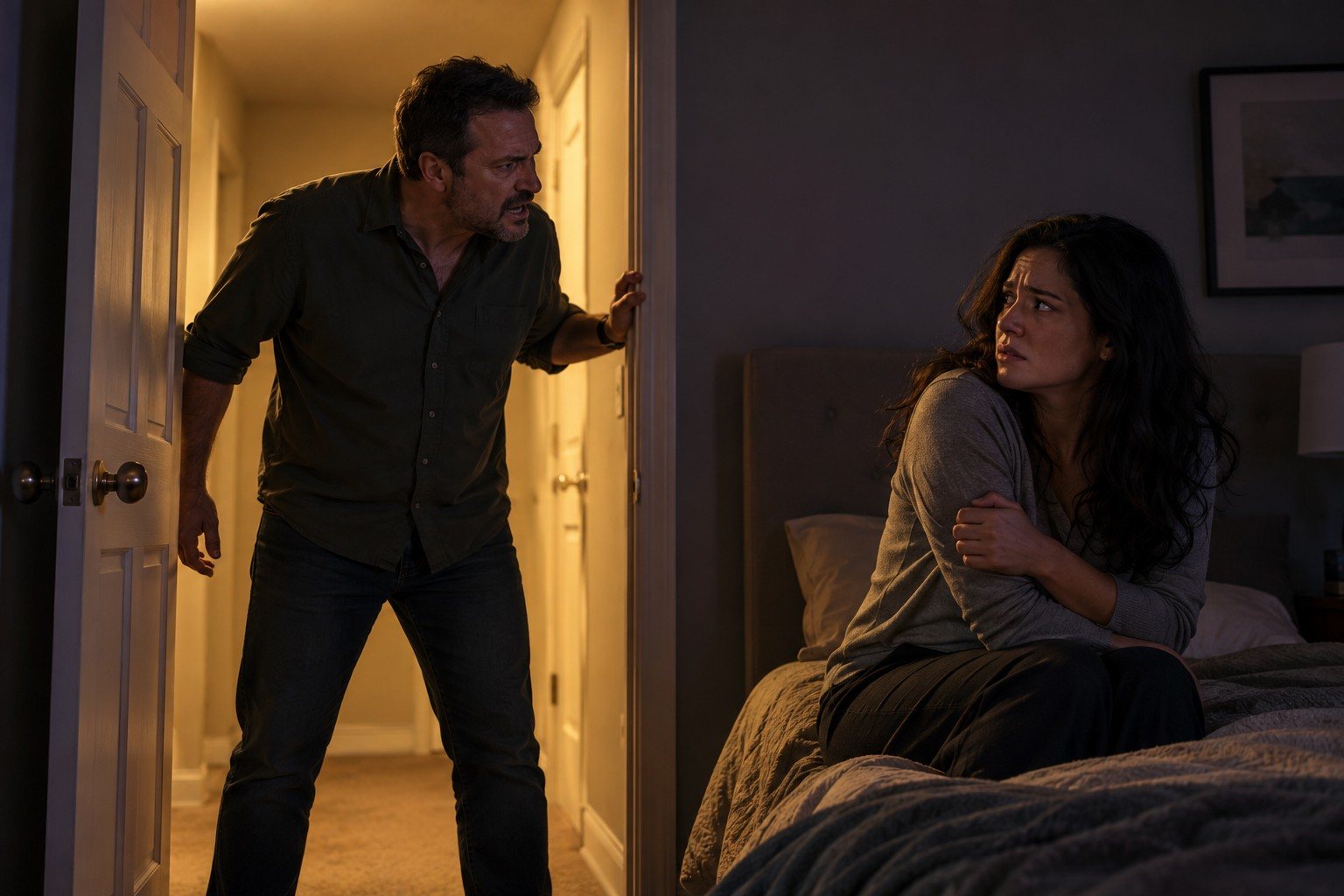
Control of documents is one of the most common parts of abuse. The lease is in their name. The bank account is theirs. Your passport is in a drawer you cannot open. The law expected this. Under INA 204(a)(1)(J) and 8 C.F.R. 204.2(c)(2)(i), USCIS must consider any credible evidence, and it decides how much each piece weighs. This page is about building a record when the usual papers are out of reach.

Three sources that do not depend on the abuser

1. You
Your declaration is evidence. Detail is what gives it weight: dates or close anchors, places, what was said, who was there. Where a document should exist and does not, say why. "The lease was in my spouse's name and I was not allowed to see it" is a fact the officer can weigh.
2. Other people
Statements from people who knew you as a couple, visited the home, saw an injury, heard a threat, or watched you change. Each should say who the writer is, how they know you, and what they saw for themselves.
3. Records you can request in your own name
Many records are kept by someone other than the abuser, and you can ask for them yourself. The list below shows the usual ones.
Records people request

- Medical and counseling recordsFrom any doctor, clinic, hospital, therapist or counselor you saw.A current letter from a counselor or advocate describing what you have reported and what they observe.
- Children's school and medical recordsAddresses, both parents named, notes of concern.A letter from a teacher, counselor or pediatrician.
- Police reports and 911 recordsAny call, by anyone, about the home.If you never called, say why. Fear of the abuser or of immigration is a common reason, and the declaration can explain it.
- Court recordsFamily court, protective-order or criminal files.A clerk's letter that the file cannot be found. If any case involves a charge against you, see arrested or charged first.
- Shelter or advocacy program lettersConfirming services you received.Programs can often confirm services without disclosing details. Ask the advocate what they can provide.
- Your own accountsPhone, email, bank or delivery records in your name showing an address or messages.Describe what you saw if retrieving it is unsafe.
- Vital recordsCertified copies of your marriage certificate, birth certificates and divorce records.Request certified copies from the office that issued the original.
If the abuser took specific documents, read documents the abuser took.
Explaining what is missing

An explained gap is part of the record. An unexplained gap invites a request for evidence. For each element where the usual document is missing, the petition should say what the document would be, who has it, and why you could not get it safely. Then it points to what you are offering instead.
Under 8 U.S.C. 1367(a)(1), DHS, the Justice Department and the State Department may not make an adverse determination of admissibility or deportability using information furnished solely by the abuser or the abuser's family, unless you have been convicted of a crime listed in INA 237(a)(2). That rule is narrower than it sounds. Under USCIS Policy Alert PA-2025-34 (December 22, 2025), USCIS does not apply it to the denial of an I-360, I-751 or I-765V, and 1367 protection ends at naturalization. So if the abuser tries to fill the gaps with their own version, the answer on the petition is a record that explains each gap. See confidentiality.
Do not take risks for paper
No document is worth your safety. Do not search the abuser's things or accounts if it could be discovered. Tell us what exists, and we work out a safer way to get it or prove it. A safety plan is made with a domestic violence advocate. If you are in danger now, call 911.
Read next: evidence, and what makes it good, any credible evidence, writing your declaration, documents the abuser took, or the self-petition overview.
Common questions
I have no police report and no medical records. Can I still file?
Possibly. Under INA 204(a)(1)(J), USCIS must consider any credible evidence and decides its weight. A detailed declaration supported by statements from people who saw the abuse or its effects, and by records you can request, is how many petitions are built.
The abuser has my passport and birth certificate. What do I do?
Do not take risks to get them back. Copies can often be requested from the office that issued them, and some records can be requested in your own name without involving the abuser. Read our page on documents the abuser took, and tell us what is missing.
Should I go through the abuser's papers to find proof of their status?
Not if it puts you at risk. Tell us what you know about their status. We can often establish it through records without contacting the abuser.
Do statements from friends and family count?
Yes. They are credible evidence. They are strongest when each writer says who they are, how they know you, and what they saw or heard themselves, with dates where they can.
The lawyers who will handle your case
One of them calls you back, privately, on your terms.
Talk to a lawyer privately. You decide how we reach you.
Tell us a safe number or email and a safe time, and whether we can leave a message. We never contact the person who hurt you, and we never call from a number or send anything that names this site. The first conversation is free and confidential, in English, Russian, Spanish or Uzbek, with a live interpreter for any other language.