
Any credible evidence
In a VAWA self-petition, USCIS must consider any credible evidence you submit. No single document is required. The rule opens the door to every kind of proof, but USCIS decides how much each piece weighs, so the record still has to be detailed and consistent.
Current as of October 2026. We re-check this page every quarter and after any change in the law.

Most immigration cases ask for specific documents. The VAWA self-petition is different on purpose. Under INA 204(a)(1)(J) and 8 C.F.R. 204.2(c)(2)(i), USCIS must consider any credible evidence relevant to the petition, and the weight it gives that evidence is in its sole discretion. Congress wrote it that way because abusers so often control the papers that ordinary cases depend on.
What the rule does, and what it does not

| The rule does | The rule does not |
|---|---|
| Require USCIS to consider any credible evidence you submit | Promise that any one item will be enough |
| Let you prove an element without the usual document | Excuse an element. Each element still has to be shown |
| Count your own sworn declaration as evidence | Fix the weight of your declaration. USCIS decides weight |
| Allow statements, records and explanations in place of missing papers | Make an unexplained gap disappear. Say why something is missing |
The practical lesson: give the officer more than one kind of proof for each element when you can, explain every gap, and keep every statement consistent with the others.

Building the record element by element

For a spouse, the elements are a good-faith marriage, battery or extreme cruelty during the marriage, having lived with the abuser, good moral character, and the abuser's status (INA 204(a)(1)(A)(iii) and (B)(ii); 8 C.F.R. 204.2(c)(1)(i)). Here is the usual proof for each, and what people use when it is out of reach.
- The abuser's citizenship or permanent residenceA U.S. passport, birth or naturalization certificate, or green card copy.Tell us what you know: where they were born, a ceremony you remember, an old petition they filed. We can often establish status through records without contacting the abuser.
- The marriageA marriage certificate, and divorce records for any earlier marriages.A certified copy from the office that issued it, which you can usually request in your own name.
- Good faithJoint lease, accounts, photos, children's records, statements from people who knew you as a couple.See good-faith marriage for substitutes.
- Shared residenceA lease, mail, IDs or school records at one address.See living with the abuser.
- Battery or extreme crueltyYour declaration, plus police or court records, medical or counseling records, messages, witness statements.Your declaration and statements from people who saw the effects on you. See abuse without violence.
- Good moral characterYour affidavit and police clearances for each place you lived six months or more in the three years before filing (8 C.F.R. 204.2(c)(2)(v)).Proof that you requested the clearance and why it was not issued. See good moral character.
A printable version is on the evidence checklist.
What makes evidence credible
- Detail. Dates, places, names of people who were present, what was said. A general statement that "the abuse happened often" carries less weight than three specific events described well.
- Consistency. Your declaration, your forms and your witnesses should tell the same story. Small differences in memory are normal. Contradictions need an explanation.
- A source. Each statement from another person should say who they are, how they know you, and what they saw for themselves.
- Honesty about gaps. If a document does not exist, or the abuser has it, say so. An explained gap is part of the record. An unexplained one invites a request for evidence.
Information from the abuser
Under 8 U.S.C. 1367(a)(1), DHS, the Justice Department and the State Department may not make an adverse determination of admissibility or deportability using information furnished solely by the abuser or the abuser's family, unless you have been convicted of a crime listed in INA 237(a)(2). That rule is narrower than it sounds. Under USCIS Policy Alert PA-2025-34 (December 22, 2025), USCIS does not apply it to the denial of an I-360, I-751 or I-765V, and 1367 protection ends at naturalization. Under 1367(a)(2), they may not disclose information about your petition to anyone, with limited exceptions. See confidentiality.
Policy changes
We publish a USCIS policy change only after we confirm it on uscis.gov. USCIS rewrote its VAWA policy on December 22, 2025 (PA-2025-33): it requires residence with the abuser during the qualifying relationship and primary evidence of a good-faith marriage where available, for pending and new filings. See changes in the law. For forms and instructions, the authoritative source is the Form I-360 page on uscis.gov.
Read next: evidence, and what makes it good, evidence without documents, writing your declaration, the evidence checklist, or the self-petition overview.
Common questions
Does any credible evidence mean my word is enough?
Your word is evidence, and USCIS must consider it. But under INA 204(a)(1)(J) and 8 C.F.R. 204.2(c)(2)(i), the weight given to each piece of evidence is in USCIS's sole discretion. A detailed declaration supported by even a few other items is stronger than a declaration alone.
Can the abuser send USCIS information against me?
They can try. Under 8 U.S.C. 1367(a)(1), DHS, the Justice Department and the State Department may not make an adverse determination of admissibility or deportability using information furnished solely by the abuser or the abuser's family, unless you have been convicted of a crime listed in INA 237(a)(2). Under USCIS Policy Alert PA-2025-34, USCIS does not apply that rule to the denial of an I-360, I-751 or I-765V. On the petition, your own credible evidence is the answer.
Should I send everything I have?
Send what proves each element, organized so the officer can follow it. Volume does not replace relevance. We build an index that ties every exhibit to the element it supports.
Is there a new USCIS policy on VAWA evidence?
Yes. USCIS rewrote its VAWA policy on December 22, 2025 (Policy Alert PA-2025-33). It requires that you resided with the abuser during the qualifying relationship, and primary evidence of a good-faith marriage where available. It applies to pending and new filings. USCIS still must consider any credible evidence under INA 204(a)(1)(J).
The lawyers who will handle your case
One of them calls you back, privately, on your terms.
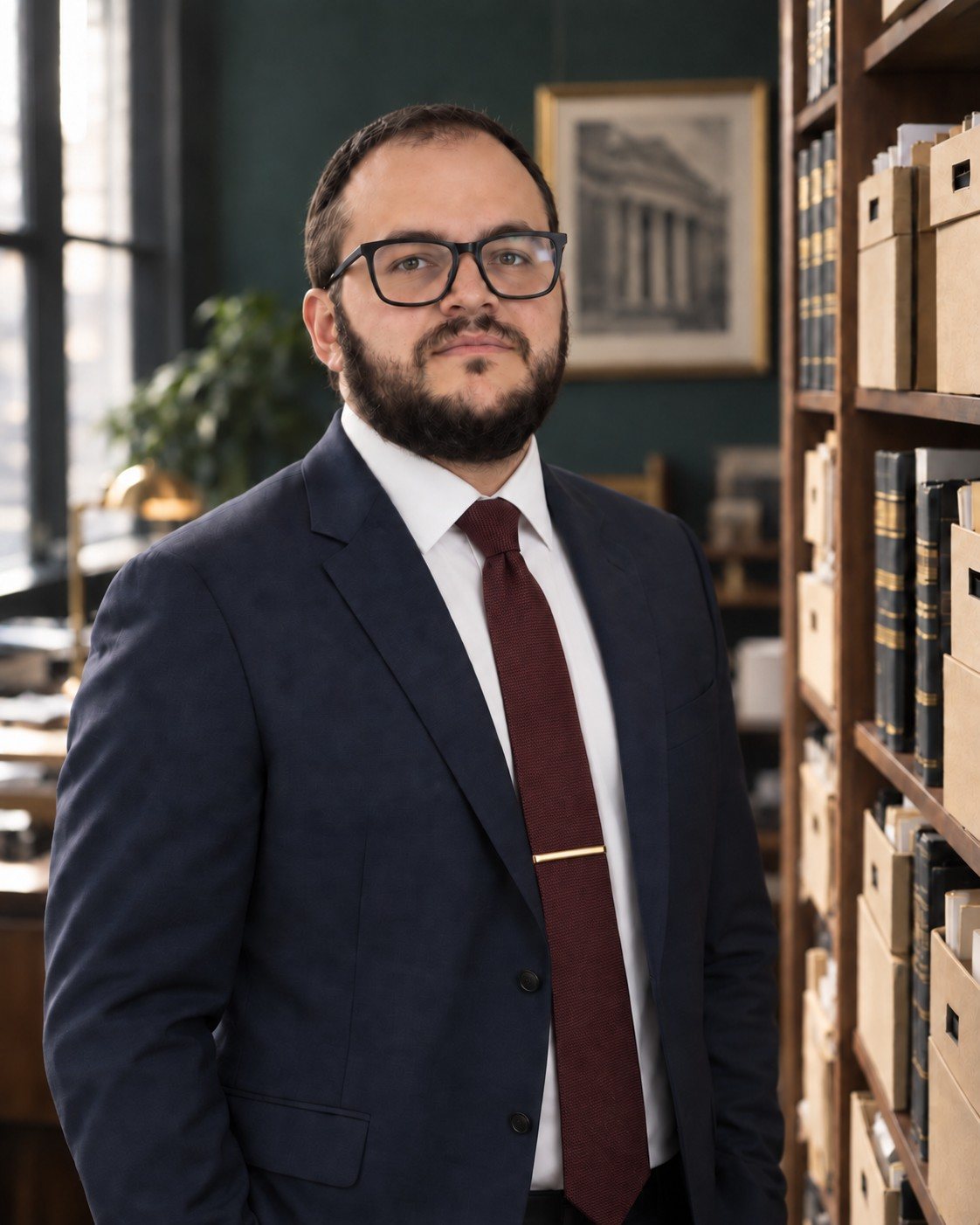
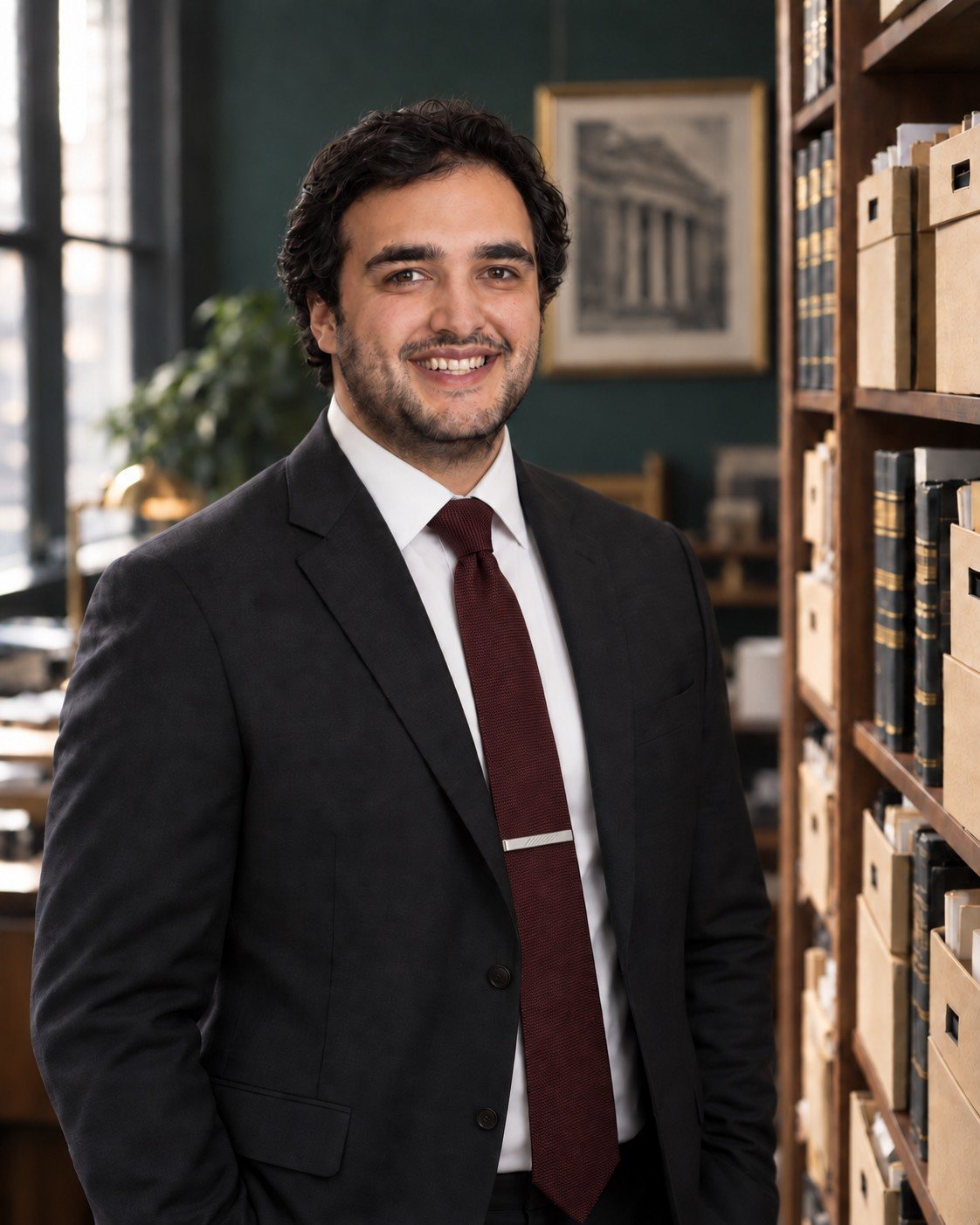
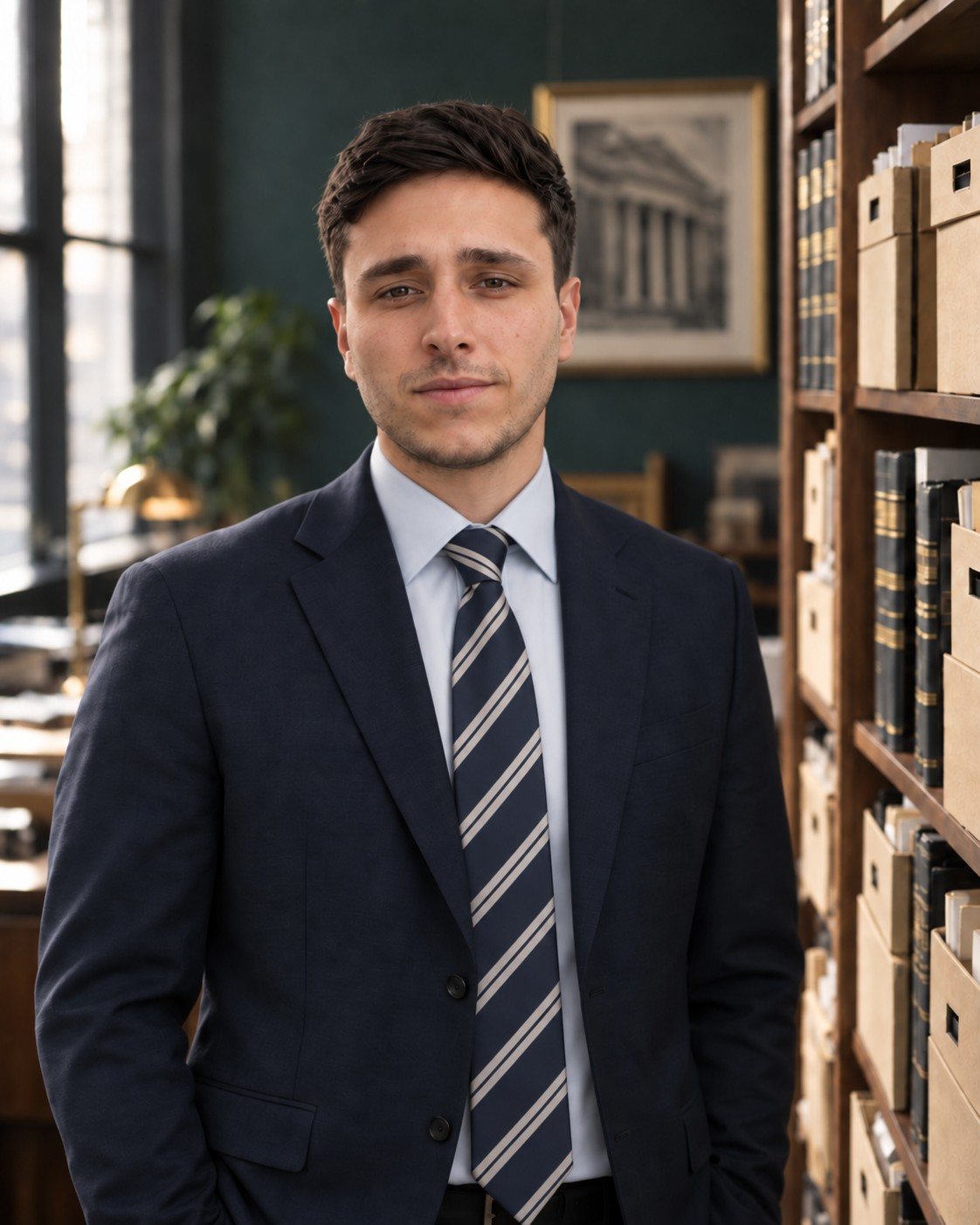
Talk to a lawyer privately. You decide how we reach you.
Tell us a safe number or email and a safe time, and whether we can leave a message. We never contact the person who hurt you, and we never call from a number or send anything that names this site. The first conversation is free and confidential, in English, Russian, Spanish or Uzbek, with a live interpreter for any other language.