
Documents the abuser took
You can file without them. USCIS must consider any credible evidence, under INA 204(a)(1)(J), so a missing passport, marriage certificate or tax return does not end a case. Most papers can be replaced or proved another way, and keeping your papers from you can itself be part of the abuse.
Current as of October 2026. We re-check this page every quarter and after any change in the law.
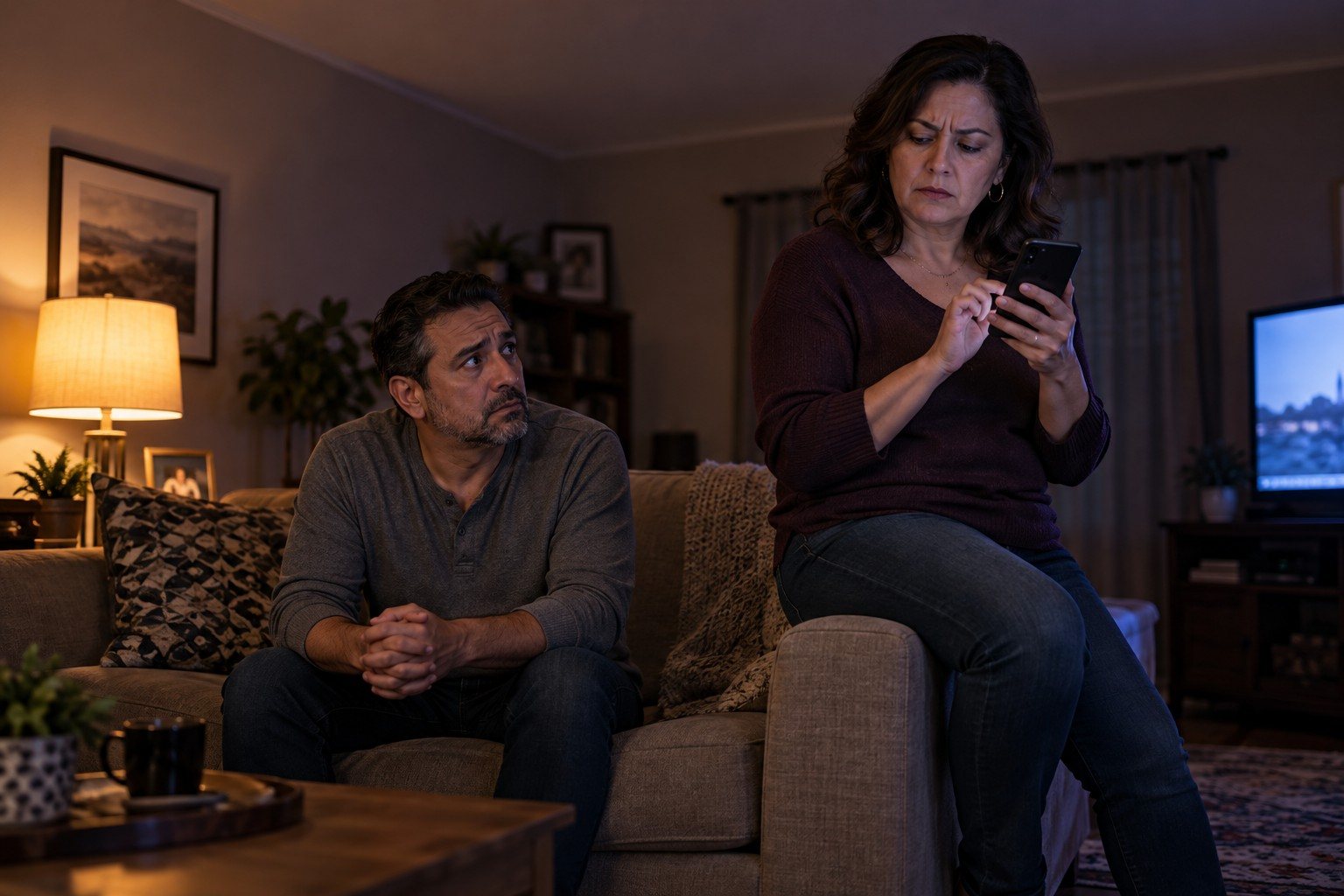
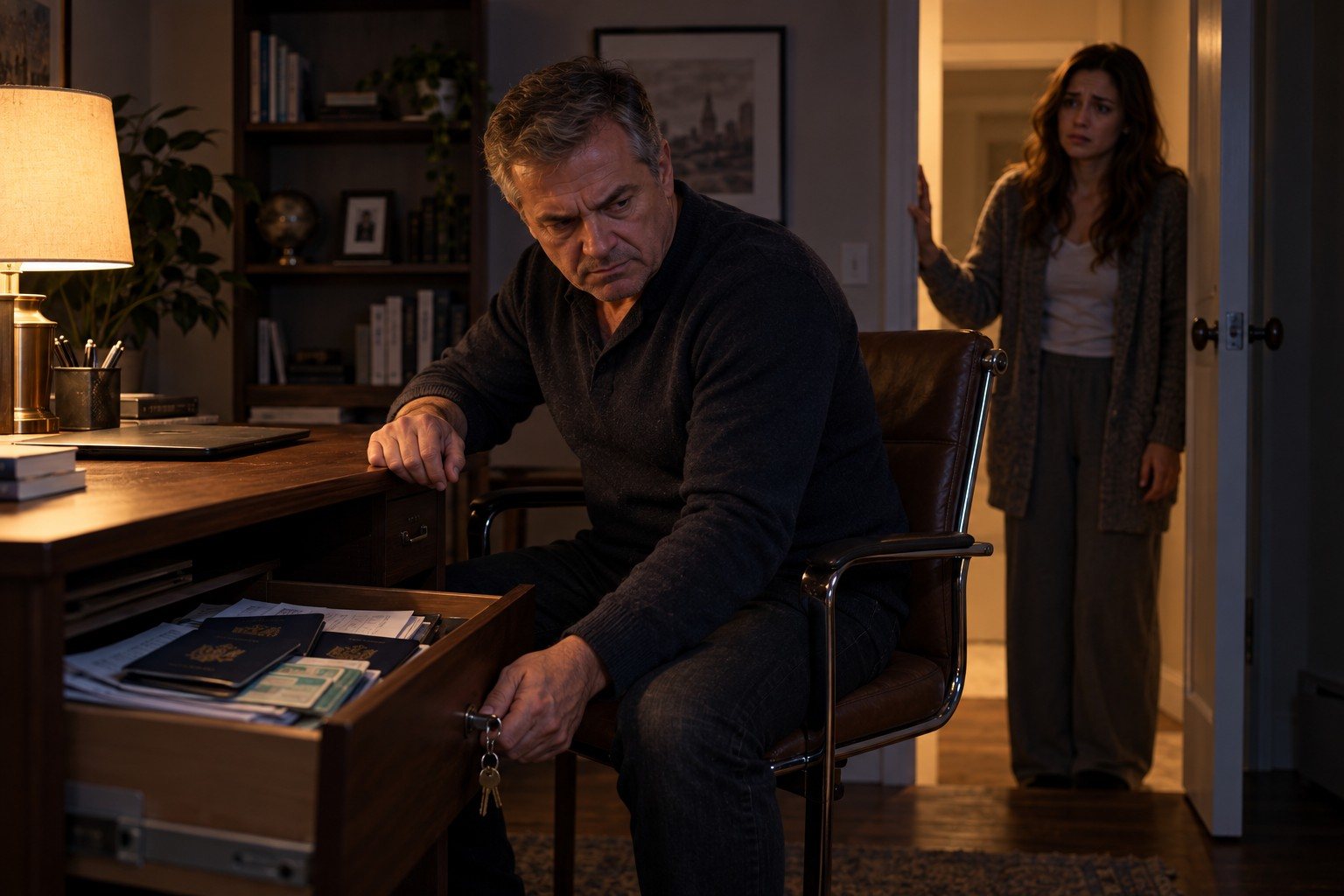
Abusers often hold the papers: the passport, the green card application, the marriage certificate, the lease, the joint tax return. Sometimes that is the whole point. The law was written with this in mind. You do not need the abuser's documents, or the abuser's help, to file a self-petition.
Under INA 204(a)(1)(J) and 8 C.F.R. 204.2(c)(2)(i), USCIS must consider any credible evidence, and the weight it gives each item is in its sole discretion. Our job is to make the record as strong as it can be with what you can reach safely. For more, see any credible evidence and evidence without documents.
What is usually missing, and what to use instead

- Your passport or IDIt proves who you are and your nationality.Your country's consulate can usually issue a replacement. Copies or photos you kept, or an old ID, help in the meantime.
- The marriage certificateIt proves the marriage.Request a new certified copy from the office that recorded the marriage. A lawyer can request it for you.
- Proof of the abuser's citizenship or green cardIt shows the relationship qualifies.Tell us what you know: a birthplace, a naturalization date, a card you saw, an earlier petition they filed for you. Government records can sometimes fill the gap.
- Proof you lived togetherA lease, mail, bills, a joint account.Letters from neighbors, relatives or a landlord; a child's school records with the home address; photographs at home; your own detailed account.
- Proof the marriage was realJoint papers, photos, travel, children's birth certificates.Statements from people who knew you as a couple; messages; your account of how you met and lived. See good faith marriage.
- Earlier immigration filingsReceipt notices from a petition the abuser filed.Your lawyer can work from the dates and details you remember. Under 8 C.F.R. 204.2(h)(2), that earlier priority date can carry to your self-petition.
Good moral character has its own list
The usual evidence is your own affidavit plus police clearances for each place you lived for six months or more in the three years before filing, under 8 C.F.R. 204.2(c)(2)(v). You can request your own clearances; you do not need anything from the abuser. See good moral character.
Taking your papers can be part of the abuse

Under 8 C.F.R. 204.2(c)(1)(vi), battery or extreme cruelty includes psychological abuse and acts that may not seem violent on their own but are part of an overall pattern of violence. Hiding or destroying your documents, refusing to file for you, or holding your status over you can belong in that pattern. In Da Silva v. Attorney General, 948 F.3d 629 (3d Cir. 2020), the opinion records that the husband refused to file immigration paperwork for his wife and used her status to control her. That person is not our client; the case is on real cases.
Describe it in your declaration: what was taken, when, and what was said about it. See the declaration checklist.
Keep what you gather somewhere safe

Each new copy is one more thing the abuser could find. Keep originals with your lawyer or a person you trust, not at home and not in a shared cloud account. See the safe filing checklist.
Do not put yourself at risk for a document
Make any plan to collect belongings with an advocate. The National Domestic Violence Hotline answers at 1-800-799-7233, or text START to 88788. In Florida, the statewide Florida Domestic Violence Hotline answers at 1-800-500-1119. In danger now, call 911.
Read next: the evidence checklist, evidence without documents, any credible evidence, or confidentiality.
Common questions
Do I need my marriage certificate to file?
You need to show the marriage, and the certificate is the usual way. If the abuser has it, a new certified copy can usually be requested from the office that recorded the marriage. If that is not possible, USCIS must consider any credible evidence under INA 204(a)(1)(J) and 8 C.F.R. 204.2(c)(2)(i), and decides how much weight it gets.
Should I go back to the house to get my papers?
Not without a safety plan made with an advocate. No document is worth your safety, and most can be replaced. Tell your lawyer what is missing; we work out what to request and from whom.
The abuser filed papers for me once, but I have none of them. Does that matter?
It can help. Under 8 C.F.R. 204.2(h)(2), a priority date from an earlier I-130 the abuser filed for you can carry over to your self-petition. Tell us anything you remember: roughly when it was filed, where you lived, any notice you saw.
The lawyers who will handle your case
One of them calls you back, privately, on your terms.
Talk to a lawyer privately. You decide how we reach you.
Tell us a safe number or email and a safe time, and whether we can leave a message. We never contact the person who hurt you, and we never call from a number or send anything that names this site. The first conversation is free and confidential, in English, Russian, Spanish or Uzbek, with a live interpreter for any other language.