
Real cases from the published record
These are published decisions of federal courts of appeals, summarized from the opinions themselves, with a link to each. None of these people is our client, and none of these outcomes predicts yours. They are here because they show, in a judge's words, what the law has recognized as abuse.
Current as of October 2026. We re-check this page every quarter and after any change in the law.
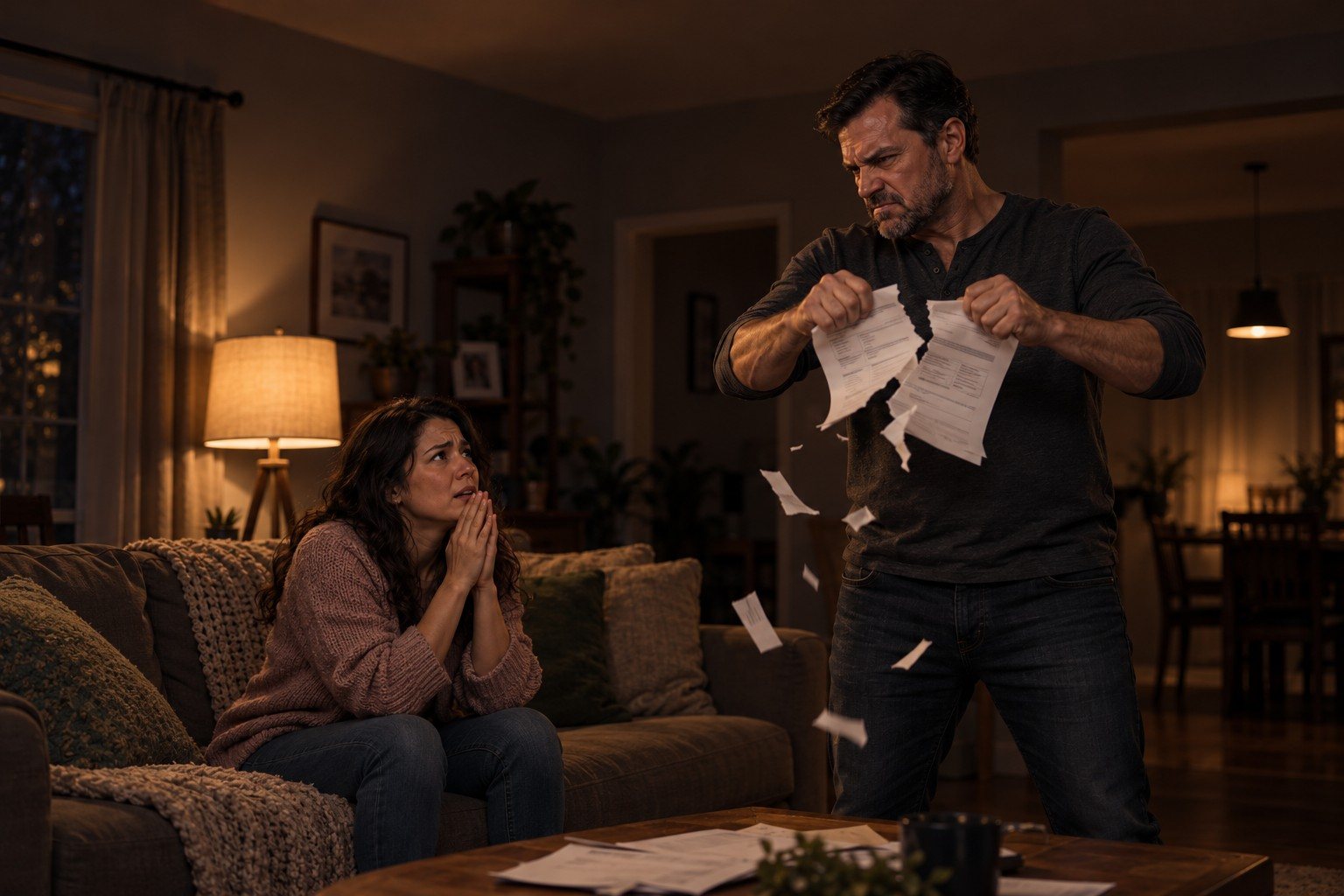
Every summary below says only what the opinion says. Where the court sent the case back to the agency, we say so, because a remand is not a final win. Read each opinion at the link if you want the whole of it. For what these decisions mean in practice, see battery or extreme cruelty and abuse without violence.
Hernandez v. Ashcroft, 345 F.3d 824 (9th Cir. 2003)
Not our client. Abuse that continues through apology and persuasion.
What happened, as the opinion states it. While living in Mexico, Ms. Hernandez suffered life-threatening violence from her husband, a permanent resident of the United States. She fled to the United States. He found her, promised not to hurt her again, and begged her to return to Mexico with him. After she returned, the physical abuse began again. She escaped for good and applied for suspension of deportation under VAWA 1994. The Board of Immigration Appeals denied it, finding no battery or extreme cruelty in the United States, as the statute then required.
What the court held. The abuser's conduct in the "contrite" phase of the cycle of violence can be, and here was, extreme cruelty. The court explained that non-physical actions are domestic violence when tactics of control are intertwined with the threat of harm. Petition granted and remanded.
Lopez-Birrueta v. Holder, 633 F.3d 1211 (9th Cir. 2011)
Not our client. A parent applying because her children were abused.
What happened, as the opinion states it. Ms. Lopez-Birrueta was never married to her children's father, a permanent resident. She applied for VAWA cancellation as the parent of children battered by a permanent resident parent. She testified, and the immigration judge found her credible, that while they lived together he struck the young children regularly, and that he threatened her, kept her from talking with others, and threatened to alert immigration officials if she disobeyed him. The Board held that what happened to the children was not "battery."
What the court held. She showed that her children had been battered within the meaning of 8 U.S.C. 1229b(b)(2)(A)(i)(II). The court added that it did not matter that the children now love their father and that he no longer strikes them: the statute protects anyone who "has been" battered. Petition granted and remanded for the remaining requirements.
Da Silva v. Attorney General, 948 F.3d 629 (3d Cir. 2020)
Not our client. A conviction connected to the abuse.
What happened, as the opinion states it. Ms. Da Silva married a U.S. citizen serving in the armed forces. The opinion records that he subjected her to emotional, psychological and physical abuse; refused to file immigration paperwork for her and used her undocumented status to control her; and pushed her against a wall more than once. The immigration judge and the Board found his adultery to be part of the extreme cruelty. During two confrontations about the affair she struck the other woman, and she later pleaded guilty to assault. The Board held that the convictions were not "connected to" the extreme cruelty, which left her unable to show good moral character for VAWA cancellation.
What the court held. "Connected to" is unambiguous and means having a causal or logical relationship. Her convictions met that standard. Petition granted, removal order vacated, case remanded.
If you have been arrested or charged with anything, talk to your criminal lawyer before you write anything down about the abuse. Read arrested or charged.
Ruiz v. U.S. Attorney General, 73 F.4th 852 (11th Cir. 2023)
Not our client. Emotional abuse with almost no physical violence.
What happened, as the opinion states it. Ms. Ruiz married Mr. Blanco shortly after arriving in the United States. About a year later she was diagnosed with breast cancer. She testified that after her diagnosis he became rude and obnoxious, and that after her mastectomy he grabbed her arm, forced her in front of a mirror and told her she was no longer a woman to him. He then filed for divorce and sought a restraining order against her. She reported post-traumatic stress disorder. The immigration judge denied VAWA cancellation because there was no indication of physical violence or physical harm, and the Board affirmed.
What the court held. "Extreme cruelty" does not require proof of physical abuse; proof of mental or emotional abuse is enough. Petition granted in part and remanded for the Board to apply the correct standard. The court issued this opinion on July 5, 2023, in place of an earlier version.
What these cases do and do not show

- They show that courts have read "battery or extreme cruelty" to include control, threats about immigration status, emotional abuse, and abuse of a child.
- They do not show that any particular case will be approved. Each turned on its own record. Most were sent back to the agency, not decided outright.
- They are court cases about relief in removal proceedings. The self-petition at USCIS uses a similar definition under 8 C.F.R. 204.2(c)(1)(vi). See the VAWA self-petition and VAWA cancellation.
We add a case here only after reading the opinion itself. We do not publish stories about our own clients, and we never invent or combine stories.
Read next: battery or extreme cruelty, threats of deportation, VAWA in immigration court, or changes in the law.
Common questions
Are these the firm's cases?
No. Every case on this page is a published court decision in which Usher Law Group did not appear. We do not publish stories about our own clients, and we never invent or combine stories. Each summary is taken from the opinion, and each links to it.
These are court cases. Do they apply to a self-petition at USCIS?
Three of the four are VAWA cancellation of removal cases under INA 240A(b)(2), and one is the older VAWA suspension of deportation. They interpret the same phrase, battered or subjected to extreme cruelty, that the self-petition uses, and USCIS uses a similar regulatory definition at 8 C.F.R. 204.2(c)(1)(vi). How much a court decision matters in a USCIS case depends on the issue and the circuit, which is a question for your lawyer.
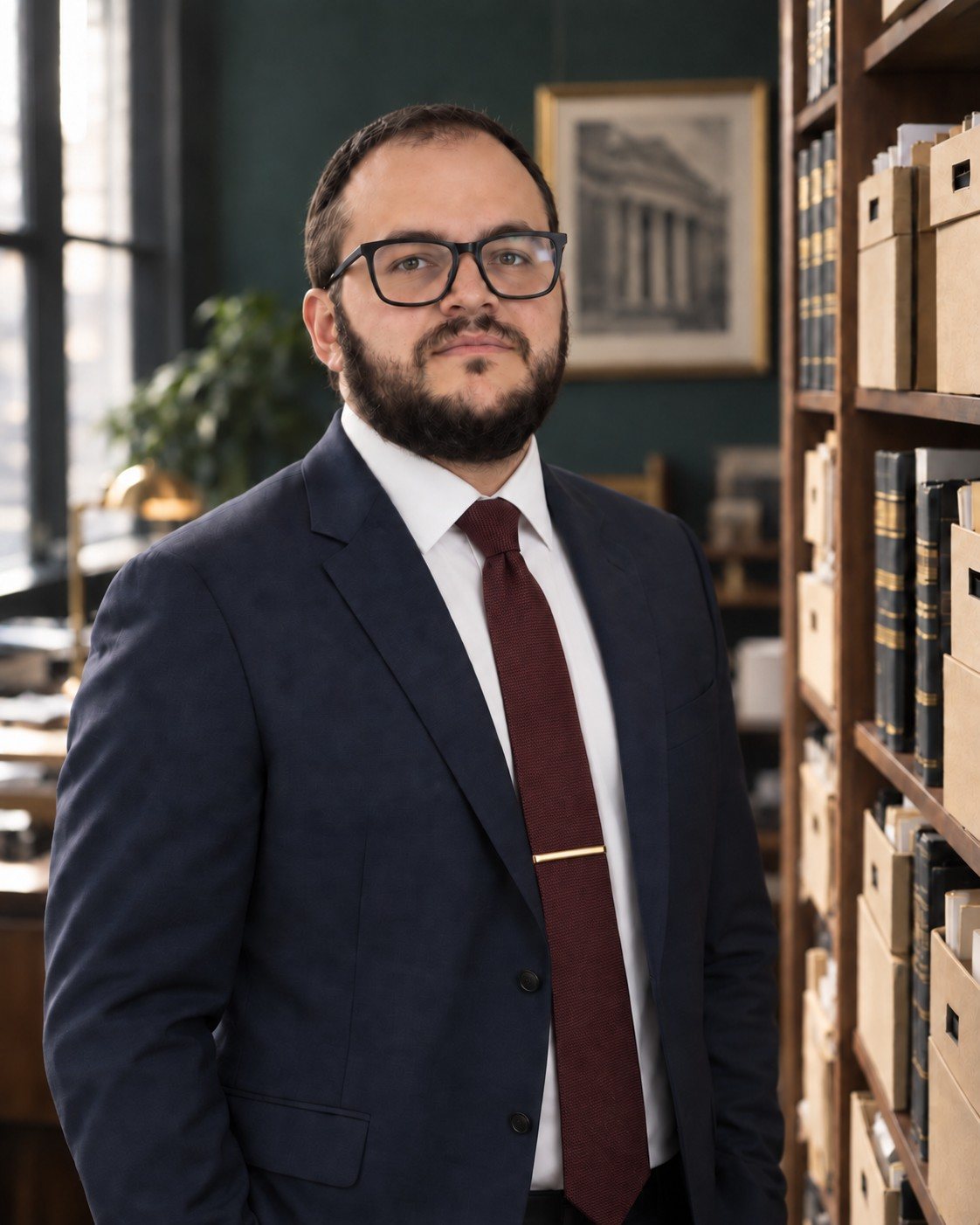
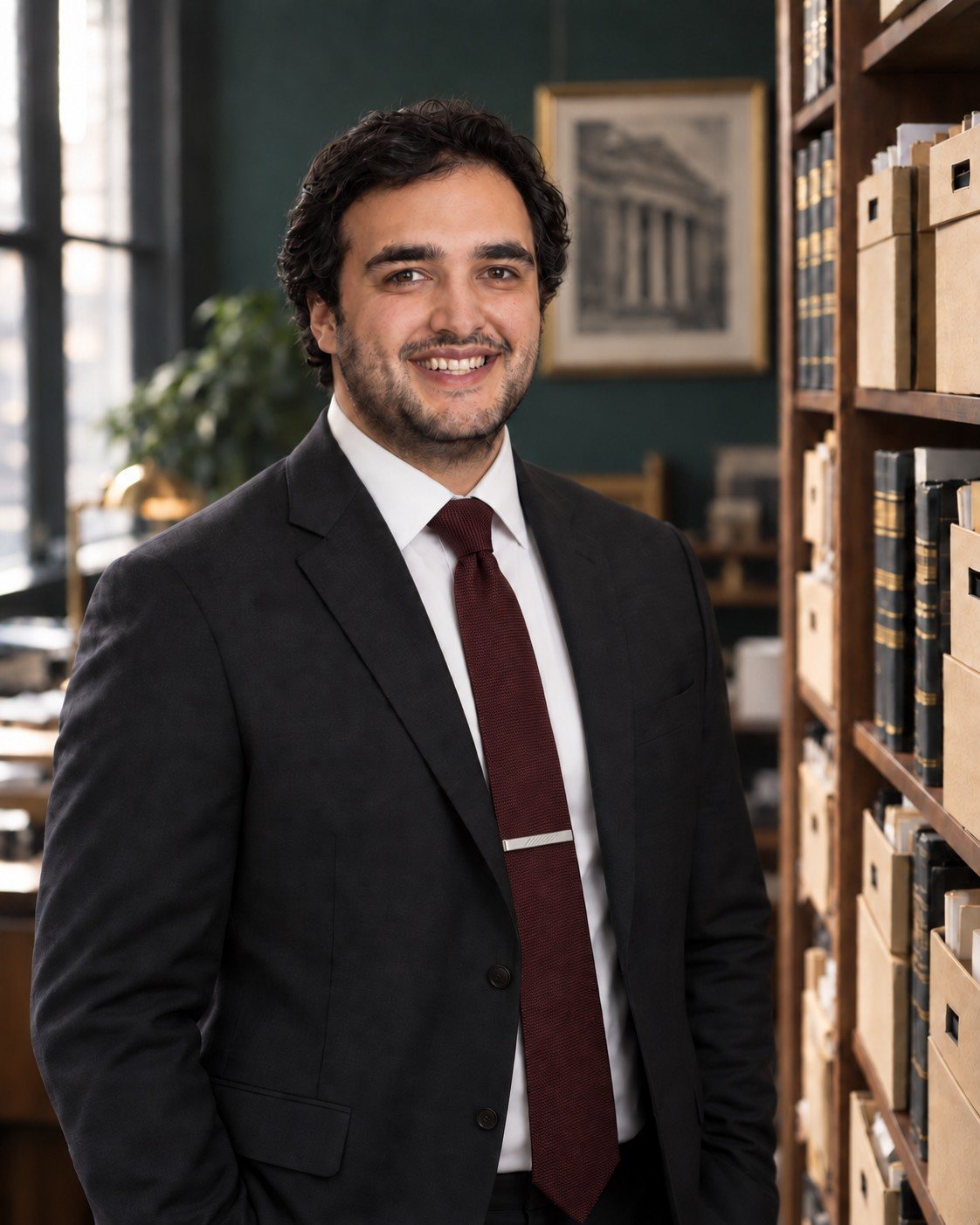
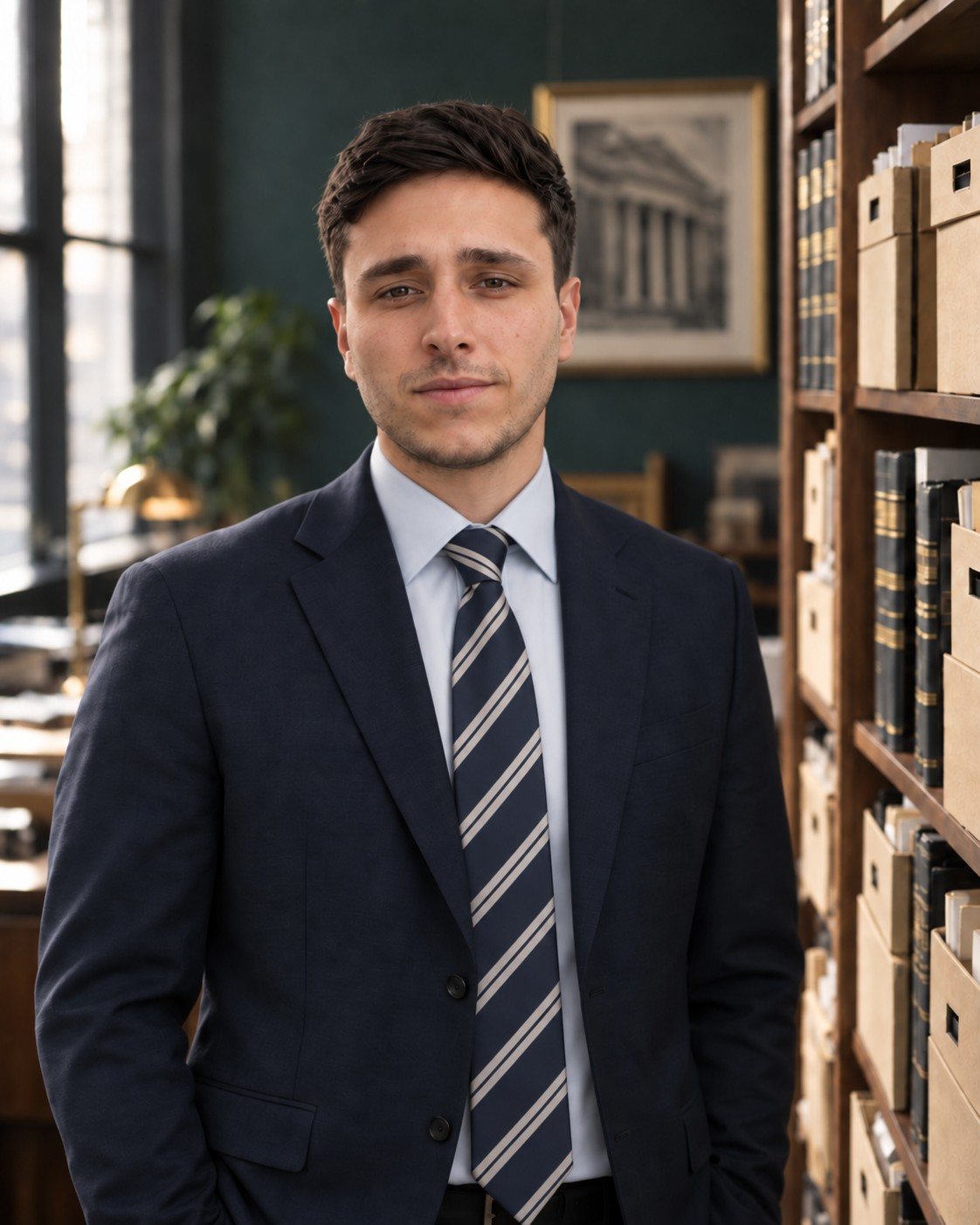
The lawyers who will handle your case
One of them calls you back, privately, on your terms.
Talk to a lawyer privately. You decide how we reach you.
Tell us a safe number or email and a safe time, and whether we can leave a message. We never contact the person who hurt you, and we never call from a number or send anything that names this site. The first conversation is free and confidential, in English, Russian, Spanish or Uzbek, with a live interpreter for any other language.