
Survivors living outside the United States
You may file a self-petition from outside the United States only in three situations: the abuser is a U.S. government employee or a member of the uniformed services, or the abuse happened in the United States. Separately, if you are in the United States when you file, a home you shared abroad can count toward the shared-residence element.
Current as of October 2026. We re-check this page every quarter and after any change in the law.
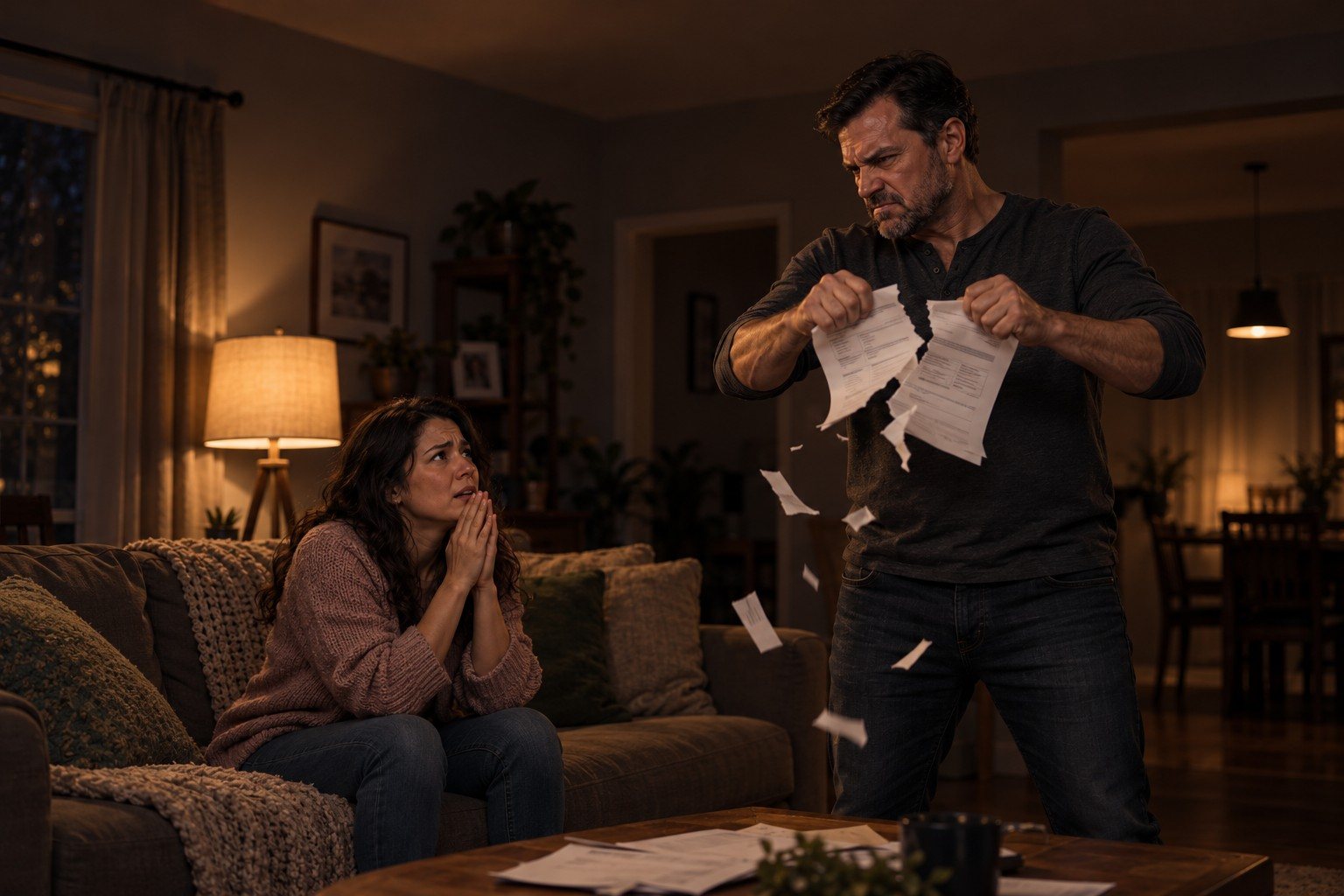
Some survivors are outside the United States when they first read about VAWA. Some left to escape. Some were taken abroad by the abuser. Some married and lived only abroad. Each of these raises two separate questions: can you file from where you are, and does the time you lived with the abuser count. This page answers both with what we can cite, and says plainly what we do not publish.
Filing from outside the United States

Under INA 204(a)(1)(A)(v) and (B)(iv), a self-petitioner may file from outside the United States only in these situations:
| You may file from abroad if | Authority |
|---|---|
| The abuser is an employee of the U.S. government | INA 204(a)(1)(A)(v), (B)(iv) |
| The abuser is a member of the uniformed services | INA 204(a)(1)(A)(v), (B)(iv) |
| The abuse happened in the United States | INA 204(a)(1)(A)(v), (B)(iv) |
The last one matters most for people who left. If the abuse took place here, leaving the country to be safe does not by itself close this door. Timing and the other elements still apply, and we review them with you.
Abused parents of U.S. citizens. The statute's abroad clause names spouses and children. USCIS policy applies the same three situations to a parent abused by a U.S. citizen son or daughter, and says there is no statutory requirement that a self-petitioning parent live in the United States (3 USCIS-PM D.2, footnote 175, as of October 2026). That rests on USCIS policy rather than the statute's words. See abused parents and filing from abroad and filing VAWA from abroad.
After approval, a person who will apply for an immigrant visa abroad does not adjust status here: USCIS forwards the approved I-360 to the National Visa Center for consular processing (3 USCIS-PM D.2(H), D.5(D)(2); 8 C.F.R. 204.2(c)(3)(i), (e)(3)(i), as of October 2026).
A home you shared abroad
The shared-residence element asks whether you lived with the abuser during the marriage (INA 204(a)(1)(A)(iii)(II)(dd), (B)(ii)(II)(dd)). There is no minimum period. If you are in the United States when you file, the shared residence can have been in or outside the United States. A visit while you lived somewhere else does not count (USCIS Policy Manual Vol. 3, Part D, ch. 2). USCIS rewrote its VAWA policy on December 22, 2025 (PA-2025-33) to require residence during the qualifying relationship, and it applies to pending and new filings. See living with the abuser.
Evidence from another country works the same way as evidence from here. Under INA 204(a)(1)(J), USCIS must consider any credible evidence: records from the place you lived, statements from neighbors or family there, photos, and your own declaration. Documents in another language are translated. See evidence without documents.
Other timing rules still apply

- A former spouse may file within 2 years after the marriage ended, if the end of the marriage is connected to the abuse (INA 204(a)(1)(A)(iii)(II)(aa)(CC)(ccc); 204(a)(1)(B)(ii)(II)(aa)(CC)(bbb)). See the two-year rule.
- An abused child who turned 21 may file until age 25 if the abuse was at least one central reason for the delay (INA 204(a)(1)(D)(v)). See abused child.
Working with us from abroad

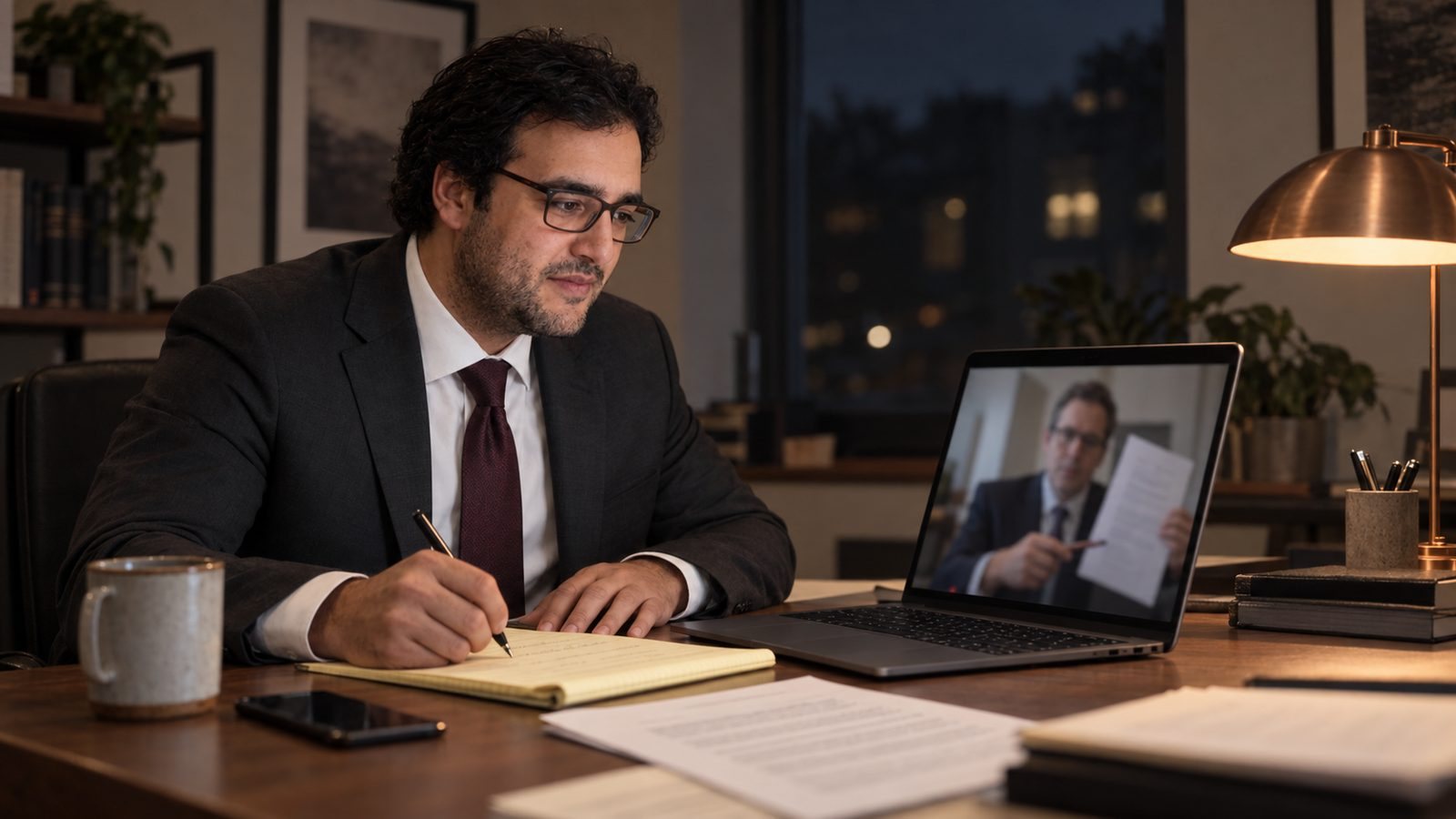
The self-petition is a federal filing. We work with clients by phone and video, at times that are safe for you, in English, Russian, Spanish and Uzbek in-house, and with live interpretation otherwise. The filing address and instructions are on the Form I-360 page on uscis.gov. We do not reprint them, because they change.
Under 8 U.S.C. 1367(a)(2), the U.S. government may not disclose information about your petition to anyone, with limited exceptions. That rule binds U.S. agencies. It does not reach what the abuser or the abuser's family may do abroad, so plan how we contact you with care. See confidentiality and staying safe online.
If you are in danger
In the United States, call 911. Outside the United States, call the local emergency number where you are. A safety plan is made with a domestic violence advocate.
Read next: living with the abuser, who qualifies, the two-year rule, or the self-petition overview.
Common questions
I left the United States to get away from the abuser. Can I still file?
Possibly. You may file from outside the United States if the abuse happened in the United States, or if the abuser is a U.S. government employee or a member of the uniformed services, under INA 204(a)(1)(A)(v) and (B)(iv). We review the facts and the timing with you.
We only ever lived together abroad. Does that count?
If you are in the United States when you file, yes: the shared residence can have been in or outside the United States, with no minimum period, as long as it was during the marriage (USCIS Policy Manual Vol. 3, Part D, ch. 2). If you file from abroad, we review how the rule applies to you. Whether you can file from abroad at all is a separate question, answered by the exceptions above.
Can you represent me if I am not in the United States?
The self-petition is a federal filing, and we work with clients by phone and video, in English, Russian, Spanish and Uzbek in-house, and with live interpretation otherwise. Tell us where you are and what time is safe to talk.
What happens after approval if I am abroad?
If you will apply for an immigrant visa abroad, USCIS forwards the approved I-360 to the National Visa Center, and the case continues through consular processing rather than adjustment of status (3 USCIS-PM D.5(D)(2), as of October 2026). The prima facie notice used for public benefits is not issued on a petition filed from abroad. We explain the consular steps at the consultation.
The lawyers who will handle your case
One of them calls you back, privately, on your terms.
Talk to a lawyer privately. You decide how we reach you.
Tell us a safe number or email and a safe time, and whether we can leave a message. We never contact the person who hurt you, and we never call from a number or send anything that names this site. The first conversation is free and confidential, in English, Russian, Spanish or Uzbek, with a live interpreter for any other language.