
PA-2025-34 and the limits of VAWA confidentiality
8 U.S.C. 1367 still bars federal officials from disclosing your VAWA filing and from deciding against you on the abuser's word alone. On December 22, 2025, USCIS said in PA-2025-34 that it reads the second rule narrowly, and that the protection ends when you naturalize.
Current as of October 2026. We re-check this page every quarter and after any change in the law.
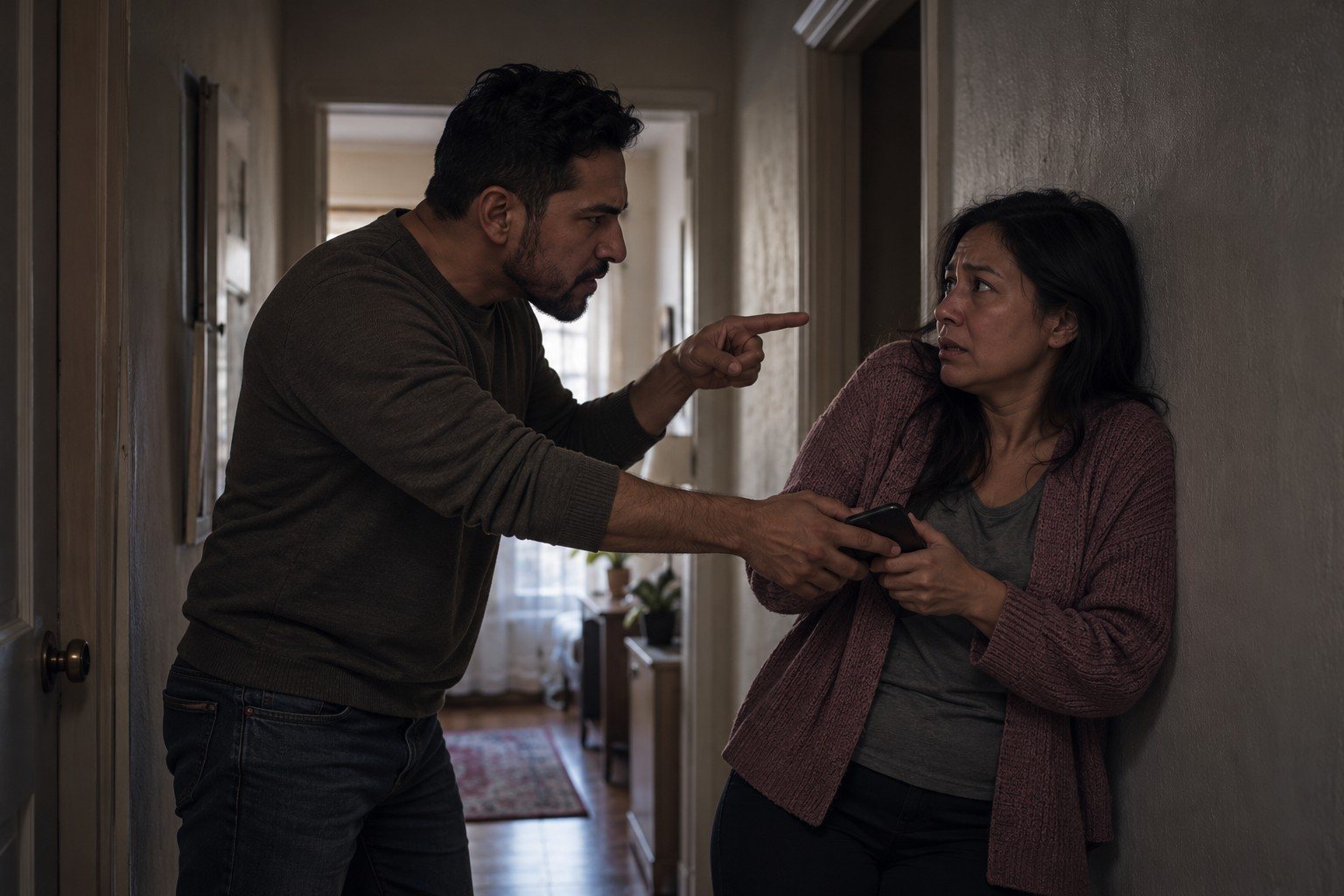
This post is dated October 26, 2026. It is about USCIS Policy Alert PA-2025-34, issued on December 22, 2025, which updated the Policy Manual at Volume 1, Part A, chapter 7. The alert does not change the statute. It changes how USCIS says it will apply the statute. The source is the alert itself, listed on the Policy Manual updates page.
What 8 U.S.C. 1367 still does

The statute has two main rules, and both still stand.
- Nondisclosure. Under 8 U.S.C. 1367(a)(2), DOJ, DHS and State may not use or disclose information about a person with a VAWA, T, U or VAWA cancellation application to anyone. The exceptions are sworn DHS, DOJ and State officers and employees acting for legitimate agency purposes, and the uses listed in 1367(b)(1) to (8): census-type uses, law enforcement, judicial review, a waiver by all adult survivors in the case, benefit agencies under 8 U.S.C. 1641(c), congressional oversight, referrals to victim-services providers with consent, and national security.
- The abuser's word alone. Under 8 U.S.C. 1367(a)(1), those agencies may not make an adverse determination of admissibility or deportability using information that comes solely from the abuser, or from a family member in the household who abused you or your child with the abuser's consent or acquiescence. The exception: the rule does not apply if you have been convicted of a crime listed in INA 237(a)(2).
A violation can lead to disciplinary action and a civil penalty of up to $5,000 per violation (statutory amount), under 8 U.S.C. 1367(c).
The three limits in PA-2025-34
1. The abuser-information rule covers only admissibility and deportability
USCIS says the 1367(a)(1) rule applies only when DHS makes an adverse admissibility or deportability determination. It says the rule does not cover, for example, the denial of an I-360, an I-751 or an I-765V. In our reading, that means if the abuser sends USCIS a letter about your marriage, USCIS reads the rule as not barring it from weighing that letter in deciding the petition itself.
2. Waivers are not considered in the conviction exception
The abuser-information rule does not apply if you have a conviction listed in INA 237(a)(2). USCIS says that when it applies that exception, it does not consider whether a waiver is available for the conviction. If you have any arrest or conviction, read arrested or charged and talk to your criminal lawyer before you write anything down.
3. Protection ends at naturalization
The statute says protection ends when the application is denied and all appeals are exhausted. USCIS now also treats 1367 protection as ending when you naturalize.
What this means in practice
Nondisclosure is untouched. The abuser is still not told that you filed, and nothing in PA-2025-34 adds the abuser to the list of people who may receive your information.
What changed is the shield against the abuser's version of events in the petition itself. The answer to that is evidence. USCIS must consider any credible evidence under INA 204(a)(1)(J). Your declaration, records and statements from people who saw what happened are how you answer an abuser's story. See any credible evidence.
What 1367 never did
In our reading, 1367 does not stop anyone from calling ICE, and it does not bind a state family court or criminal court. Subsection (a) is addressed to DOJ, DHS and State officials and employees. That was true before PA-2025-34 and is still true. See if the abuser called ICE.
A related rule sits in INA 239(e). If an enforcement action leading to removal proceedings took place at a domestic violence shelter, a victim services provider, a family justice center or certain other protected places, or at a courthouse in connection with a protection-order, custody or similar case, the Notice to Appear must state that 1367 was complied with. See enforcement at protected places.
Questions about how this touches your own case are for a private consultation at (718) 484-7510.
Read next: confidentiality, will my abuser find out, or changes in the law.
Common questions
Can USCIS deny my I-360 because of what the abuser told them?
Under PA-2025-34, USCIS applies the 8 U.S.C. 1367(a)(1) rule against decisions based solely on the abuser's information only to adverse admissibility and deportability determinations. It says the rule does not cover, for example, the denial of an I-360, I-751 or I-765V. That makes your own evidence more important, not less.
Does the abuser get told that I filed?
Federal officials may not disclose information about your VAWA filing to anyone, under 8 U.S.C. 1367(a)(2), except sworn DHS, DOJ and State officers and employees for legitimate agency purposes and the limited uses listed in 1367(b). The abuser is not on that list.
When does the protection end?
Under 8 U.S.C. 1367, protection ends when the application is denied and all appeals are exhausted. Under PA-2025-34, USCIS also treats it as ending when you naturalize.
The lawyers who will handle your case
One of them calls you back, privately, on your terms.
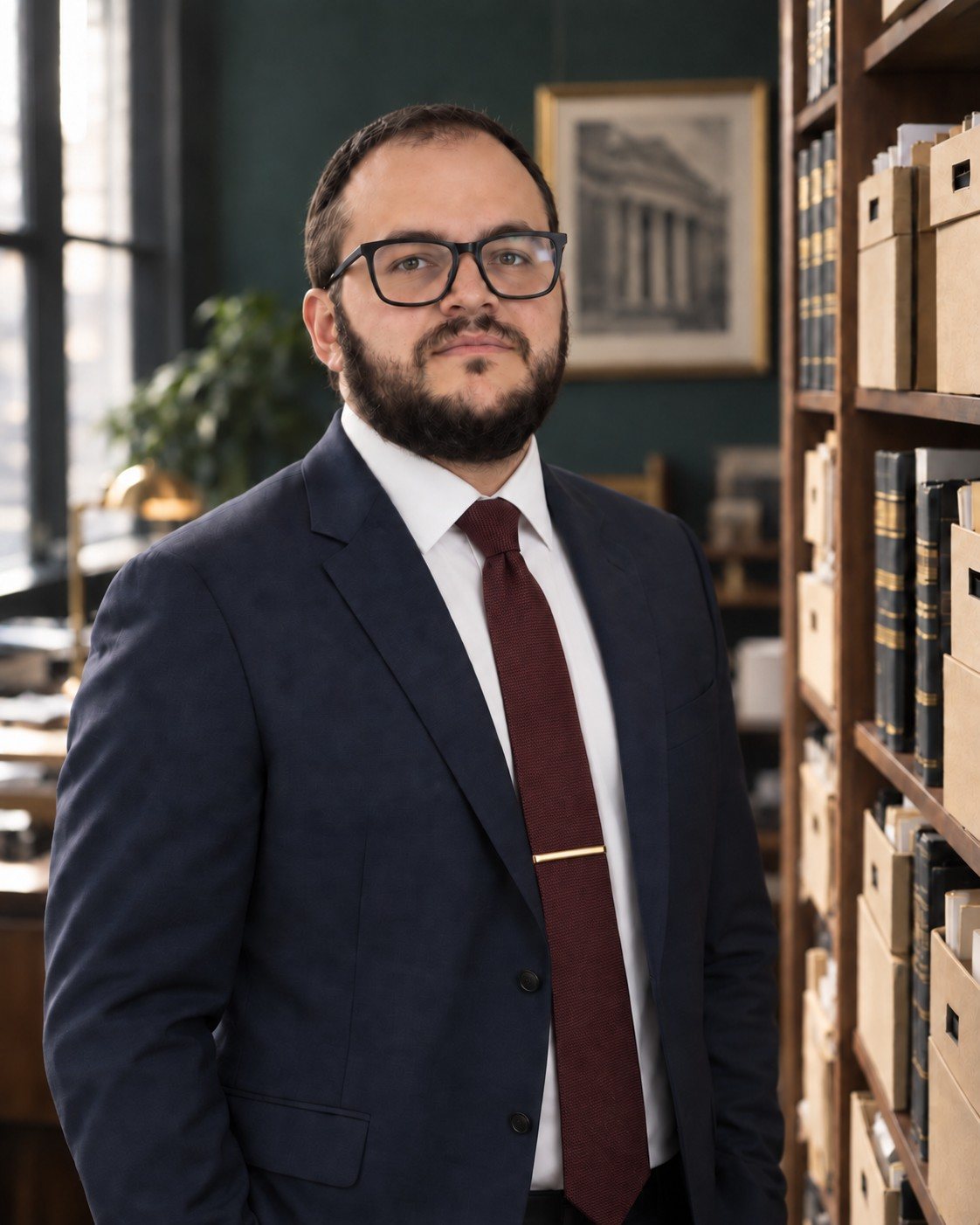
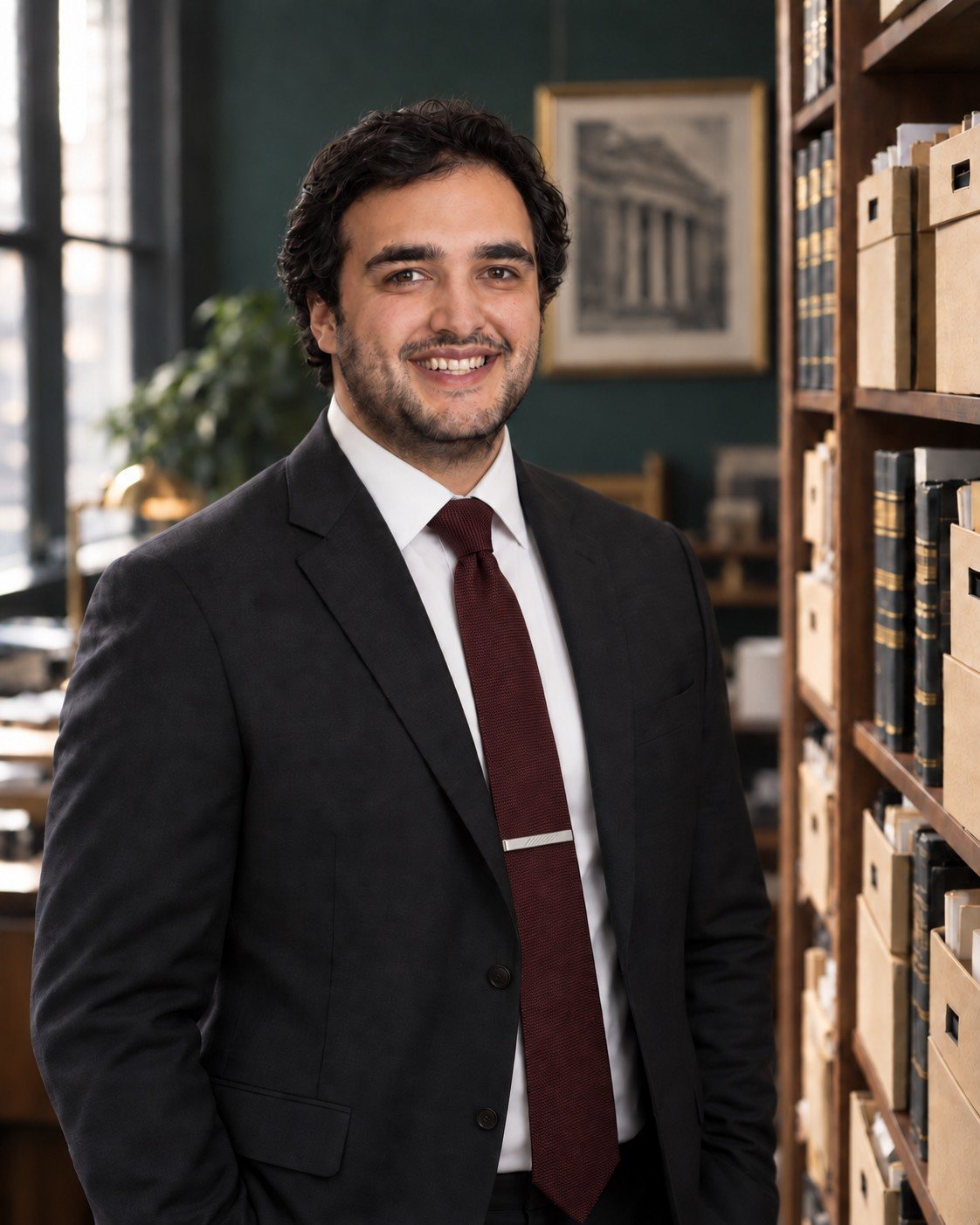
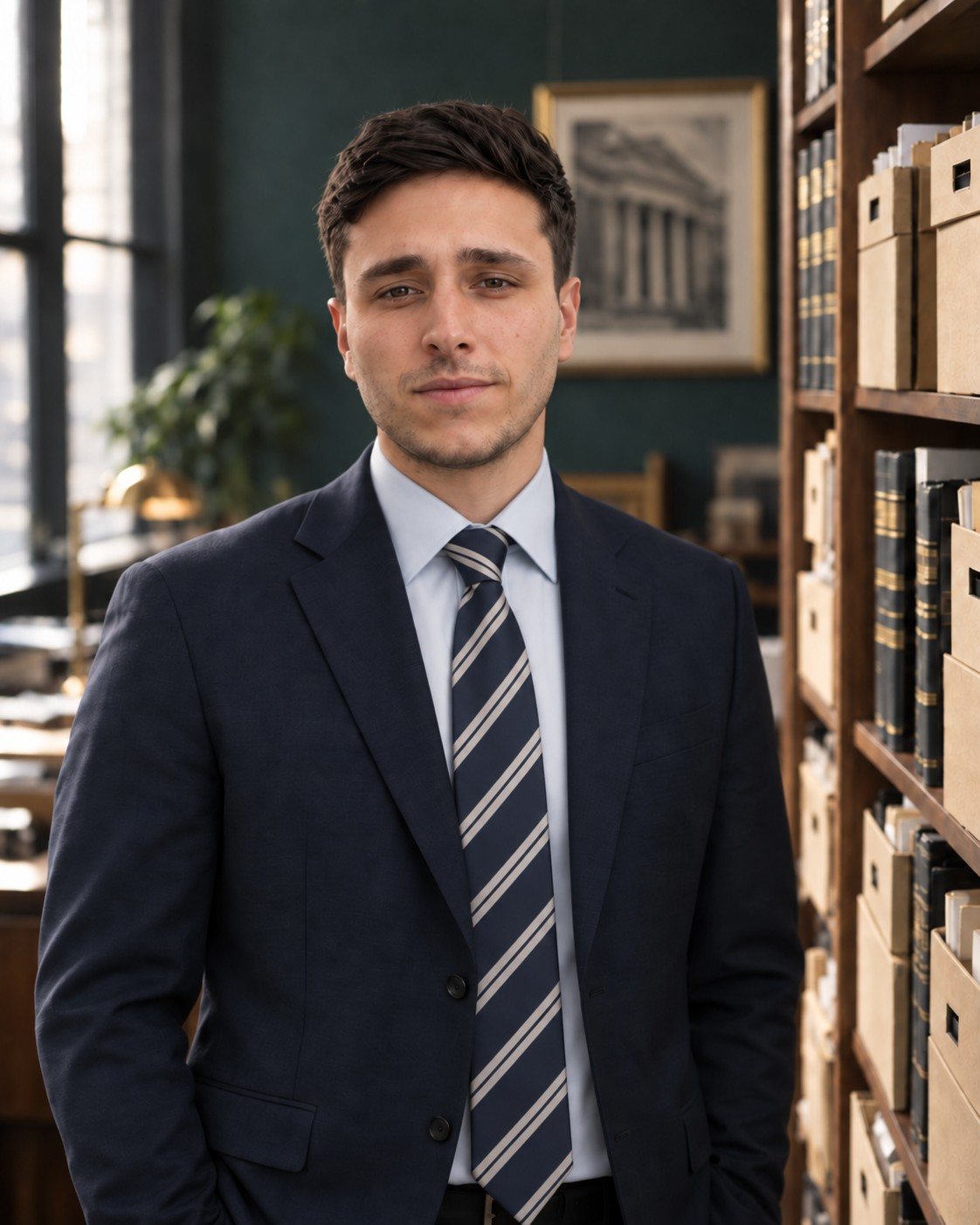
Talk to a lawyer privately. You decide how we reach you.
Tell us a safe number or email and a safe time, and whether we can leave a message. We never contact the person who hurt you, and we never call from a number or send anything that names this site. The first conversation is free and confidential, in English, Russian, Spanish or Uzbek, with a live interpreter for any other language.