
VAWA for same-sex couples
The VAWA self-petition is written for survivors of any gender, and the elements are the same for a same-sex couple as for any other. If your citizen or permanent resident spouse abused you, you can file on your own, without their knowledge or signature.
Current as of October 2026. We re-check this page every quarter and after any change in the law.
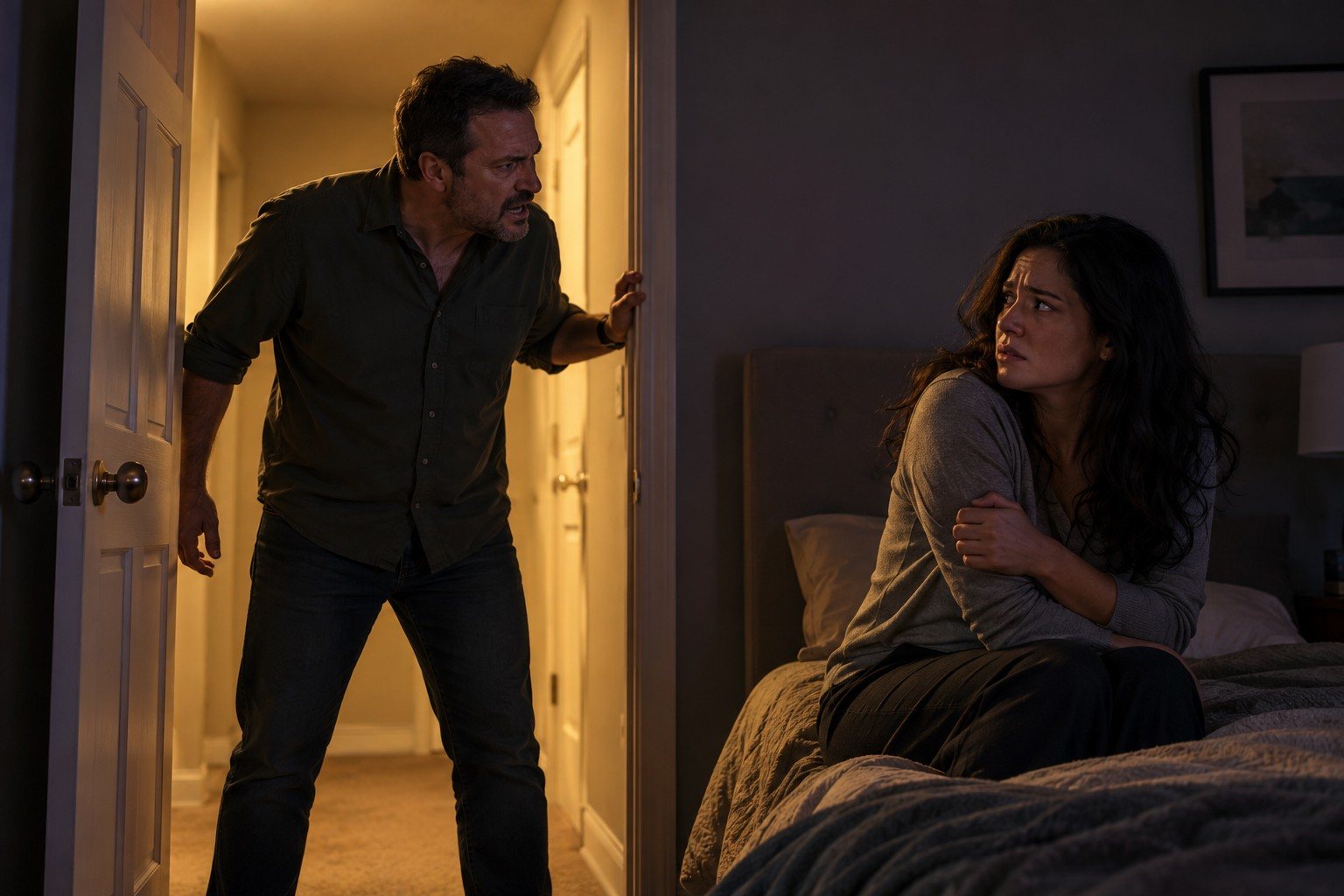
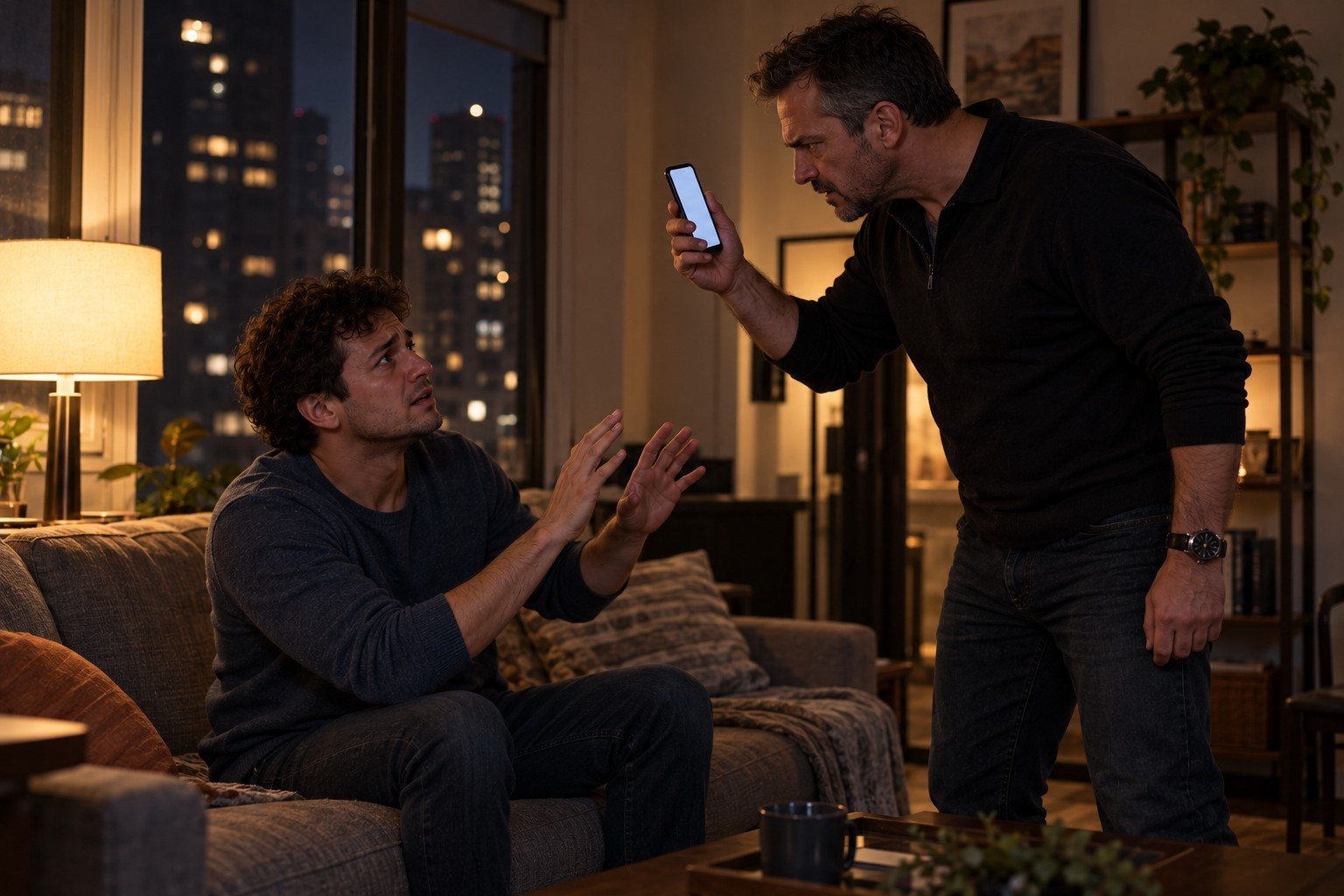
Abuse happens in every kind of relationship. Survivors in same-sex marriages are often told, sometimes by the abuser, that VAWA is not for them. It is. The self-petition provisions in INA 204(a)(1) are written in gender-neutral terms, and the same elements apply to every spouse.
What you need to show

For a spouse of a U.S. citizen (INA 204(a)(1)(A)(iii)) or of a permanent resident (INA 204(a)(1)(B)(ii)), under 8 C.F.R. 204.2(c)(1)(i):
- a qualifying marriage entered in good faith;
- that you, or your child, were battered or subjected to extreme cruelty by your spouse during the marriage;
- that you lived with your spouse during the marriage, with no minimum period (USCIS Policy Manual Vol. 3, Part D, ch. 2);
- good moral character; and
- eligibility for the immediate-relative or F2A classification.
Whether a particular marriage is a qualifying one can depend on where and when it took place. We review that with you. We do not summarize those rules here until we have confirmed them against the primary source.
A former spouse may file within 2 years after the marriage ended, if the end of the marriage is connected to the abuse (INA 204(a)(1)(A)(iii)(II)(aa)(CC)(ccc); 204(a)(1)(B)(ii)(II)(aa)(CC)(bbb)). See the two-year rule.
Abuse that is specific to your situation

Under 8 C.F.R. 204.2(c)(1)(vi), battery or extreme cruelty includes psychological abuse, threats, and acts that are part of an overall pattern. Some forms of control are aimed at what makes a same-sex survivor more exposed: threats to reveal private facts about you to family, an employer or a community, or to people in your home country; using isolation from a community you depend on; or telling you that no one will believe you, or that the law does not cover you.
These are described in your declaration like any other part of the pattern: what was said or done, when, and the effect on you. See abuse without violence.
Under INA 204(a)(1)(J), USCIS must consider any credible evidence. Statements from friends and community members who knew you as a couple are evidence, even if your families never recognized the relationship.
If VAWA does not fit
- Never married. The U visa covers domestic violence as a qualifying crime. The abuser need not be a citizen or permanent resident, and the parties need not be married (INA 101(a)(15)(U)(iii)). See the U visa.
- A conditional green card through the marriage. The battered-spouse waiver of the joint I-751 filing may fit (INA 216(c)(4)(C)). See the I-751 waiver.
- In immigration court. See VAWA in immigration court.
Under 8 U.S.C. 1367(a)(2), the government may not disclose information about your petition to anyone, with limited exceptions. That includes the abuser, and it includes facts about your relationship. See confidentiality.
Your safety
A safety plan is made with a domestic violence advocate, and many advocates work with LGBTQ survivors. If you are in danger now, call 911.
Read next: men and VAWA, abuse without violence, who qualifies, or the self-petition overview.
Common questions
Does VAWA apply if my spouse is the same gender as me?
Yes. The self-petition provisions in INA 204(a)(1) are written in gender-neutral terms. The elements are the same: a qualifying marriage entered in good faith, battery or extreme cruelty during the marriage, having lived together during the marriage, good moral character, and the abuser's citizenship or permanent residence.
My partner threatened to tell people about my sexuality or gender identity. Is that abuse?
Threats aimed at your safety, your family or your community can be part of extreme cruelty, especially as part of a pattern. Whether your account meets the standard is decided on the whole record, so the details in your declaration matter.
We were never married. Is there anything for me?
The spouse's self-petition requires a qualifying marriage, or a good-faith intended marriage. If you were not married, the U visa may fit: domestic violence is a qualifying crime, and the parties need not be married under INA 101(a)(15)(U)(iii).
Will the officer treat my case differently?
The law and the elements are the same. Officers are bound by the confidentiality rules in 8 U.S.C. 1367. If you have a concern about how something will be read, tell us and we will address it in how the record is presented.
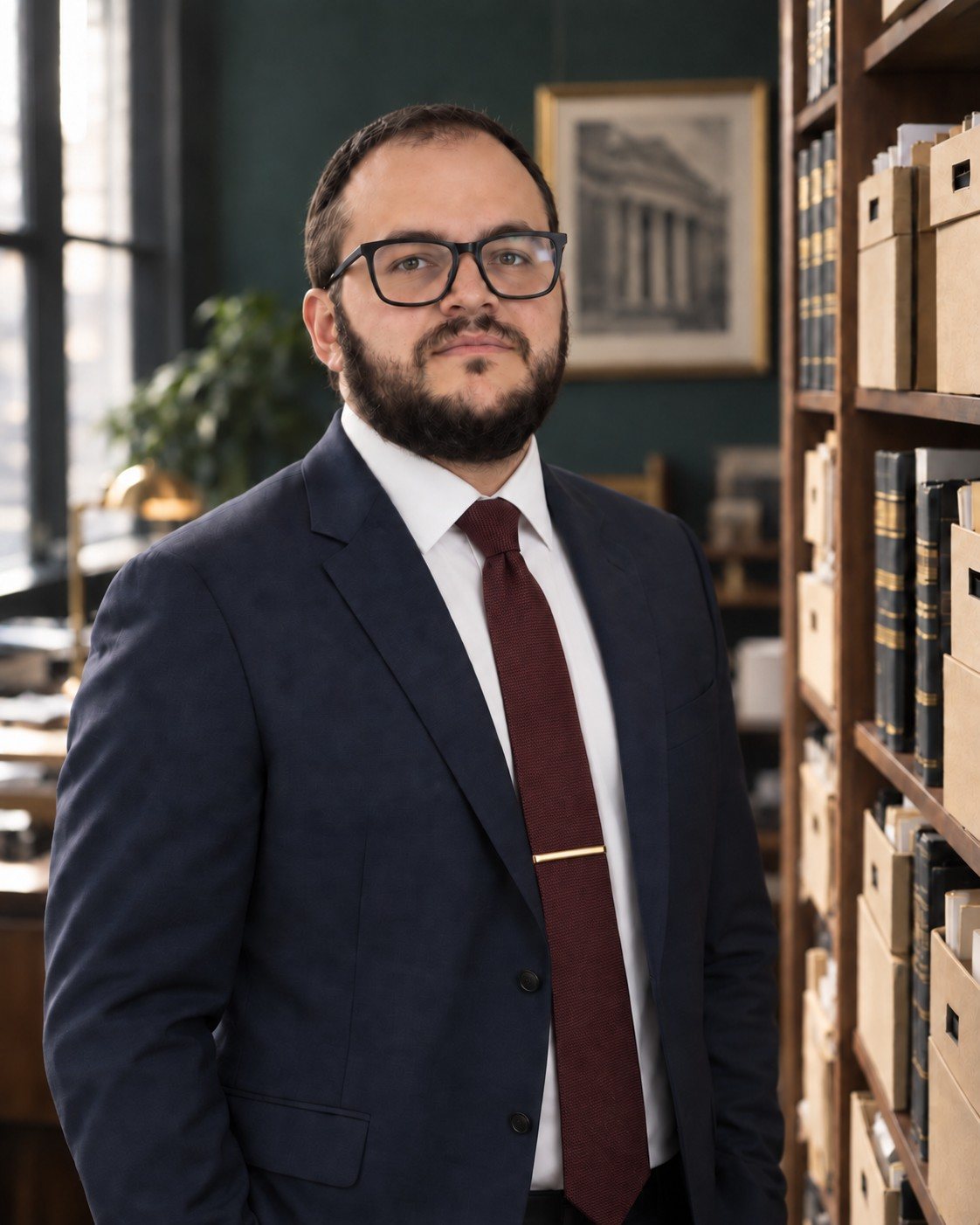
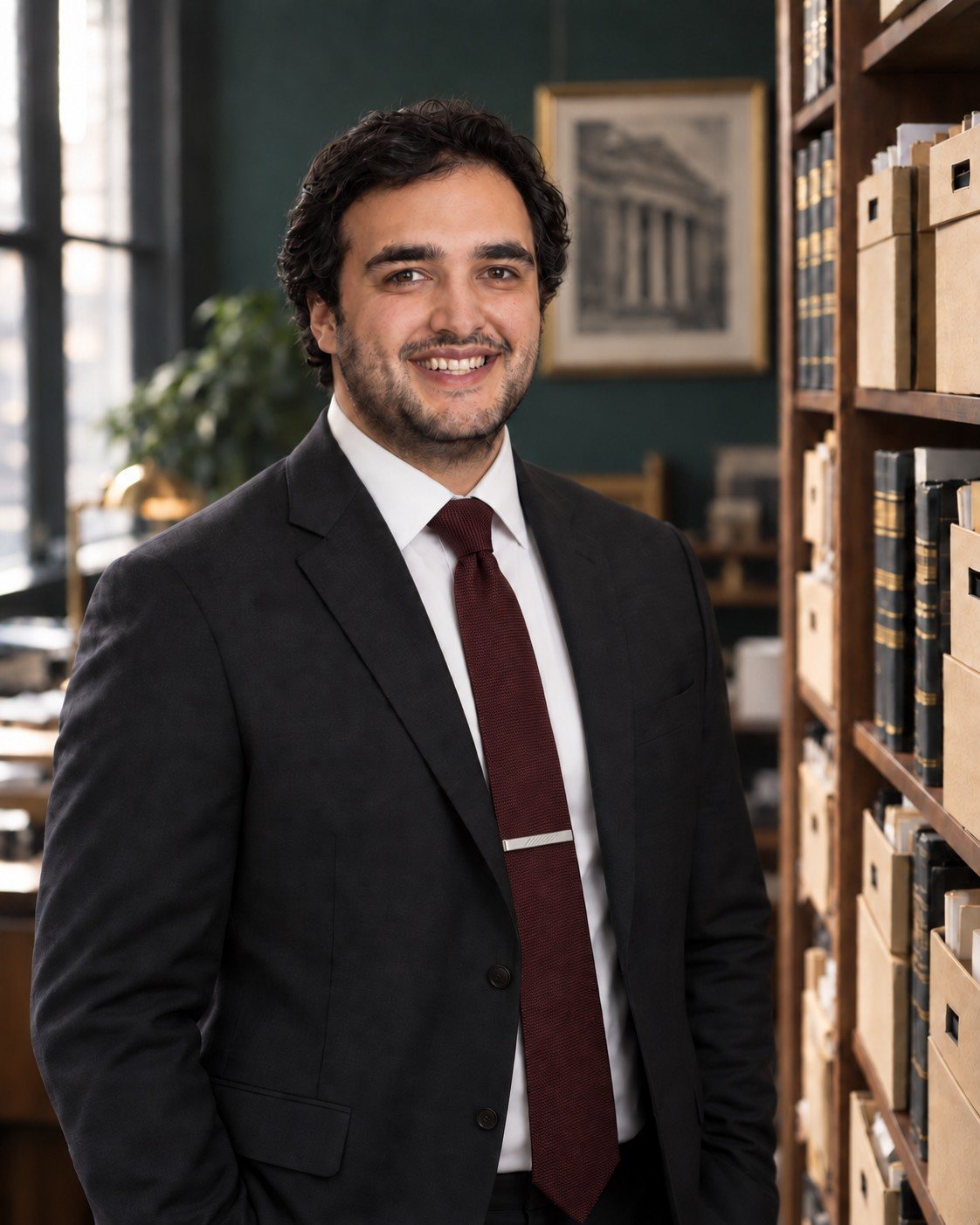
The lawyers who will handle your case
One of them calls you back, privately, on your terms.
Talk to a lawyer privately. You decide how we reach you.
Tell us a safe number or email and a safe time, and whether we can leave a message. We never contact the person who hurt you, and we never call from a number or send anything that names this site. The first conversation is free and confidential, in English, Russian, Spanish or Uzbek, with a live interpreter for any other language.