
Public charge and VAWA
VAWA self-petitioners are exempt from the public-charge ground of inadmissibility, and they do not file a Form I-864 affidavit of support. That exemption is written into the statute, INA 212(a)(4)(E)(i) and (C)(i), so changes to public-charge rules do not take it away.
Current as of October 2026. We re-check this page every quarter and after any change in the law.

Many survivors stay away from food assistance, medical coverage or housing help because they were told it would cost them the green card. For a VAWA self-petitioner, that is not how the law works. This page explains the exemption, the end of the sponsor requirement, and the limits of both. It is part of the guide to your green card after VAWA.
The exemption

INA 212(a)(4) is the public-charge ground of inadmissibility. For a VAWA self-petitioner it is not a question at all: INA 212(a)(4)(E)(i) exempts VAWA self-petitioners from the ground.
No affidavit of support

Form I-864 is the affidavit of support, the form a sponsor signs. For a survivor, needing a sponsor would mean asking the abuser for a signature and tax returns. The law does not require it. Under INA 212(a)(4)(C)(i), a VAWA self-petitioner does not need a Form I-864.
| Question | VAWA self-petitioner | Authority |
|---|---|---|
| Is the public-charge ground applied? | No, exempt | INA 212(a)(4)(E)(i) |
| Is Form I-864 required? | No | INA 212(a)(4)(C)(i) |
| Does the abuser sign anything? | No | INA 204(a)(1)(A)(iii), (B)(ii), the self-petition |
Rule changes do not reach you

Public-charge rules change from time to time, and the news coverage rarely mentions VAWA. Because the exemption is written into the statute, a change to the public-charge rules does not take it away. The September 18, 2026 public-charge change, described on our family immigration site, does not reach VAWA self-petitioners.
If you are applying for a green card in some other way, for example through a new marriage or an employer, the exemption on this page does not apply to that application. Ask us before you choose a route.
What the exemption does not do
- It does not make you eligible for any benefit. Eligibility for each program is set by that program. A prima facie determination can make a self-petitioning spouse or child a "qualified alien" for certain public benefits, if the abuse happened in the United States, the benefits agency finds a substantial connection between the abuse and the need for benefits, and the abuser no longer lives in the same household (8 U.S.C. 1641(c); 8 C.F.R. 204.2(c)(6)(i)). Parents are not covered, and no prima facie notice is issued for a petition filed from abroad. See public benefits.
- It does not cover other grounds of inadmissibility. Criminal, fraud and immigration-history grounds are separate. Some have VAWA waivers; see waivers for VAWA self-petitioners.
- It does not cover a different kind of case. The U visa, the T visa and the battered-spouse I-751 waiver have their own rules. See other paths.
What we still ask about
Even without a public-charge test, we ask about income, work and benefits at the consultation. Not because they count against you, but because they shape the rest of the case: whether you need a work permit right away, whether a fee question needs an answer, and how to keep notices away from the abuser. As of October 2026, VAWA self-petitioners pay no government filing fee for the I-485 or I-765 related to the benefit (8 C.F.R. 106.3(b)(6)), and the USCIS filing fee page is the authority.
If you were arrested or charged at any point, including on the abuser's complaint, talk to your criminal lawyer before you write anything down, and read arrested or charged.
Read next: public benefits, entry without inspection, waivers, or your green card after VAWA.
Common questions
I read that the public-charge rules changed in 2026. Does that affect me?
Not as a VAWA self-petitioner. The exemption is in the statute, INA 212(a)(4)(E)(i), and the September 18, 2026 public-charge change described on our family immigration site does not reach VAWA self-petitioners. If you are applying for a green card on a different basis, the answer may differ, and we review it with you.
Do I need a sponsor or a joint sponsor?
No. Under INA 212(a)(4)(C)(i), a VAWA self-petitioner does not need a Form I-864 affidavit of support. That means no sponsor, no joint sponsor, and no tax returns from the abuser. You do not need to ask the abuser for anything.
Can I use food assistance or medical coverage while my case is pending?
Benefits you lawfully qualify for do not count against your green card under the public-charge ground, because you are exempt from it. Whether you qualify for a given program is a separate question set by that program. A prima facie determination on your self-petition can make a spouse or child a qualified alien for certain public benefits under 8 U.S.C. 1641(c).
Does the exemption cover my children?
We review that case by case. Our verified ledger records the exemption for VAWA self-petitioners; how it applies to each child on your petition depends on how the child is included and is confirmed at the consultation.
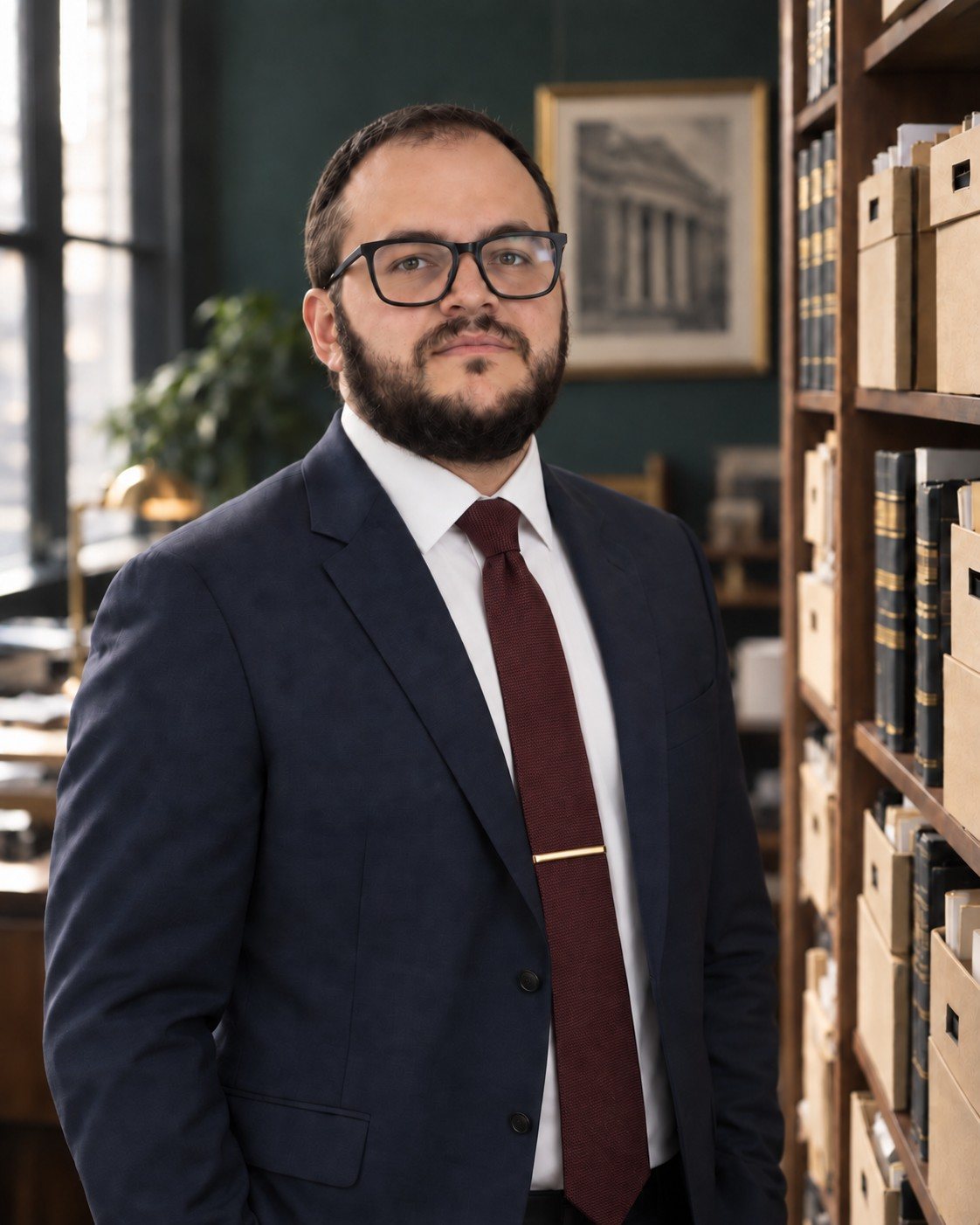
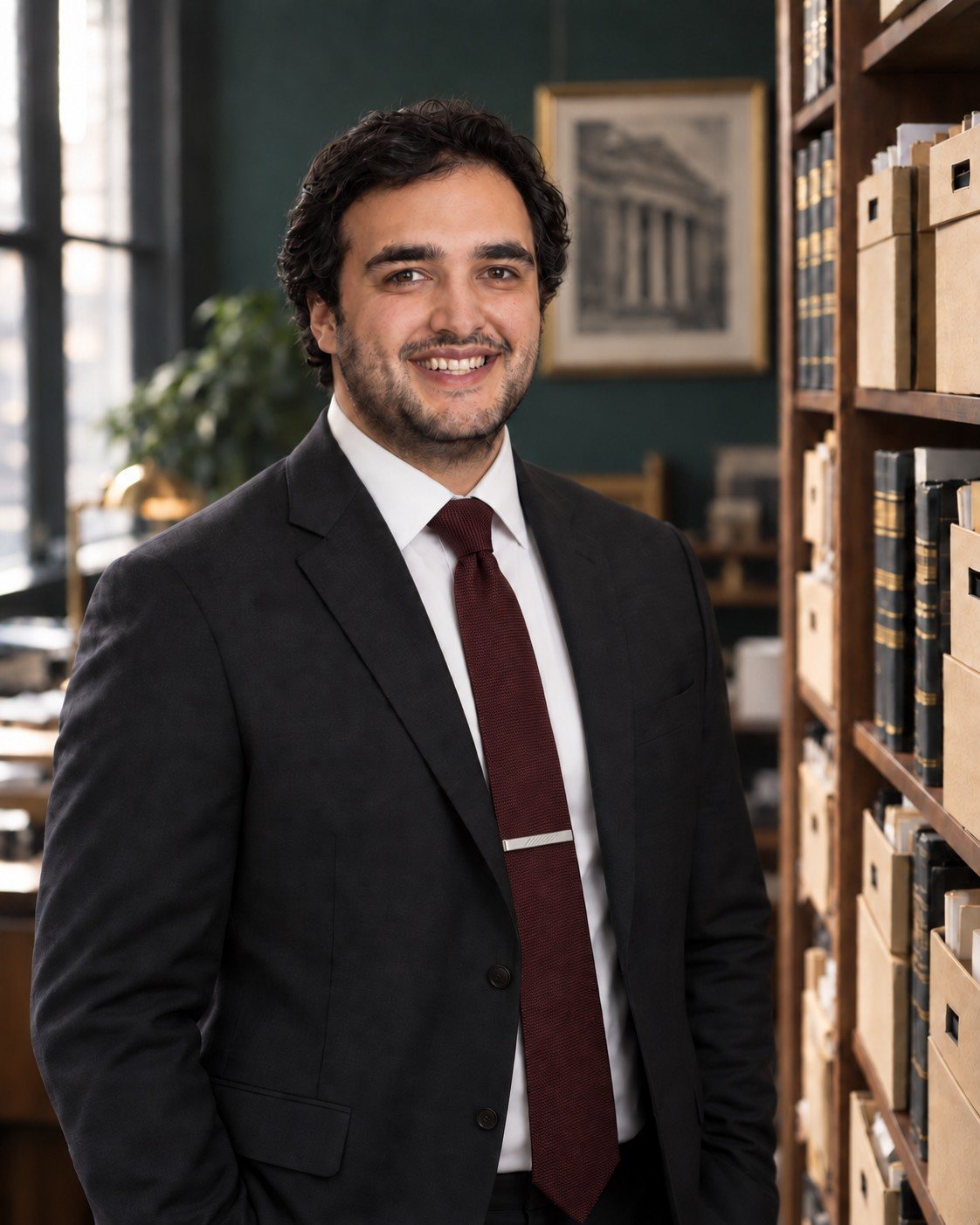
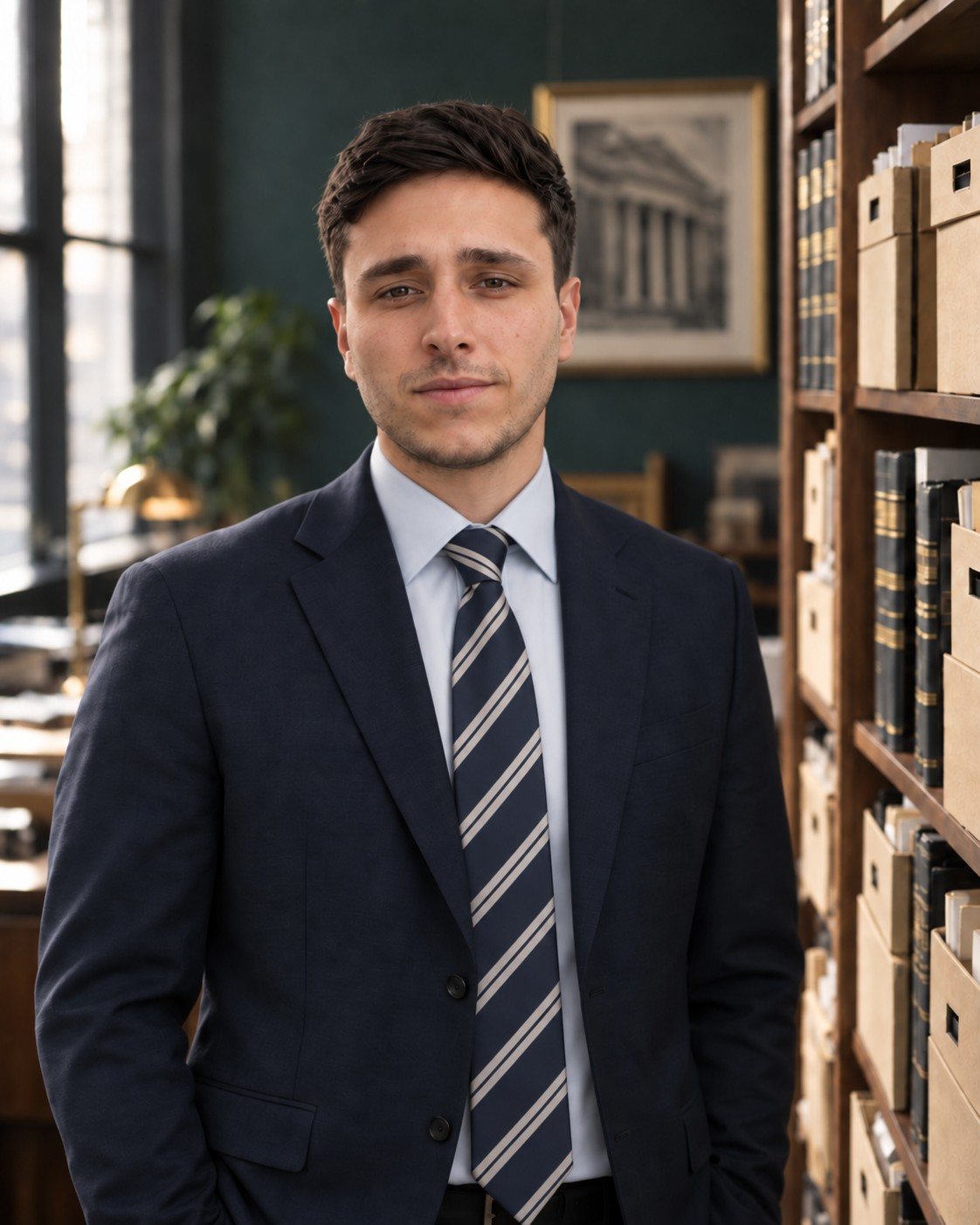
The lawyers who will handle your case
One of them calls you back, privately, on your terms.
Talk to a lawyer privately. You decide how we reach you.
Tell us a safe number or email and a safe time, and whether we can leave a message. We never contact the person who hurt you, and we never call from a number or send anything that names this site. The first conversation is free and confidential, in English, Russian, Spanish or Uzbek, with a live interpreter for any other language.