
The extreme hardship myth
You may read that a VAWA self-petitioner must prove extreme hardship. Congress removed that element in 2000. The old text is still printed in the regulation, which is where the myth comes from. Hardship does still matter in immigration court, which is a different case.
Current as of October 2026. We re-check this page every quarter and after any change in the law.
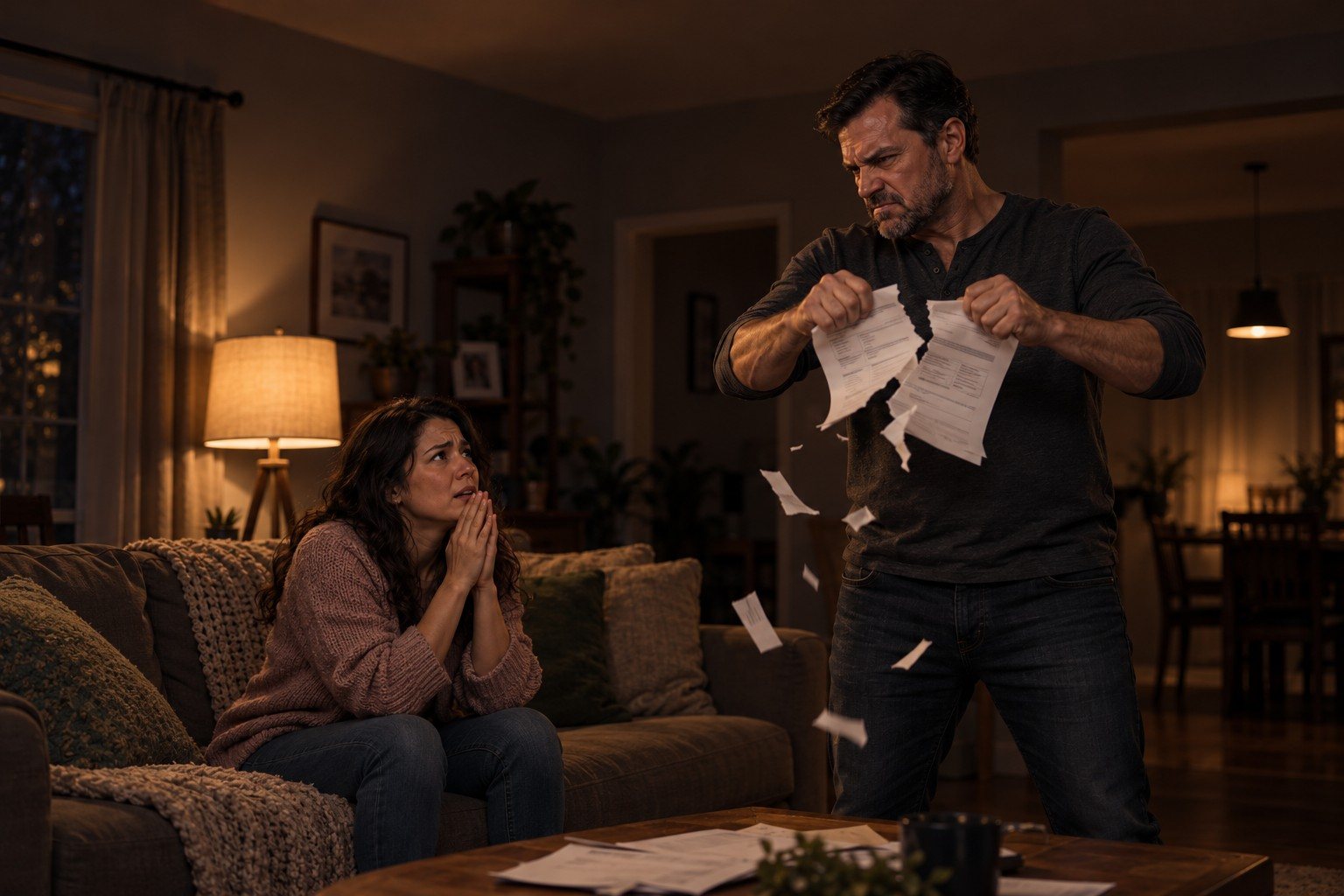
This post is dated October 26, 2026. It is about a change Congress made in 2000, and a regulation that has not caught up in the 26 years since. If someone has told you that your VAWA self-petition will fail unless you prove what will happen to you if you are sent back, read this first.
What the statute requires today

For a spouse, the self-petition elements in INA 204(a)(1)(A)(iii) and (B)(ii) are:
- a qualifying marriage, or intended marriage, entered in good faith;
- battery or extreme cruelty by the spouse during the marriage, against you or your child;
- having lived with the abuser during the marriage, with no minimum period;
- good moral character; and
- eligibility for immediate-relative or F2A classification.
That is the list in the statute and in the USCIS Policy Manual, Volume 3, Part D, chapter 2, as revised by PA-2025-33 on December 22, 2025. There is no hardship element on it.
Where the regulation and the statute disagree
Before 2000, a self-petitioner had to show that removal would result in extreme hardship. The Victims of Trafficking and Violence Protection Act of 2000, Pub. L. 106-386, div. B, title V, sec. 1503(b)(1)(A), amended INA 204(a)(1)(A)(iii) and replaced that text. The extreme hardship element is gone from the statute.
The regulation was never updated. As of October 22, 2026, the eCFR still prints extreme hardship at 8 C.F.R. 204.2(c)(1)(i)(G) as an element, and still describes extreme hardship evidence at 204.2(c)(1)(viii) and 204.2(c)(2)(vi). The Policy Manual says the 2000 law supersedes that part of the regulation (Volume 3, Part D, chapter 2, footnote 5, and the VAWA 2000 table in chapter 1). This site never lists extreme hardship as a self-petition requirement.
It is not the only stale line

The same regulation, at 8 C.F.R. 204.2(c)(1)(i), still lists two other things the 2000 law removed: residence in the United States, and being married at the time of filing. That is why a former spouse can still file within two years of a divorce connected to the abuse, under INA 204(a)(1)(A)(iii)(II)(aa)(CC)(ccc). See our post on the two-year window.
This is why our ledger has a rule: no VAWA requirement is published from 8 C.F.R. 204.2 alone. We check the statute and the Policy Manual first.
Where hardship does still matter
Immigration court is a different case with different law.
- VAWA cancellation of removal. Under INA 240A(b)(2), an applicant before an immigration judge must show battery or extreme cruelty by a U.S. citizen or permanent resident spouse or parent, 3 years of continuous physical presence, good moral character, that certain bars do not apply, and extreme hardship to the applicant, a child or a parent. Here it is a real element. See VAWA cancellation.
- The VAWA motion to reopen. It must be filed within 1 year of the final order, but under INA 240(c)(7)(C)(iv) that limit can be waived for extraordinary circumstances or extreme hardship to the person's child. See the VAWA motion to reopen.
If you are in court, both may apply. If you are filing an I-360 with USCIS, neither element is part of the petition.
How the myth spreads

Older guides, forms of advice passed between friends, and even some websites were written from the regulation, not the statute. The regulation is easy to find and reads like a checklist. The 2000 amendment sits in the statute and the Policy Manual. If a source lists hardship among the self-petition elements, check its date and its citation.
What to put your effort into instead
Put your evidence where the statute asks for it: the marriage, the abuse, the shared home during the marriage and your good moral character. USCIS must consider any credible evidence under INA 204(a)(1)(J). See the evidence checklist.
For a private consultation, call (718) 484-7510.
Read next: the VAWA self-petition, who qualifies, or changes in the law.
Common questions
Do I have to prove hardship for my VAWA I-360?
No. Congress removed that element from the self-petition in 2000, in Pub. L. 106-386, sec. 1503(b)(1)(A). The USCIS Policy Manual, Volume 3, Part D, says the 2000 law supersedes the regulation on that point. Your evidence should go to the elements the statute lists.
Then why does the regulation still say it?
8 C.F.R. 204.2 was written before the 2000 amendment and was never updated on this point. The eCFR, as of October 22, 2026, still prints the old text. The statute controls.
Is hardship ever required in a VAWA case?
Yes, in VAWA cancellation of removal before an immigration judge, under INA 240A(b)(2). That is a different form of relief from the self-petition, with its own elements.
The lawyers who will handle your case
One of them calls you back, privately, on your terms.

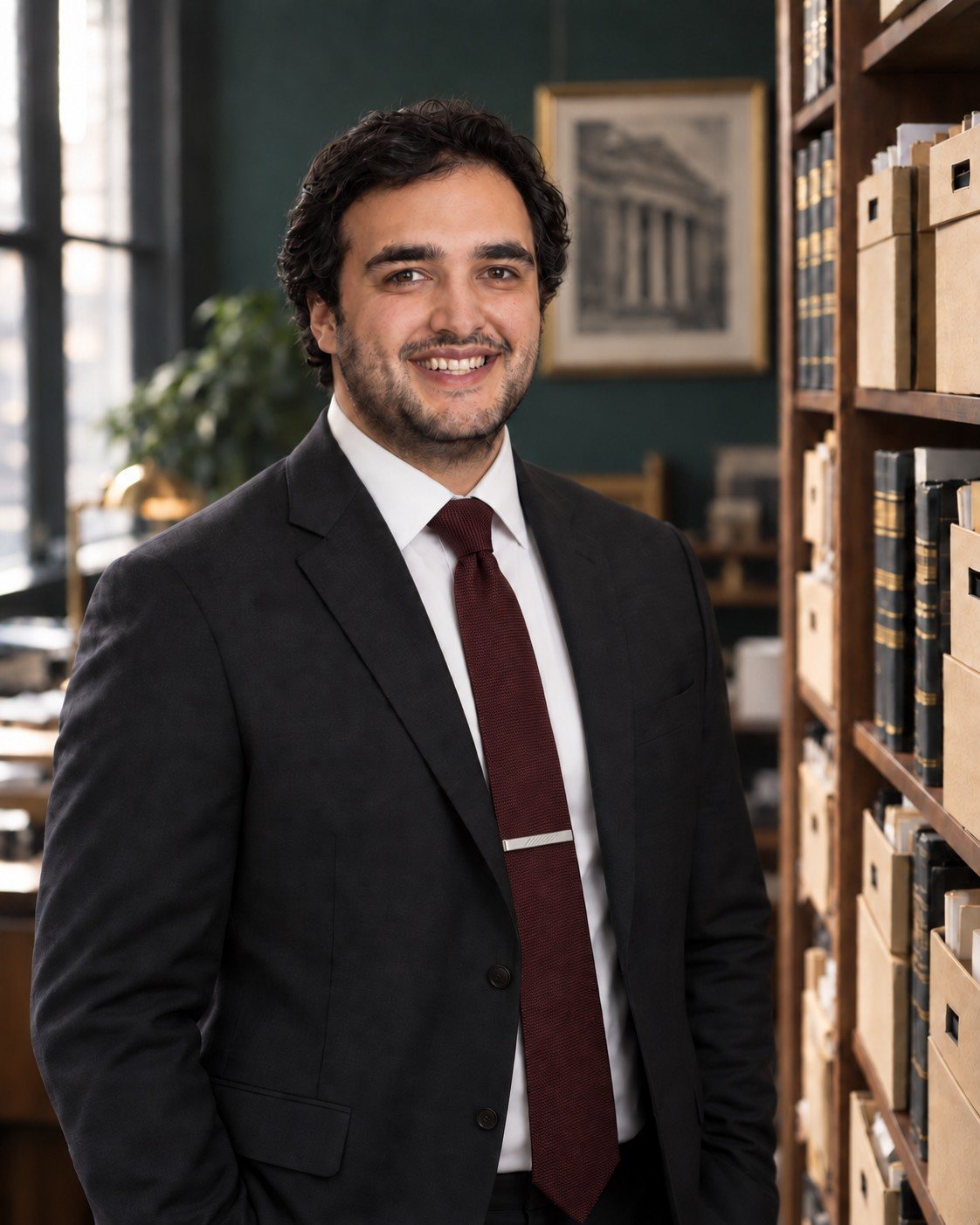
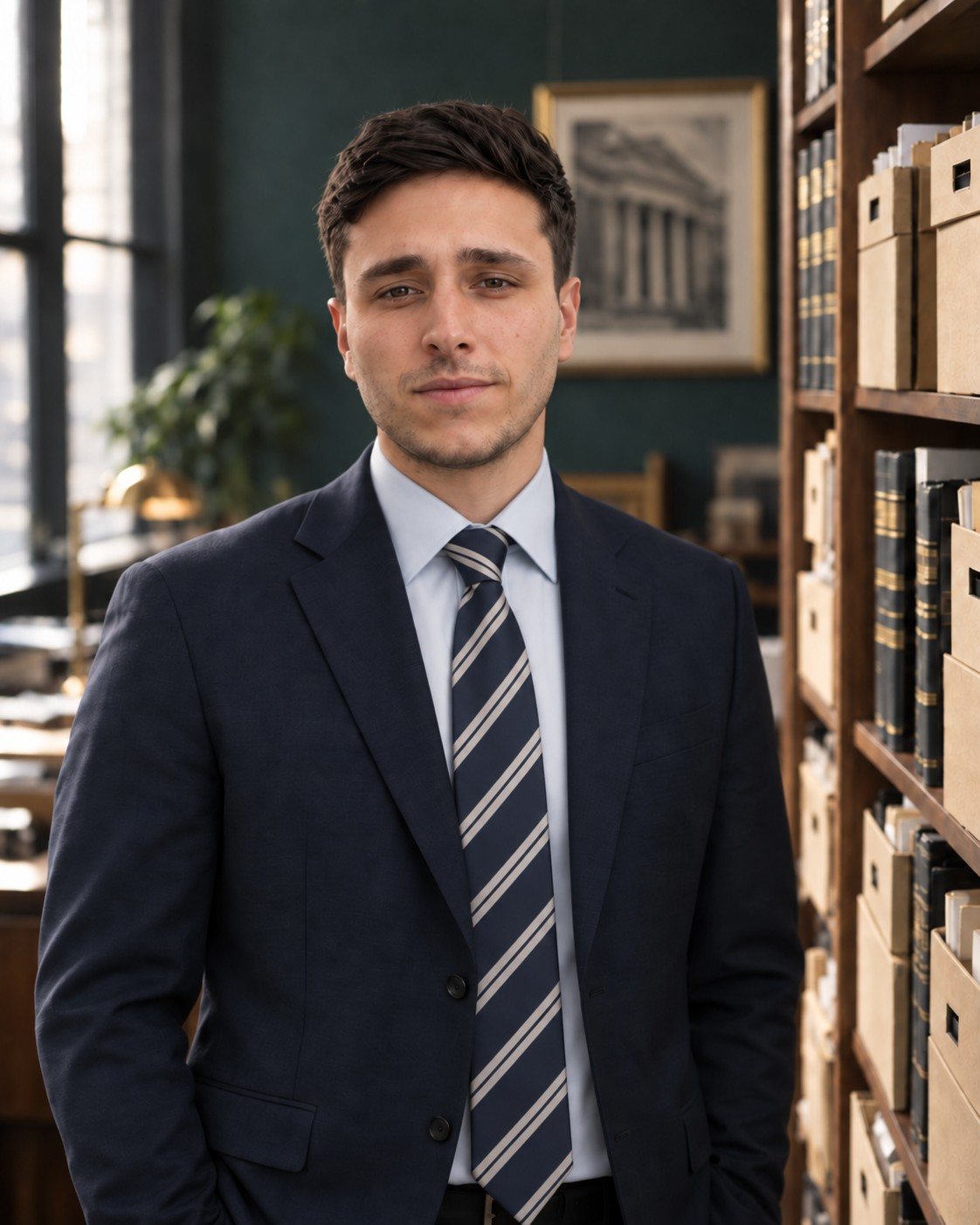
Talk to a lawyer privately. You decide how we reach you.
Tell us a safe number or email and a safe time, and whether we can leave a message. We never contact the person who hurt you, and we never call from a number or send anything that names this site. The first conversation is free and confidential, in English, Russian, Spanish or Uzbek, with a live interpreter for any other language.