
Dual arrest and VAWA: talk to the criminal lawyer first
Sometimes police arrest both people, or the abuser files a complaint against you first. If that happened, the criminal case comes first: talk to your criminal defense lawyer before you write a declaration, sign anything or plead. The immigration law has protections for survivors, but they have conditions.
Current as of October 2026. We re-check this page every quarter and after any change in the law.
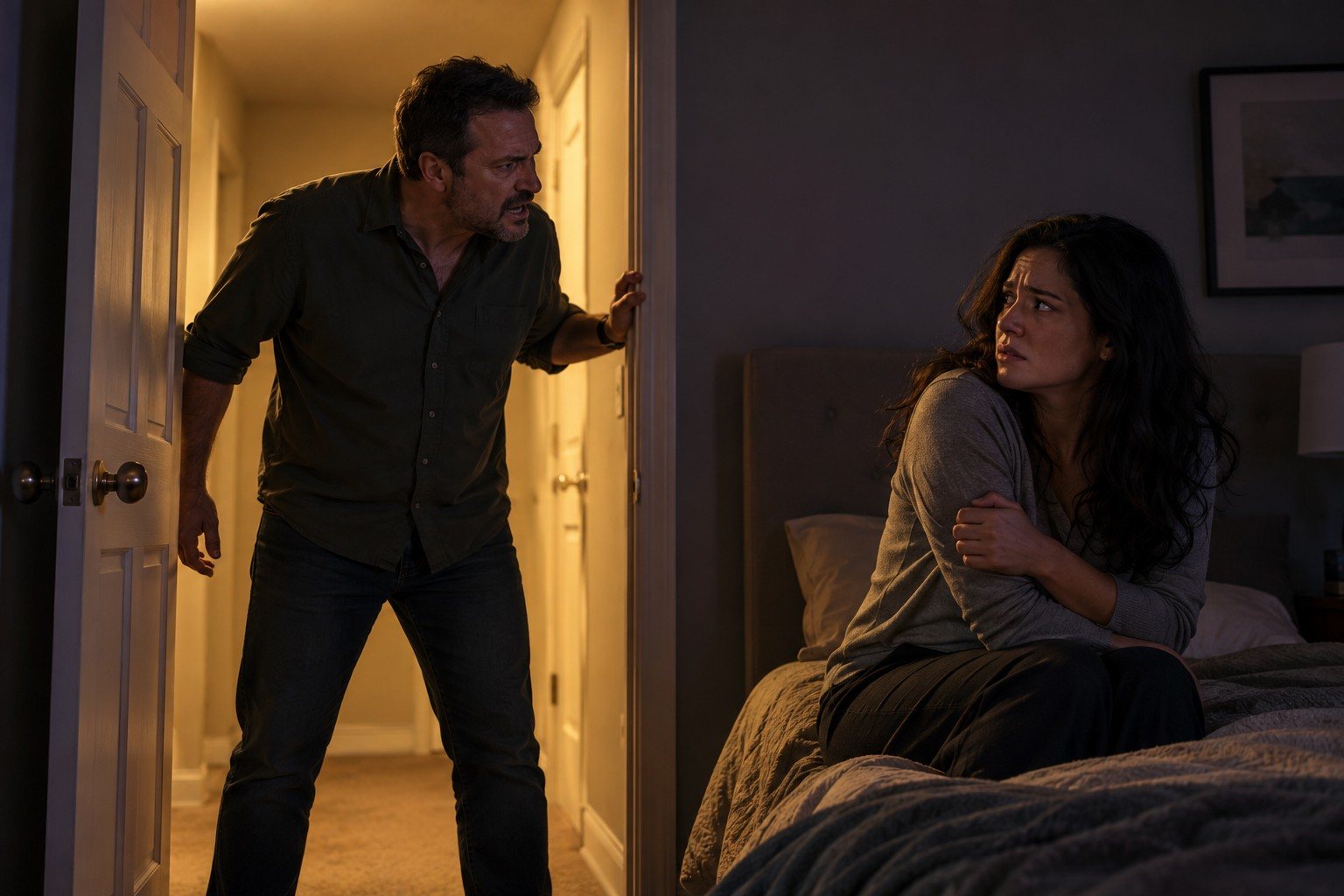
This post is dated October 26, 2026. It is for anyone who was arrested along with the abuser, or arrested because the abuser called the police first, or charged on a cross-complaint. These cases happen, and they put a survivor's immigration status at risk from two directions at once.
The first rule on this site for any arrest: talk to your criminal defense lawyer before you write anything down. That includes a VAWA declaration, a letter, a text to a friend about the night of the arrest, and any form. See arrested or charged.
Why the criminal case comes first

A plea, even to a small charge, can have immigration consequences that the criminal court does not explain. A sworn declaration in your VAWA case is evidence, and what it says about the arrest can matter in the criminal case. Your criminal lawyer should speak with an immigration lawyer before any plea is entered. Our sibling site explains what a plea can do to status:
Good moral character in the self-petition
A VAWA self-petitioner must show good moral character. Under INA 204(a)(1)(C), read with INA 101(f), a self-petitioner is not barred by an act or conviction that is waivable for purposes of the petition and is connected to the abuse.
What "connected" means has been litigated. In Da Silva v. Attorney General, 948 F.3d 629 (3d Cir. 2020), not our client, the Third Circuit read the parallel good-moral-character exception in VAWA cancellation and held that "connected to" means "having a causal or logical relationship." That case was in immigration court, not a self-petition, and how far it reaches is a question for your lawyer.
USCIS asks for police clearances. Under 8 C.F.R. 204.2(c)(2)(v), evidence of good moral character is your affidavit plus police clearances for each place you lived for six months or more in the three years before filing. An arrest may appear there, so plan for it with your lawyer instead of hoping it will not.
The 237(a)(7) waiver in immigration court

INA 237(a)(7) lets an immigration judge waive deportability for a crime of domestic violence or stalking under 237(a)(2)(E)(i), or a protection-order violation under 237(a)(2)(E)(ii). The conditions are in the statute:
- You were battered or subjected to extreme cruelty.
- You are not, and were not, the primary perpetrator in the relationship.
- And the judge finds one of these: you acted in self-defense; or you violated a protection order that was meant to protect you; or you committed a crime that caused no serious bodily injury and was connected to the abuse.
The judge is not limited to the criminal court record, and any credible evidence is considered, under INA 237(a)(7)(B). See the domestic violence waiver.
The abuser's version of events

Under 8 U.S.C. 1367(a)(1), the agencies may not make an adverse admissibility or deportability determination using information furnished solely by the abuser. That rule does not apply if you have been convicted of a crime listed in INA 237(a)(2). Under PA-2025-34 (December 22, 2025), USCIS does not consider available waivers when it applies that exception. A conviction therefore changes more than the criminal record. That is one more reason the plea decision comes before everything else.
Protective orders against you
Abusers sometimes seek a protective order against the survivor. Family court and protection-order cases are handled by family lawyers; our parent firm covers them at usherlegal.com. This post does not tell you to seek or oppose an order. It tells you that a violation can carry immigration consequences, and that 237(a)(7) may reach a violation of an order that was meant to protect you. See protective orders.
If you are in danger now, call 911. The National Domestic Violence Hotline is 1-800-799-7233, or text START to 88788. For the immigration side, after you have spoken with your criminal lawyer, call (718) 484-7510.
Read next: arrested or charged, the 237(a)(7) waiver, or good moral character.
Common questions
I was arrested after the abuser called the police. Can I still file for VAWA?
An arrest does not by itself end a VAWA case, but it can affect good moral character and deportability. Under INA 204(a)(1)(C), a self-petitioner is not barred by an act or conviction that is waivable for the petition and connected to the abuse. Talk to your criminal lawyer before you write anything down, and have them speak with an immigration lawyer before any plea.
What is the 237(a)(7) waiver?
Under INA 237(a)(7), an immigration judge may waive deportability for a crime of domestic violence or stalking, or a protection-order violation, for a person who was battered or subjected to extreme cruelty and was not the primary perpetrator in the relationship, if one of three conditions in the statute is met.
Should I write my VAWA declaration while the criminal case is open?
Not before your criminal lawyer has seen what you plan to say. A declaration is a sworn statement, and what it says about the night of the arrest can matter in the criminal case.
The lawyers who will handle your case
One of them calls you back, privately, on your terms.
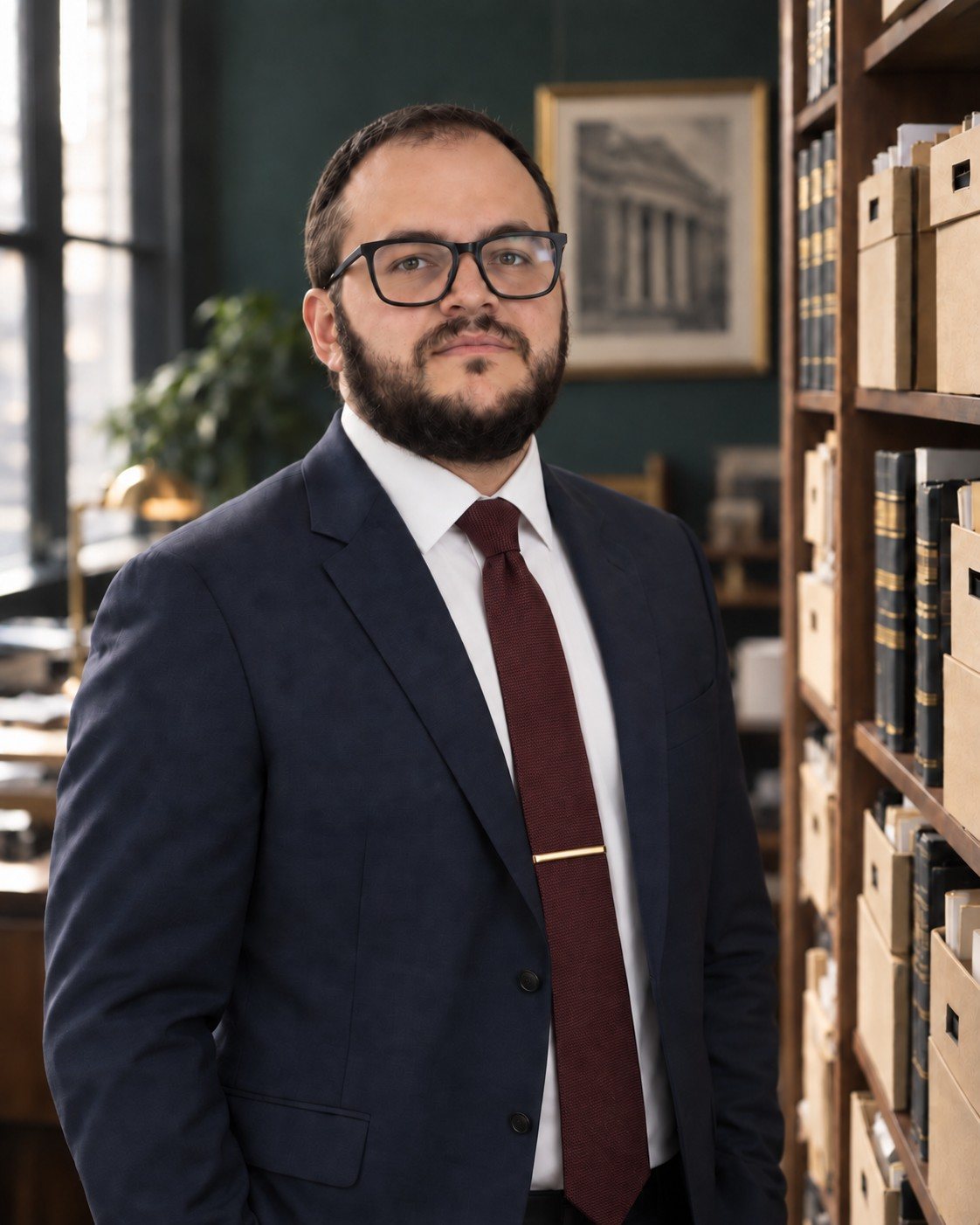
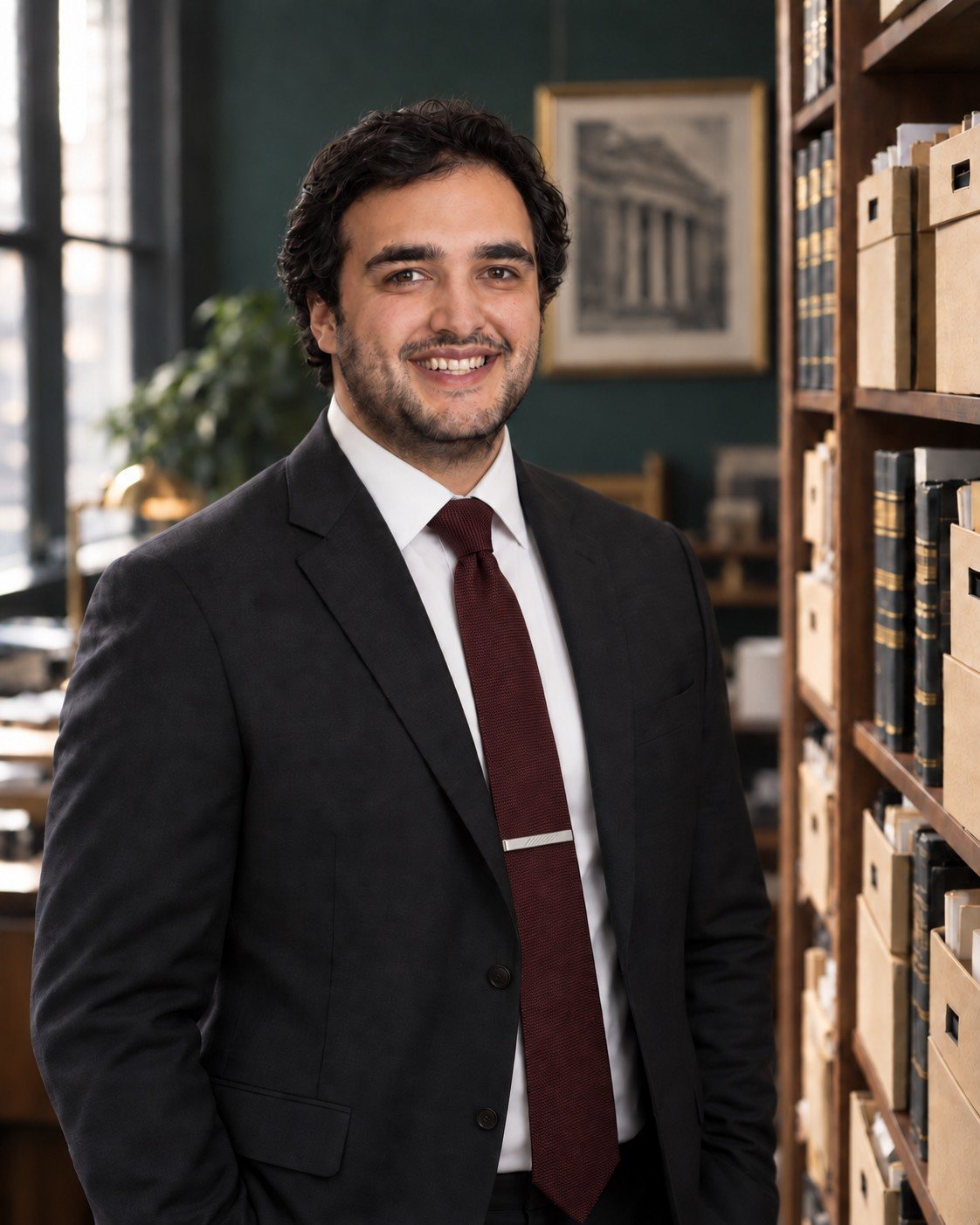
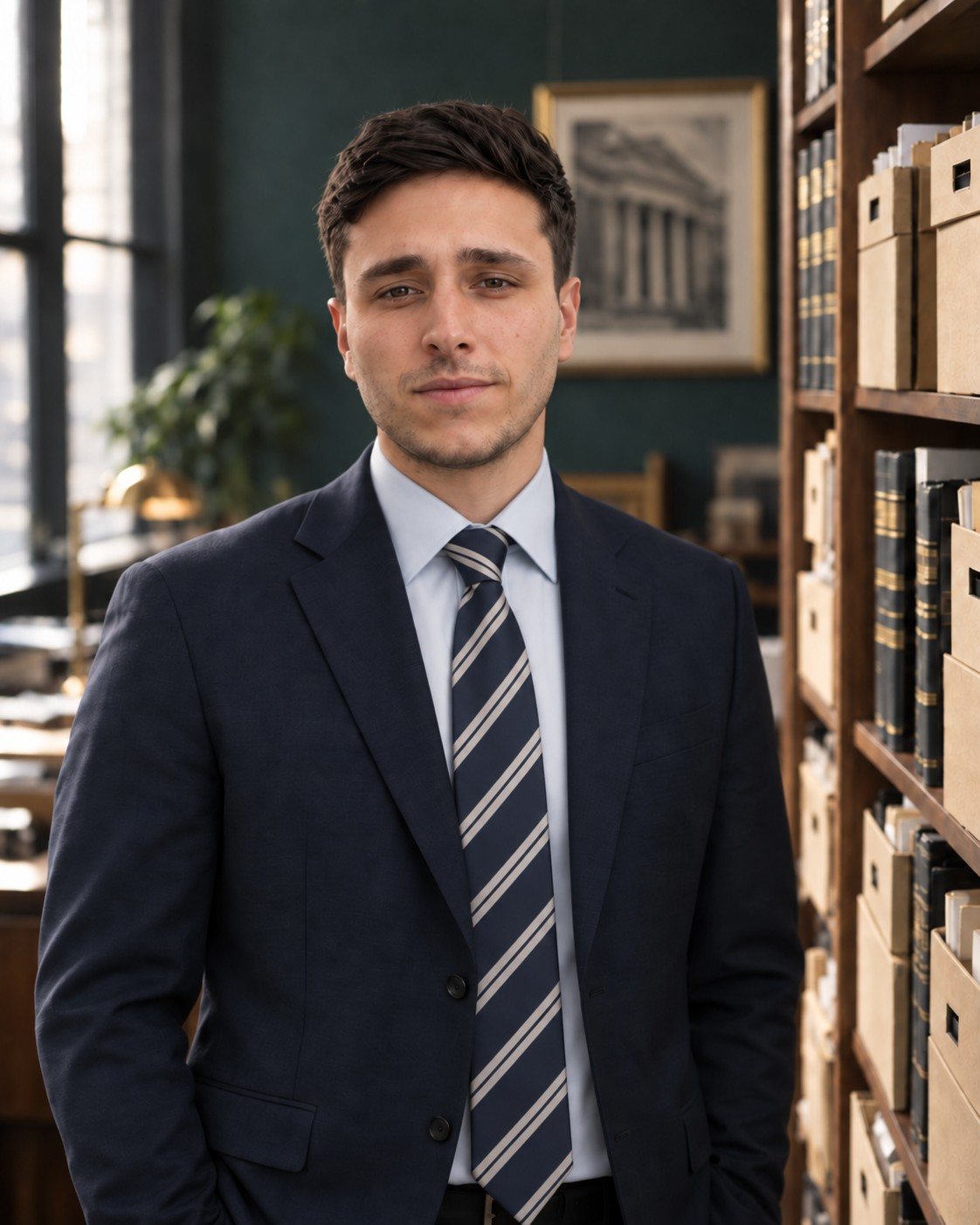
Talk to a lawyer privately. You decide how we reach you.
Tell us a safe number or email and a safe time, and whether we can leave a message. We never contact the person who hurt you, and we never call from a number or send anything that names this site. The first conversation is free and confidential, in English, Russian, Spanish or Uzbek, with a live interpreter for any other language.